Thrive Renewables, listed on the JP Jenkins share-matching platform, is a privately owned UK-based renewable energy company that has been funding, building and operating sustainable energy projects for more than 30 years. The company works with individual investors, developers, businesses and communities to support the UK’s clean energy transition.
Its portfolio spans onshore wind, solar, hydro, battery storage and geothermal, with a focus on projects that deliver measurable environmental impact. Thrive’s FY25 results reflect a more normalised UK power price environment, weak wind resource in the first quarter of 2025 and a project-specific impairment against a third-party construction loan. However, the underlying portfolio remained cash generative, while the company continued to progress its development pipeline.
We highlight five key reasons why Thrive Renewables represents a compelling investment case:
First, Thrive has an established operating platform in UK renewable energy. Since 1994, the company has helped fund and develop clean energy projects across the UK, building a portfolio diversified by technology, geography and ownership structure. This includes wholly owned assets, joint ventures, lending arrangements and community energy projects, reducing reliance on any single technology or project type.
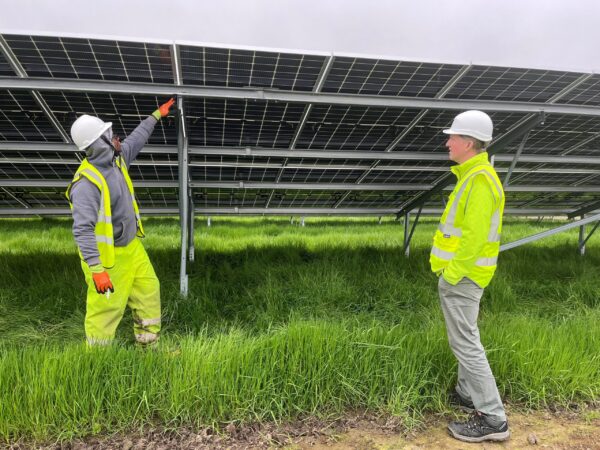
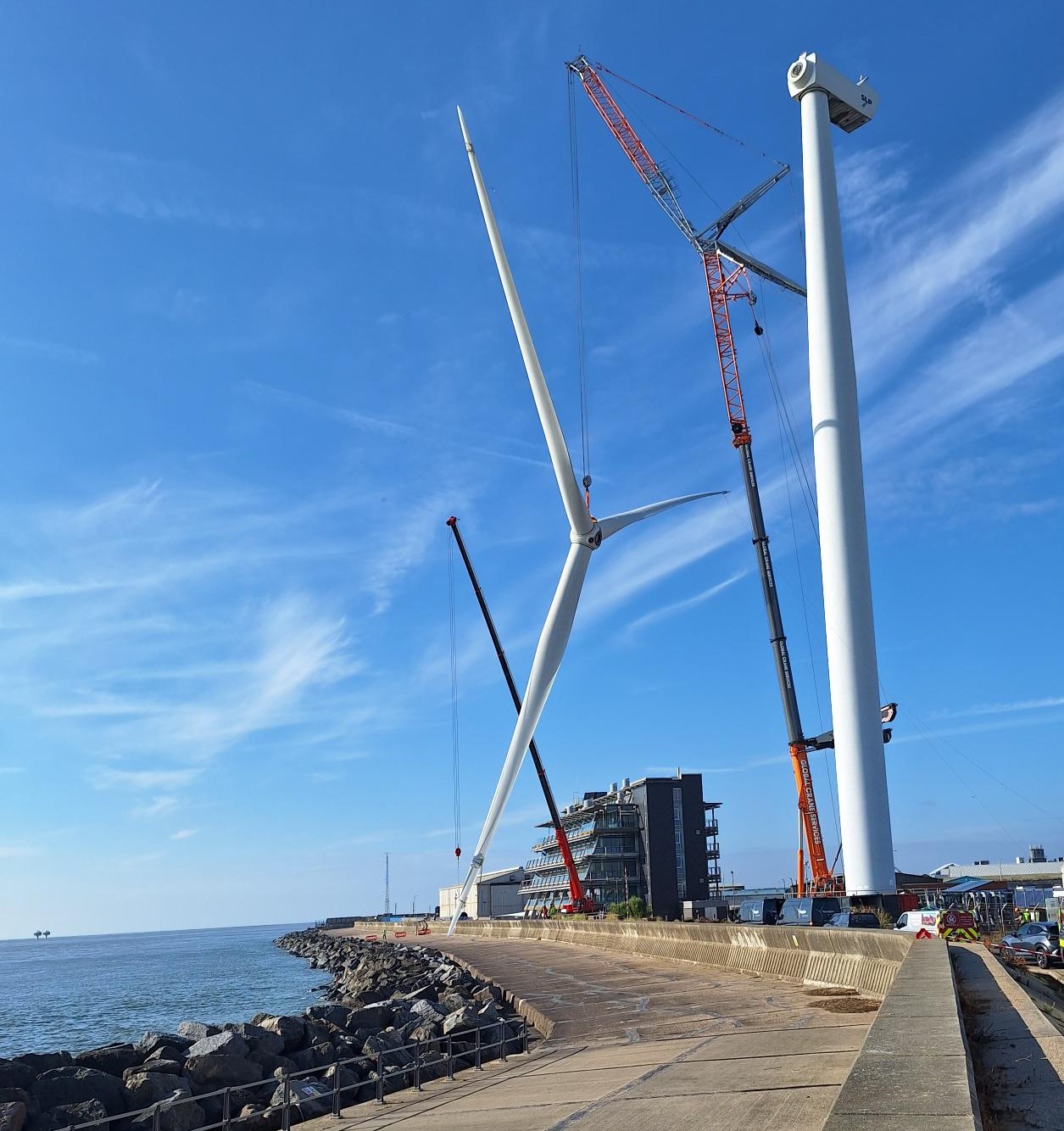
Second, the company is moving from pipeline development to delivery. Dunmow, a 10MW ground-mounted solar farm in Essex, is now operational. Whitelaw Brae, a 57MW onshore wind farm in the Scottish Borders and Thrive’s largest project to date, remains on track for completion by the end of 2026. Abergorki, a 12.6MW wind farm in South Wales, has secured a priority grid connection and a contract for difference, with generation scheduled for 2027. These projects support Thrive’s ambition to double portfolio generation capacity from its year-end 2022 baseline.
Third, Thrive’s diversification strategy is improving operational resilience. The company invests across wind, solar, hydro, storage and geothermal, while using a range of commercial structures, including power purchase agreements, contracts for difference, corporate power purchase agreements and direct-wire arrangements. This is important because renewable generation is exposed to weather conditions and power price movements. In 2025, Dunmow solar helped balance weaker wind conditions, while Thrive’s owned portfolio generated 122,890MWh across 16 operational projects, up 5% year-on-year.
Fourth, Thrive’s FY25 results show a business adjusting to lower electricity prices, while retaining underlying cash generation. FY25 revenue declined to £20.7m and statutory operating profit fell to £3.6m. The result was also affected by a £4.0m exceptional impairment, which management described as project-specific rather than reflective of operating portfolio trading. Excluding this item, operating profit before exceptional financial asset impairment was £7.6m. Cash generated from operations was £11.4m, and the board recommended an unchanged 12p dividend.
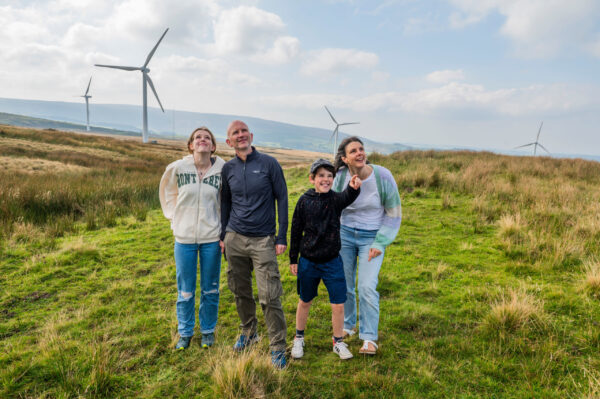
Fifth, Thrive has a differentiated community and impact-led funding model. The company has raised capital from a broad base of individual and institutional investors, while working directly with communities to support local ownership of renewable energy assets. In 2025, Thrive raised £2.5m through an equity fundraise, and after the year end, completed the major crowdfunded element of a bond offer, raising £7m. Its impact portfolio generated 134,673MWh of renewable electricity in 2025, enough to power more than 40,500 homes, with emission reductions of 64,343 tonnes of CO2 equivalent.
Thrive Renewables offers investors exposure to the continued build-out of UK renewable energy through an established platform, a diversified portfolio and a visible project pipeline. The latest results highlight lower power prices, weather variability and execution risk, but also show a business continuing to generate cash, invest in new capacity and deliver measurable environmental impact.
For investors seeking exposure to UK clean energy infrastructure, community-backed renewable development and long-term decarbonisation themes, Thrive Renewables represents an interesting opportunity.
If you would like to learn more about Thrive Renewables, please see our latest research.
Published 2 September 2026