Last close As at 05/08/2026
—
— 0.00 (0.00%)
Market capitalisation
—
Research: Healthcare
Silence Therapeutics
Written by
Silence Therapeutics |
Silence is golden |
Initiation of coverage |
Pharma & biotech |
25 July 2016 |
Share price performance
Business description
Next events
Analysts
Silence Therapeutics is a research client of Edison Investment Research Limited |
||||||||||||||||||||||||||||||||||||||||||||||||||||||
Silence Therapeutics is a leading RNA therapeutics development company, with proprietary RNA interference (RNAi) technology (AtuRNAi) and delivery systems (LipoPLEXes). RNAi can be harnessed to silence the expression of any disease-causing protein. The basic rationale is simple: find any gene in the genome that is causing problems and synthesise an RNA molecule to shut down or upregulate the gene as necessary. Silence has an extensive genetic toolkit that addresses the technical challenges of delivery and therefore could offer ‘multiple shots at goal’, ie a broad range of potential indications. Silence is well funded following a fund-raising of £38.9m in 2015 to progress its early-stage technology.
Year |
Revenue (£m) |
PBT* |
EPS* |
DPS |
P/E |
Yield |
12/14 |
0.0 |
(11.7) |
(21.51) |
0.0 |
N/A |
N/A |
12/15 |
0.0 |
(9.4) |
(10.38) |
0.0 |
N/A |
N/A |
12/16e |
0.0 |
(11.1) |
(13.95) |
0.0 |
N/A |
N/A |
12/17e |
0.0 |
(14.1) |
(17.77) |
0.0 |
N/A |
N/A |
Note: *PBT and EPS are normalised, excluding amortisation of acquired intangibles, exceptional items and share-based payments.
Out-licensing potential
Silence already has a licence deal with Quark for its AtuRNAi technology, which has recently progressed into a Phase III clinical trial in delayed graft function (DGF) and Phase II for acute kidney injury (AKI). Silence recently announced that it had entered into arbitration with Quark Pharmaceuticals regarding a milestone payment of $3m, which it believes it is due. The outcome is expected within the next 12 months. Silence has a broad IP portfolio, recently extended in the US, which could create a number of additional licensing opportunities, along with potential deals for the PKN3 gene as an oncology target and Atu027 for further development. Core IP starts to expire in 2023 and, while we fully expect this to be added to, it could affect the value of any deals that are made.
Focus moving forward
Silence has announced that it is expanding its research activities into conjugate delivery systems (GalNAc) to target the liver and continued optimisation of its liposomal delivery systems (LipoPLEX) to target various tissues and enable gene editing (CRISPR/Cas9). This is positive as it provides a broader range of potential indications on which to focus if preclinical data is promising.
Valuation: £21m EV does not reflect upside potential
We do not assign a fair value to Silence at this stage because its focus is currently on its preclinical pipeline and developing partnerships for its broader IP portfolio. We believe Silence offers one of the broadest ranges of RNA technologies in the sector, which could provide significant upside potential if the company executes its strategy. The company is well-funded following a £38.9m (net) fund-raising in 2015.
Investment summary
Company description: RNA therapeutics leader
Silence Therapeutics is a leading RNA therapeutics development company, with proprietary RNA interference (RNAi) technology and delivery systems. It was formed from the reverse takeover of SR Pharma by Germany-based Atugen AG in 2005, changing its name to Silence Therapeutics in 2007. Since his appointment as CEO in 2012, Ali Mortazavi has made significant strategic changes to the management team, recently established a technology advisory board that will assist in the implementation of the current research plan, and overseen an extensive programme of fund-raising, which has raised a total of nearly £80m (gross) since 2012. The funds will be used to support expansion of Silence’s R&D activities into the delivery of various cargos including mRNA, siRNA and CRISPR/Cas9 via liposomal and non-liposomal conjugation delivery systems. Silence is headquartered in London with R&D laboratories in Berlin and has 55 full-time employees.
Valuation: £21m EV does not reflect upside potential
We do not assign a fair value to Silence at this stage because its focus is currently on its preclinical pipeline and developing partnerships for its broader IP portfolio. We do, however, believe that Silence offers one of the broadest ranges of RNA technologies in the sector, which could provide significant upside. Potential catalysts include partnering of Atu027 for further development, PKN3 as a target, any of the preclinical programmes advancing into the clinic and further licensing deals following the extension in breadth of its US patent. Expansion of its technology platform and potential additional licensees for its technology could increase the likelihood that Silence becomes an acquisition target for companies currently operating in or seeking to enter the field. It is important to note that the core IP estate starts to expire in 2023 and, while we fully expect this to be added to from its current R&D activities (continued optimisation of its liposomal and conjugate delivery systems), it could affect the value of any deals.
Financials: Well-funded to execute strategy
The equity raise in April 2015 netted £38.9m and transformed the company’s financial position, with sufficient funding to support multiple R&D projects and possibly a clinical programme through to a value inflection point, depending on strategic decisions. FY15 reported cash was £51.9m. We forecast cash burn to increase from 2017, as the company executes its strategy of further R&D in the conjugate delivery system including moving it into the clinic, and recruits further personnel into its strategic areas of R&D focus, specifically GalNAc conjugation and further optimisation of the liposomal delivery system targeting vascular endothelium. We expect Silence will have sufficient funds into 2020, although this may change depending on how quickly it executes its strategy of focusing on its early-stage R&D programmes and if any partnering or licensing deals come to fruition. We have not forecast any milestones resulting from the Quark licensing deal for AtuRNAi.
Sensitivities: Execution of strategy
Silence Therapeutics’ principal activity is biotechnology research and development and is subject to the risks typically associated with this sector. It is operating in the highly innovative and ground-breaking field of genetic medicine, an area with enormous potential but also where drugs have yet to reach the market. The company has altered its strategy in terms of indication focus and placement of R&D funds and the risk is on the execution of its strategy. There is potentially some pressure from the core siRNA IP that starts to expire from 2023, although it should be noted the company has other patents, such as around delivery, which expire later. Finally, there is potential impact from the UK’s decision to leave the EU, including loss of tax credit for R&D activities and currency movements increasing costs.
Outlook: Maximising its platform technology
Silence Therapeutics is a leading RNA therapeutics development company (the only Europe-quoted RNA therapeutics company), with proprietary RNA interference (RNAi) technology and delivery systems. It has a broad genetic toolkit enabling the key areas of RNA therapeutics, siRNA (silencing genes) and mRNA (upregulating genes). It is able to use its platform to target a wide range of tissues and therefore potential indications. It is also applying its platform technology to gene editing, an area of high focus and potential.
There are significant challenges that have hindered the development of RNA therapeutics, the main obstacle being delivery into the target cell. The potential for RNA-based therapeutics lies in overcoming these challenges and this is where Silence Therapeutics is focused. Silence has a suite of proprietary technologies that address a number of challenges inherent in RNA therapeutics including stability, immune response and delivery.
Silence has a proprietary AtuRNAi platform that adds patented chemical and structural modifications to the RNAi payload to improve its stability and potency. It also has a range of liposomal delivery systems (LipoPLEX) designed to protect the RNA molecules and deliver them to specific cells (vascular endothelium, lung, liver or macrophage). Silence is one of only a handful of biotech companies with RNA therapeutics in the clinic. Its lead candidate Atu027 has recently completed a Phase IIa clinical trial for advanced pancreatic cancer, reported in H116, showing no safety issues with indications of improved progression-free survival (statistically significant in the metastatic-only cohort); overall survival in patients in the higher dosed arm was in line with this, but not statistically significant in the follow-up data. The company is currently evaluating the next steps, which may include a partner and/or another indication.
The strategic focus of the company is in three areas: optimising the LipoPLEX technology (liposomal delivery), conjugation with GalNAc to deliver siRNA to the liver and potential partnering or licensing deals.
1.
The company is optimising its proprietary LipoPLEX technology in two areas: a) to target the vascular endothelium (AtuPLEX) and pulmonary endothelium (DACC) and b) to deliver a larger payload of messenger RNA (mRNA) into the cell to upregulate protein expression and utilise gene editing systems such as CRISPR/Cas9.
2.
Targeting liver indications via siRNA payloads conjugated with GalNAc. The decision to target liver indications via a conjugated delivery system (GalNAc) is because it offers a high ligand affinity to receptors in the liver, it is administered subcutaneously as opposed to intravenously (iv) and potentially offers higher potency. This is at the preclinical stage.
3.
Potential deals may come from its recently broadened patent estate, PKN3, as a target gene in oncology, Atu027 development or its preclinical portfolio.
In 2005 Quark Pharmaceuticals (now SBI Holdings) licensed rights to Silence’s AtuRNAi technology and currently has three programmes that could potentially generate milestones for Silence, including PF-655 (Pfizer holds an option) and QPI-1002 (Novartis holds an option). The most active out-licensed programme is QPI-1002, currently in a pivotal Phase III trial in DGF and a Phase II for AKI. Over 1,000 patients will be dosed with AtuRNAi in these two trials. Silence indicates that the option terms for QPI-1002 include 15% of all revenue Quark receives from Novartis, which Quark announced in 2010 could include milestones of up to $650m or, in the absence of Novartis, Silence would be due €2.5m on approval and launch, with royalties of 4%.
Exhibit 1: Company pipeline
Product |
Indication |
Stage |
Payload |
Delivery system |
Atu027 |
Pancreatic cancer |
Phase II |
siRNA |
LipoPLEX (AtuPLEX - delivery to vascular endothelium) |
Atu111 |
Lung indications |
Preclinical |
siRNA |
LipoPLEX (DACC - delivery to pulmonary endothelium) |
PAH |
Pulmonary arterial hypertension |
Preclinical |
siRNA |
LipoPLEX (DACC - delivery to pulmonary endothelium) |
GalNAc-siRNA |
Undisclosed targets |
Preclinical |
siRNA |
GalNAc conjugate |
mRNA |
Undisclosed targets |
Preclinical |
mRNA |
|
Gene editing payloads (CRISPR/Cas9) |
Undisclosed targets |
|||
Licensees of siRNA trigger AtuRNAi |
||||
QPI 1002 (Quark and Novartis) |
Kidney transplant (DGF) |
Phase III |
Naked RNA |
|
QPI 1002 (Quark and Novartis) |
Acute kidney injury (AKI) |
Phase II |
Naked RNA |
|
PF-655 (Quark and Pfizer) |
Diabetic macular edema |
Phase II |
Naked RNA |
|
PF-655 (Quark and Pfizer) |
Wet age-related macular degeneration |
Phase II |
Naked RNA |
Source: Company website
Exhibit 2: Overview of delivery systems
Lipid nanoparticle (LipoPLEX) |
GalNAc conjugates |
|
RNA cargo(s) |
mRNA |
siRNA |
Delivery modality |
Encapsulated RNA cargo |
Exposed RNA cargo |
Target tissue |
Vascular endothelium (lung and systemic) and liver |
Liver |
Administration route |
Intravenous (infusion) |
Subcutaneous |
Applications |
Severe indications |
Severe and moderate indications |
Source: Company presentation
Drug candidates
Atu027: Proprietary cancer candidate
Atu027 targets PKN3, Silence’s proprietary target for cancer therapeutics, for the treatment of advanced solid cancer, and incorporates the company’s proprietary delivery technology, described below. Atu027 has completed a Phase I safety study (2013) in patients with advanced solid tumours and demonstrated a good safety and tolerability profile and recently a Phase IIa study (see Exhibit 3). The clinical trial results are important despite not all aspects of the trial delivering statistically significant results (progression free survival was statistically significant in the metastatic-only cohort, overall survival was not statistically significant). The primary endpoint of safety was met and this provides validation of the safety of Silence’s siRNA and AtuPLEX delivery technology. As detailed above, this is on hold as the company evaluates its options, which may include a partner.
Exhibit 3: Atu027 Phase IIa clinical trial outline
Patients |
23 patients: Incurable metastatic and locally advanced pancreatic carcinoma |
Primary objective |
Safety in combination with gemcitabine. |
Secondary objective |
Efficacy in combination with gemcitabine. |
Design |
|
Arm 1 |
Delivered 1 dose per week for 3 weeks, followed by 1 week of no treatment, giving a total of 6 administrations in 8 weeks. |
Arm 2 |
Delivered 2 doses per week during 4 weeks, followed by 4 weeks of no treatment, a total of 8 administrations in 8 weeks. |
Treatment period finished when the patients had progressive disease, but following discontinuation of Atu027 treatment, patients were followed up for up to another year. |
|
Outcomes |
|
Primary endpoints |
Adverse events. |
Safety |
Vital signs. |
Body weight. |
|
12-lead electrocardiogram (ECG; including QTc). |
|
Clinical laboratory parameters including haematology, clinical chemistry and urinalysis. |
|
Secondary endpoints |
|
Efficacy |
RECIST objective response rate. |
Progression-free survival (PFS). |
|
Overall survival (OS). |
|
Quality of life |
|
Main inclusion criteria |
18-84 years. |
Non curable locally advanced or metastatic pancreatic carcinoma stage III/IV, indicated for gemcitabine treatment. |
|
Life expectancy 3 months or more. |
|
Reasonable liver and kidney function. |
|
Main exclusion criteria |
Cardiac disease. |
Poorly controlled diabetes. |
|
Poorly controlled hypertension. |
|
Anticancer chemotherapy, immunotherapy or radiotherapy during the study or before. |
|
Results |
No safety issues. |
OS: 7.79 months (higher dose) vs 5.62 months (lower dose), metastatic group only: 6.74 months (higher dose) vs 3.29 months (lower dose) – PFS statistically significant, OS in line with PFS but not statistically significant in the follow-up data. |
Source: Company presentation
PKN3
The proposed mode of action is that the Anti-PKN3 siRNA plus AtuPLEX delivery system targets vascular endothelium increasing the systemic barrier function of vessels. The hypothesis is that it works on two aspects to impair metastatic progression via the reduction of intravasation (invasion of cancer cells into a blood or lymphatic vessel) and extravasation (cancer cells penetrate the endothelium and the basement membrane at the secondary site) of cancer cells. PKN3 has been independently validated as playing a key role in metastatic progression and therefore cancer progression. This validation, along with Silence’s patent position covering the targeting of PKN3 in oncology with any drug modality, increases interest in it as a therapeutic target in business development activities. Silence is continuing preclinical work to improve targeting of PKN3 and is actively pursuing partnering and collaboration opportunities with Atu027 and PKN3 as a target.
QPI-1002 (naked siRNA): Partnered with Quark
In 2007, Silence entered into a collaboration with Quark Pharmaceuticals for an siRNA therapeutic deal based on Silence’s proprietary chemistry. The product, AKLi-5 (QPI-1002) is a chemically modified siRNA molecule. It is designed to temporarily inhibit expression of the human gene p53, which plays a significant role in ischemia reperfusion-induced injuries of the kidney. This can lead to development of AKI and DGF. It is being developed for the prevention and treatment of AKI in patients undergoing cardiovascular surgery and for prevention of DGF in kidney transplantation patients. Quark has granted an option to Novartis for an exclusive worldwide licence to QPI-1002 and any potential future p53-directed siRNAs controlled by Quark, for any indication.
QPI-1002 has recently entered a pivotal Phase III trial in DGF (634 patients, endpoint the number of dialysis sessions, due to complete in December 2019) and a Phase II for AKI (340 patients, endpoint proportion of subjects developing AKI, due to complete in December 2018). First patients dosed have been announced in both trials.
Intellectual property
Silence has a broad intellectual property portfolio with multiple patent families in the field of RNA and delivery of RNA to specific tissues. This broadly includes:
■
specific nucleotide sequences – siRNA molecules;
■
targeting PKN3 (any modality);
■
structural features (blunt end);
■
stabilisation chemistry; and
■
a range of lipid components – composition, use (delivery system).
The strength of its IP position and applicability in the field has been demonstrated through its licence to Quark. In addition, the company has reported that in December 2015 it was granted a new US patent (9,222,092) that is substantially broader than the previous US patents. Previous patents covered a modification on both strands over a nucleotide stretch between c 15-30 nucleotides. The new patent covers a selection of modifications on either strand to include shorter modified stretches (two upwards).
The core patent portfolio starts to expire in 2023. However, due to the original filing date, the recently granted patent could indicate that a number of clinical development-stage siRNA candidates may now fall within these new issued claims. Silence is already in discussions with a US company that has approached it for a single licence regarding the critical chemical modifications of AtuRNAi and it expects further discussions to ensue.
RNA toolkit – a platform for genetic medicine
|
Exhibit 4: Silence Therapeutics Genetic Toolkit |
|
|
Source: Company presentation |
Payload
Faulty gene expression can lead to diseases like cancer, heart disease, diabetes and degenerative disorders. A cell employs several mechanisms to ensure that its genomes are properly organised and its genes appropriately expressed. The ability to artificially instigate or control these mechanisms can be exploited to produce targeted therapies. The basic rationale is simple – find a gene that is causing problems and deliver to the cell a molecule to shut down or upregulate the gene as necessary. By doing this a targeted therapy can ‘silence’ or upregulate a gene depending on what is therapeutically required. This is achieved by delivery of short interfering ribonucleic acid (siRNA) or messenger ribonucleic acid (mRNA), respectively. For a descriptive overview see here.
|
Exhibit 5: Overview of up and down gene regulation |
|
|
Source: Company presentation |
Gene editing – CRISPR/Cas9
CRISPR (clustered regularly interspaced short palindromic repeats) is essentially a pattern of short, repeating, palindromic DNA sequences interspersed by short, non-repeating ‘spacer’ DNA sequences. This, along with a family of Cas (CRISPR-associated) proteins and specialised RNA molecules, plays a role in bacterial immune systems.
Briefly, when bacteria encounter an invading source of DNA, such as from a virus, they can copy and incorporate segments of the foreign DNA into their genome as ‘spacers’ between the short DNA repeats in CRISPR. These spacers enhance the bacteria’s immune response by providing a template for RNA molecules to quickly identify and target the same DNA sequence of foreign DNA. Once recognised, the CRISPR complex is guided to that sequence. At this point the bacteria’s Cas proteins, which are specialised for cutting DNA, splice and disable the invading gene. The CRISPR/Cas9 technology is attempting to replicate this in a mammalian cell.
The focus here is to deliver mRNA to express the Cas9 enzyme and therefore mediate gene editing. Silence has started exploring this area, with initial in vivo studies initiated, alongside optimisation of mRNA via construct engineering to improve stability and tolerability.
The main obstacle: Delivery of payloads
There are significant challenges that have hindered the approval of RNA therapeutics despite the initial promise and a number of substantial licensing deals. For an overview of the challenges and the various approaches to address each one, see this siRNA therapeutics review. The potential for RNA-based therapeutics lies in overcoming these obstacles; this is where Silence Therapeutics is focused.
Efficient cellular delivery and uptake of large, negatively charged oligonucleotides across the hydrophobic cell membrane are the main obstacles to widespread application of RNA therapeutics. Simply put, they have to reach the target cell and penetrate the membrane. Silence’s approach is to combine a modified siRNA molecule (AtuRNAi) with its novel cationic liposome (AtuPLEX) to create an siRNA-lipoplex.
Methods to overcome this broadly lie in three domains: modifying the siRNAs to make them more stable and compatible with the cell membrane (naked siRNAs); modifying the siRNA and using a hydrophobic carrier such as a liposome or nanoparticle (for larger cargo delivery such as mRNA); and modifying the siRNA and conjugating with biological molecules that can be taken up by the cells (siRNA delivery). For an overview of the delivery systems see Exhibit 2.
1) siRNA modification
RNA is very susceptible to degradation by RNAse, which is widely present in the human body. To overcome this degradation, RNA nucleotide analogues with a different backbone and/or extensive modifications have been developed. These have been shown to protect from nuclease digestion, extend the serum half-life and prevent recognition by innate immune receptors.
Silence’s approach is an AtuRNAi molecule, which is characterised by the lack of 3’- overhangs and a particular alternating (zig-zag) 2’-O-methyl ribonucleotide modification pattern. The 2’-O-methylation offers greater stability and better tolerability with no evidence of cytokine stimulation, activation of toll-like receptors or toxic metabolites. To date, 400 patients have been dosed with AtuRNAi, making it one of the most tested RNAi therapeutics in humans and including the two trials being run by Quark Pharmaceuticals this number will increase to >1,000 patients. It has demonstrated a good safety record with no immune response observed so far.
2) Using a carrier – lipid nanoparticles (LNPs)
Silence Therapeutics’ LNPs are 50-100nm in diameter and contain mixtures of polyethylene glycol-conjugated (PEGylated) lipids and cholesterol. Delivery vehicles such as lipid nanoparticles/liposomes are biodegradable, stable in storage and easy to scale up. Moreover, most components used in the development of nanostructures in the form of lipids or polymers are approved by the regulatory agencies for human use. These complexes tend to accumulate in the liver and other filtering organs, which limits their effectiveness in penetrating other tissues and is why many of the therapeutics in this area are targeting hepatic gene targets.
Silence’s delivery system – LipoPLEX
Silence has a number of proprietary liposomal delivery technologies to deliver a payload (eg siRNA, mRNA) including AtuPLEX, DACC, HepaPLEX and MacPLEX, which target different tissues. It can target a range of different tissues, however, a main advantage of LipoPLEX over its competitors, according to the company, is that it can target the vascular endothelium and is not limited to targeting the liver.
LipoPLEX offers:
■
active and efficient RNA loading and aggregation in lipoplexes;
■
sufficient protection of RNA from degradation by nucleases;
■
appropriate interaction with negative charged cell surfaces;
■
strong interaction with endosomal membranes, membrane fusion and endosomal release of RNA into cytoplasm; and
■
biodegradability.
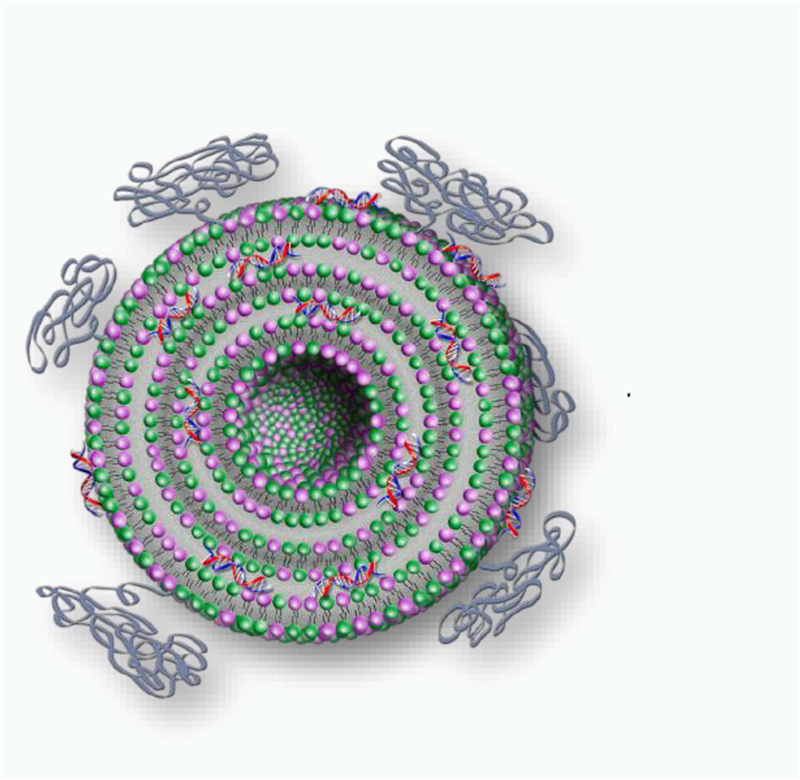
AtuPLEX
Silence Therapeutics’ clinical stage delivery technology, AtuPLEX, has three lipid-based components: cationic lipid (AtuFECT), fusogenic lipid and PEG lipids. The cationic lipid AtuFECT01 constitutes the key components of these liposomes. This structure enables siRNA complexation and avoidance of degradation by endo- and exonucleases. When AtuPLEX particles become internalised, the presence of the neutral lipid DPhyPE facilitates the siRNA cargo release from the endocytic vesicles into the cytoplasm so that RNAi can take place.
|
Exhibit 6: Liposomal delivery - siRNA delivery platform |
Exhibit 7: AtuPLEX composition |
|
|
|
Source: Company presentation |
|
Exhibit 6: Liposomal delivery - siRNA delivery platform |
|
|
Source: Company presentation |
|
Exhibit 7: AtuPLEX composition |
|
|
Source: Company presentation |
This continues to be optimised specifically to deliver various payloads to the vascular endothelium and to deliver mRNA to a cell, ie to stimulate production of a target protein rather than silencing it.
DACC (proprietary lung targeted RNA delivery system)
The DACC system is a proprietary lung targeted RNA delivery system that delivers specifically to the vascular endothelium of the lung. As a result, it is well suited to address diseases of the lung, eg pulmonary arterial hypertension (PAH). To date, the company has reported promising proof of concept results in mouse models in PAH, with the therapeutic benefit measured by a reduction in the right ventricle systolic pressure (RVSP), pathologic pulmonary vessel remodelling and in right ventricle hypertrophy (RVH). To our knowledge, targeting the vascular endothelium is an area in which Silence is ahead of the field.
3) Conjugate delivery systems (GalNAc)
Galactosamine N-acetylgalactosamine (GalNAc) is a high-affinity ligand for the asialoglycoprotein receptor 1, which is abundantly expressed on hepatocytes. The receptor is efficiently endocytosed and releases its cargo in acidic endosomes. GalNAc is used by a range of players for siRNA delivery to the liver and has become the gold standard delivery system in this field. Recent clinical trials targeting the liver have shown promising, durable and well-tolerated gene knockdown, with suggestions of clinical benefit, indicating that siRNA drugs are poised to become a new class of therapeutics within the next few years. It has several advantages over other delivery systems including subcutaneous administration (liposomal delivery requires intravenous administration), lower toxicity, long duration of therapeutic effect and simpler manufacturing at lower cost.
One of Silence’s key strategic focuses is to expand into conjugated delivery systems to complement the liposomal delivery systems outlined above. To date, the company has obtained encouraging functional data using a proprietary GalNAc structure. For example, it has reported that it has demonstrated 80% knockdown in mRNA levels of a tool target with 1mg/kg dose and approximately 50% mRNA knockdown was observed 28 days after a single dose of 2mg/kg. According to the company, these potency levels appear competitive with market leader Alnylam Pharmaceuticals. The company intends to transition early-stage projects that target the liver to GalNAc delivery as it is potentially better suited, as described above, due to the high affinity to the asialoglycoprotein receptor 1, abundantly expressed on hepatocytes.
Translational science
As the technology becomes more robust and repeatable, the translational science aspects of Silence’s development programme are key to identifying indications and developing appropriate clinical candidates. The company indicates that the RNA therapeutics have a faster drug development timeline than, for example, small molecules due to a reduction in the discovery part of the process (c three months vs four years, respectively), essentially because they are highly target specific and the company can attempt ‘multiple shots at goal’.
The competitive landscape
The field of RNA-based therapies is drawing a broad range of players. The ability to harness a natural process to deliver targeted, therapeutic benefit is appealing. siRNA therapeutics are poised to enter the clinical formulary as a new class of drugs, with the most advanced being a Phase III trial being conducted by Alnylam Pharma in TTR-mediated amyloidosis, due to complete in August 2017. Clinical studies conducted in the past two years indicate that safe and effective liver gene knockdown is achievable and it results in therapeutic benefit. While there are currently no approved siRNA therapies, there are multiple clinical studies ongoing, using a variety of approaches, which over the next three to five years could go a long way to determining the clinical and commercial viability of this technology.
In Exhibit 8 we have attempted to summarise the key RNAi companies (siRNA related) and their respective technologies and therapeutic areas. As described above, Silence has made advancements into GalNAc delivery, which means it now fully operates in the same area as Alnylam, currently one of the most advanced companies in RNA therapeutics.
Exhibit 8: Competitors overview
Company |
RNAi technology platform |
siRNA delivery technology |
Therapeutic areas |
Lead product |
Alnylam Pharmaceuticals |
‘Enhanced Stabilisation Chemistry’ used to chemically modify siRNA to reduce nuclease degradation and improve durability. |
Lipid nanoparticle (iv injection); |
Genetic diseases, metabolic-cardio diseases, hepatic diseases |
Patisiran in Phase III (familial amyloidotic polyneuropathy); Revusiran in Phase III (familial amyloidotic cardiomyopathy) |
Arbutus Biopharma (formerly Tekmira) |
Screening of viral genome for potential siRNAs, selection of 3 candidates that are conserved across all HBV genotypes. |
Lipid nanoparticles (containing 3 viral siRNAs) |
Hepatitis B virus |
ARB-1467, in Phase II (HBV) |
Arrowhead Research |
Use known siRNAs |
Dynamic polyconjugate targets hepatocytes (nanoparticles of an amphipathic polymer, with shielding agent such as PEG, and targeting ligands) |
Hepatitis B virus |
ARC-520 in Phase IIb for Hepatitis B |
Benitec Biopharma |
DNA-directed RNAi (ddRNAi), in the form of short hairpin RNA, causes cell to produce its own siRNA. Avoids nuclease degradation issues and as ddDNA integrates into the genome, therapeutic effect is longer lasting. |
Viral (eg adenovirus, lentivirus) or non-viral vectors |
Hepatitis B/C virus, ophthalmology (wet AMD) |
TT034 in Phase I/IIa for Hepatitis B |
Dicerna Pharmaceuticals |
DsiRNA-EX: chemically optimised double-stranded RNAs (25 and 27-mer with a 2 base overhang), with an extended region engineered to give additional functionality (eg immunosilencing or serum albumin binding). |
Naked siRNA (DsiRNA-EX-Conjugates); GalNAc sugar conjugation mediates delivery to hepatocytes; lipid nanoparticles target delivery to solid tumours |
Hepatic cancer, other hepatic disease |
DCR-MYC in Phase Ib/II for hepatocellular carcinoma |
Quark Pharmaceuticals |
Proprietary gene discovery platform, BiFAR, and proprietary chemical modifications to allow high, specific RNAi activity while attenuating off-target and immunostimulatory effects. |
Naked siRNA (also designing target organ-specific lipid, polymer and antibody based delivery) |
Renal disease, ophthalmology, others |
QPI-1002 in Phase III (delayed graft function in kidney transplant) and Phase II in acute kidney injury |
RXi Pharmaceuticals |
Hybrid oligo nucleotides: designed with single-stranded phosphorothioate tail region (enhances cell uptake), a short 15bp duplex region, and a variety of nuclease-stabilising and lipophilic chemical modifications. |
Naked siRNA: chemical design results in self-delivering siRNAs |
Fibrosis, scar reduction |
RXI-109 in Phase II (dermal scarring) |
Wave Life Sciences Ltd |
Phosphorothioate-modified stereopure nucleic acid oligonucleotides useful for many RNA-targeting approaches, including RNAi. Rationally designed to optimise pharmacological properties eg enzymatic resistance and low renal clearance |
Naked NAs |
Huntington’s disease |
Early : IND-enabling studies |
Source: Various company websites
Sensitivities
Silence Therapeutics’ principal activity is biotechnology research and development, which is subject to the risks typically associated with this sector, including the possibility of unfavourable outcomes in clinical trials, regulatory changes, success of competitors and commercial decisions by potential partners. Silence Therapeutics is operating within the highly innovative and ground-breaking field of genetic medicine, an area with enormous potential but also where drugs have yet to reach the market. Products have long lead times that are often costly and, as the current core patents start to expire in 2023, there is a possibility that they will expire before any product is successfully commercialised internally or through partnerships. The opportunity in this area provides significant upside on the success of projects progressing through clinical programmes. However, the novel approach brings additional risk alongside increased interest from other players, which increases the competition in the sector.
The company has altered its strategy in terms of indication focus and placement of R&D funds over recent years; as a result, there is some risk on the execution of its strategy. There is potentially some pressure from the core siRNA IP, which starts to expire in 2023, although it should be noted the company has other patents, such as around delivery, which expire later. Finally, the company continues to restructure its senior management following the resignation of the head of R&D and, while this is being mitigated through an experienced technology advisory board, the company is focused on upgrading material senior staff and management. Also, the company recently announced that Timothy Freeborn would move from CFO to an operational role as managing director and the new CFO, David Ellam, started in July 2016. Achieving stable management and including hires with expertise in the new focus area of GalNAc conjugates is important to delivery and executing its strategy in a timely manner. Finally, there is potential impact from the UK’s decision to leave the EU (possible across the sector), including loss of tax credit for R&D activities and currency movements increasing costs.
Valuation
Assigning a fundamental valuation to Silence Therapeutics necessitates consideration of the inherent value of its platform technology, as well as the recent addition of new technologies such as conjugate delivery systems, CRISPR/Cas9 technology and current and potential future partnership deals. However, it is complex to provide a meaningful valuation for a number of reasons. Firstly, it is inherently more difficult to achieve a fair value for a platform technology compared with that of a pipeline of clinical products using risk-adjusted NPV calculations, as is the standard for biotech companies. Secondly, with unique and early-stage technologies offering the potential of multiple early-stage candidates and indications, given the uncertainty surrounding the development pathway that will ultimately be pursued and the impact on timelines, it is not appropriate to assign a value at this stage. However, it is important to understand that Silence operates in a maturing field, as it is possible over the next couple of years that the first siRNA drug will be approved for market. This could offer upside as the regulatory pathway will be clearer and the risk associated with this therefore reduced. Silence is well positioned in our view, as it offers one of the broadest ranges of RNA technologies in the sector and these technologies will build its product pipeline over time, either through direct investment to bring to market alone or in partnership. There is upside potential here over the next 12-18 months if Silence identifies a strong commercial target, establishes freedom to operate and optimises its chemistry appropriately.
We believe the majority of its current value lies in its platform technology. This can be seen from both its clinical pipeline development and in the potential from partnerships and collaborations relating to it. The Atu027 Phase IIa trial data targeted at preventing metastatic pancreatic cancer provide valuable validation for its RNAi technology and delivery system, AtuPLEX. We do not value the clinical candidate Atu027 as it is not the focus of the company moving forward; however, it does offer some evidence of its potential attractiveness to partners and licensees.
The value potential with regard to partners and licensees has increased recently following the grant of a new, broader US patent, as described above. The final aspect of its IP portfolio that could potentially offer partnership and/or collaboration is the PKN3 gene target and its role in metastasis. This can be targeted for a range of indications, which suggests that multiple partnerships could transpire. These potential partnerships and licensees have could provide upside in terms of financial milestone generation and/or royalties in the longer term. It is important to note, however, that the core IP estate starts to expire in 2023 and, while we fully expect further patents to be added from its current R&D activities, this could limit the potential value of any deals that are made.
At this stage there is insufficient visibility to forecast the potential value or number of the licence agreements that may be agreed, but the company has reported that it is in discussions with potential licensees and there is potential for the broader US patent to instigate further discussions with multiple players.
Silence has demonstrated its ability to negotiate a deal with partners, as the deal with Quark shows. In March 2007, Silence and Quark entered a collaboration for an siRNA therapeutic based on Silence’s proprietary chemistry. Silence indicates that the option terms include 15% of all revenue Quark receives from Novartis, which Quark announced in 2010 could include milestones of up to $650m or, in the absence of Novartis, Silence would be due €2.5m on approval and launch, with royalties of 4%. As this deal was struck almost 10 years ago, we do not believe it provides a meaningful benchmark for potential deal terms, or a solid indication of the format of the deal.
For illustrative purposes, we have looked at the disclosed out-licensing deal metrics for preclinical, Phase II, Phase III and approved assets as collected by BioCentury. Exhibit 9 below outlines the deal metrics in relation to potential Silence Therapeutics assets for which the company has indicated that it is seeking partnership. We believe that it is possible for Silence to achieve these deal metrics, although they are not risk-adjusted or indication specific. This indicates that the potential near-term licensing deals should be sufficient to account for the current share price, leaving room for upside when the earlier-stage programmes and the inherent value of the platform are considered. This illustration does not ascribe value to potential future milestones or royalties.
Exhibit 9: Out-licensing deal metrics
Potential Silence assets for out-licensing |
Stage |
Indication |
Average upfront cash ($m) |
Comments |
AtuRNAi |
Phase II* |
47.3 |
||
Atu027 |
Phase I/II |
Pancreatic cancer |
350 |
Only one deal at this stage since 2009 |
PKN3 as a target |
Development/preclinical |
19.3 |
||
US patent 9,222,092 |
Approved |
25 |
Possibility of multiple licences |
Source: Edison Investment Research, BCIQ database (accessed on 22 May 2016). Note: *Also possible at Phase III.
A final illustration is to look at the potential value if Silence enters the clinic (Phase I) with a drug candidate in three years’ time (2019). Silence could potentially enter Phase I with a GalNAc conjugate drug and/or an LNP drug to deliver either siRNA or mRNA therapeutically. At this point in time we have no visibility as to what the indication could be and, therefore, the market opportunity, likely penetration and pricing. We have modelled an rNPV in 2019 based on a number of assumptions, including a range of peak sales (£250m, £500m and £750m), a blended royalty rate of 30% (higher than a normal royalty to include potential developmental milestones), risk-adjustment of progression through the clinical phases and a 12.5% discount rate. We have also given the present value of the 2019 rNPV (see Exhibit 10). This is done to provide a potential indication of value of a clinical programme in 2019, if all these assumptions are met. This could be higher or lower depending on a number of factors such as indication and deal metrics.
Exhibit 10: Illustrative rNPV (based on reaching clinic in 2019)
Assumptions |
Peak sales |
rNPV |
PV rNPV |
Enters Phase I in 2019 |
£250m |
£14.4m |
£10.1m |
Patent life to 2036 |
|||
Risk adjusted through clinical phases |
£500m |
£39.6m |
£27.8m |
30% blended royalty rate (to include sales royalty and developmental milestones) 10% after patent expiry |
|||
Tax rate 15% |
£750m |
£64.9m |
£45.6m |
Phase I and Phase II clinical costs based on average published costs (oncology)* |
|||
12.5% discount rate |
Source: Edison Investment Research. Note: *Examination of clinical trial costs by the US Department of Health & Human Services.
Finally, expansion of its technology platform and potential additional licensees for its technology could increase the likelihood that Silence becomes an acquisition target for players currently operating in or seeking to enter the field. By way of demonstrating the potential deal values in this area, Exhibit 11 outlines a number of recent deals ranging from R&D JVs, equity stake, IP and targets. The number of deals and the headline details indicate that this is a topical area with high-value generation potential.
Exhibit 11: Recent deal metrics
Technology |
Date |
Tech company |
Partner |
Deal type |
Details |
Gene editing |
2016 |
Intellia Therapeutics |
Regeneron Pharmaceuticals |
IPO and R&D |
IPO offering size of $120m, placeholder amount. Regeneron will pay $75m upfront and buy $50m worth of Intellia stock in a private placement at the IPO stock price. Intellia is also eligible to earn up to $320m in development, regulatory and sales-based milestone payments per licensed target. The companies will work on up to 10 targets together. |
Gene editing |
Dec 2015 |
CRISPR Therapeutics |
Bayer |
R&D JV |
JV to develop CRISR gene editing therapies for blood disorders, blindness and congenital heart diseases. Bayer to invest minimum of $300m over five years. |
Gene editing |
Oct 2015 |
CRISPR Therapeutics |
Vertex |
R&D |
$75m upfront investment, $30m equity stake; four-year deal gives Vertex options on up to six programmes. Up to $240m/programme in potential milestones. |
Anti-sense |
Aug 2015 |
Isis (now Ionis) Pharmaceuticals |
AstraZeneca |
R&D |
AZN to pay $65m upfront payment, potential milestones on products advanced to clinical development and tiered double-digit royalties on sales. Covers cardiovascular, metabolic and renal diseases. |
RNAi |
Mar 2015 |
Arrowhead |
Novartis |
IP, targets |
Arrowhead paid $35m for RNAi assets from Novartis: licence to develop 30 gene targets originally licensed by Novartis from Alnylam, rights to three preclinical candidates plus other technology IP. |
Source: Various company websites and announcements
Financials
The equity raise in April 2015 netted £38.9m and transformed the company’s financial position, with sufficient funding to support multiple R&D projects and possibly a clinical programme through to a value inflection point, depending on strategic priorities and decisions. FY15 reported cash was £51.9m, with a reduction in R&D spend to £7.1m (vs £8.9m 2014), due to the majority of Phase II clinical trial spend being incurred in 2014. We forecast R&D spend to increase slightly again in 2016 at £8.5m, rising to £11.1m in FY17 and £14.4m in FY18, as the company executes on its strategy of further R&D in the GalNAc conjugate research programme, including moving it into the clinic. We forecast an increase in SG&A expenses to £2.9m in FY16, £3.2m in FY17 and £3.5m in FY18 as the company is recruiting further into its strategic areas of R&D focus, for example further GalNAc conjugate specialists.
We have not forecast any milestones resulting from the Quark licensing deal around Silence’s siRNA trigger AtuRNAi (QPI-1002 and PF-655). Small milestones are due if PF-655 progresses, but there is limited disclosure about this programme. The material programme, if successful, could be QPI-1002. If it successfully progresses through trials and eventual commercialisation, the company has indicated it could gain 15% of all sub-licence revenues received by Quark from Novartis. There is risk here, however, as Silence has recently entered into arbitration with Quark. Quark has received a $20m milestone from Novartis following the initiation of a Phase III trial in DGF and, as a result, Silence believes it is due $3m, which equates to a 15% milestone payment. The company expects a result within 12 months. Aside from the arbitration, Quark has indicated that if QPI-1002 reaches commercialisation it will honour the agreement in full. If this happens and it is commercialised in both DGF and AKI, Silence could be due c £74m, 15% of all developmental milestones ($650m). As highlighted above, we expect cash burn to increase from 2017 and that Silence will have sufficient funds into 2020. However, this may change depending on how quickly it executes its strategy of focusing on its early-stage R&D programmes with GalNAc conjugates and mRNA and if any partnering or licensing deals come to fruition to progress Atu027, to target PKN3 in various indications, around its preclinical programmes and/or as a result of the extended US grant award.
Exhibit 12: Financial summary
£000s |
2014 |
2015 |
2016e |
2017e |
2018e |
||
Year end 31 December |
IFRS |
IFRS |
IFRS |
IFRS |
IFRS |
||
PROFIT & LOSS |
|||||||
Revenue |
|
|
15 |
0 |
0 |
0 |
0 |
Cost of Sales |
0 |
0 |
0 |
0 |
0 |
||
Gross Profit |
15 |
0 |
0 |
0 |
0 |
||
R&D expenses |
(8,884) |
(7,114) |
(8,537) |
(11,098) |
(14,427) |
||
SG&A expenses |
(3,258) |
(2,655) |
(2,921) |
(3,213) |
(3,534) |
||
EBITDA |
|
|
(11,795) |
(9,587) |
(11,239) |
(13,958) |
(17,494) |
Operating Profit (before GW and except) |
|
(11,885) |
(9,767) |
(11,457) |
(14,310) |
(17,961) |
|
Intangible Amortisation |
(242) |
(2) |
0 |
0 |
0 |
||
Exceptionals |
0 |
0 |
0 |
0 |
0 |
||
Operating Profit |
(12,127) |
(9,769) |
(11,457) |
(14,310) |
(17,961) |
||
Other |
0 |
0 |
0 |
0 |
0 |
||
Net Interest |
147 |
340 |
389 |
211 |
151 |
||
Profit Before Tax (norm) |
|
|
(11,738) |
(9,427) |
(11,068) |
(14,099) |
(17,810) |
Profit Before Tax (FRS 3) |
|
|
(11,980) |
(9,429) |
(11,068) |
(14,099) |
(17,810) |
Tax |
892 |
2,784 |
1,328 |
1,692 |
2,137 |
||
Profit After Tax (norm) |
(10,846) |
(6,643) |
(9,740) |
(12,407) |
(15,673) |
||
Profit After Tax (FRS 3) |
(11,088) |
(6,645) |
(9,740) |
(12,407) |
(15,673) |
||
Average Number of Shares Outstanding (m) |
50.4 |
64.0 |
69.8 |
69.8 |
69.8 |
||
EPS - normalised (p) |
|
|
(21.51) |
(10.38) |
(13.95) |
(17.77) |
(22.45) |
EPS - FRS 3 (p) |
|
|
(21.99) |
(10.38) |
(13.95) |
(17.77) |
(22.45) |
Dividend per share (p) |
0.0 |
0.0 |
0.0 |
0.0 |
0.0 |
||
BALANCE SHEET |
|||||||
Fixed Assets |
|
|
7,537 |
7,995 |
8,669 |
9,253 |
9,769 |
Intangible Assets |
7,079 |
6,669 |
6,676 |
6,683 |
6,691 |
||
Tangible Assets |
458 |
1,093 |
1,760 |
2,337 |
2,846 |
||
Other |
0 |
233 |
233 |
233 |
233 |
||
Current Assets |
|
|
22,232 |
53,550 |
43,929 |
31,746 |
16,381 |
Stocks |
0 |
0 |
0 |
0 |
0 |
||
Debtors |
375 |
1,641 |
1,641 |
1,641 |
1,641 |
||
Cash |
16,857 |
51,907 |
42,286 |
30,103 |
14,738 |
||
Other |
5,000 |
2 |
2 |
2 |
2 |
||
Current Liabilities |
|
|
(2,013) |
(1,118) |
(1,118) |
(1,118) |
(1,118) |
Creditors |
(2,013) |
(1,118) |
(1,118) |
(1,118) |
(1,118) |
||
Short term borrowings |
0 |
0 |
0 |
0 |
0 |
||
Short term leases |
0 |
0 |
0 |
0 |
0 |
||
Other |
0 |
0 |
0 |
0 |
0 |
||
Long Term Liabilities |
|
|
0 |
0 |
0 |
0 |
0 |
Long term borrowings |
0 |
0 |
0 |
0 |
0 |
||
Long term leases |
0 |
0 |
0 |
0 |
0 |
||
Other long term liabilities |
0 |
0 |
0 |
0 |
0 |
||
Net Assets |
|
|
27,756 |
60,427 |
51,480 |
39,881 |
25,032 |
CASH FLOW |
|||||||
Operating Cash Flow |
|
|
(10,209) |
(9,593) |
(10,057) |
(12,939) |
(16,519) |
Net Interest |
(139) |
(175) |
(389) |
(211) |
(151) |
||
Tax |
892 |
1,513 |
1,328 |
1,692 |
2,137 |
||
Capex |
(338) |
(850) |
(892) |
(937) |
(983) |
||
Acquisitions/disposals |
0 |
0 |
0 |
0 |
0 |
||
Financing |
10,844 |
39,153 |
0 |
0 |
0 |
||
Dividends |
0 |
0 |
0 |
0 |
0 |
||
Other |
137 |
5,175 |
389 |
211 |
151 |
||
Net Cash Flow |
1,187 |
35,223 |
(9,621) |
(12,183) |
(15,365) |
||
Opening net debt/(cash) |
|
|
(15,890) |
(16,857) |
(51,907) |
(42,286) |
(30,103) |
HP finance leases initiated |
0 |
0 |
0 |
0 |
0 |
||
Other |
(220) |
(173) |
(0) |
0 |
0 |
||
Closing net debt/(cash) |
|
|
(16,857) |
(51,907) |
(42,286) |
(30,103) |
(14,738) |
Source: Edison Investment Research, Silence Therapeutics accounts
|
|||||||||||||||||||||||||||||||||||||||||||||||
|