EDISON VIEW
Edison analyses healthcare as one sector with three sub-segments: biotech, medtech and digital health, each valued on different drivers. Biotech value rests on risk-adjusted pipeline value (rNPV), medtech on device adoption, installed base and procedure volumes, and digital health on blended health and technology metrics. Value moves on binary catalysts such as clinical readouts and FDA or EMA decisions, while drug-pricing policy, patent cliffs and funding conditions set the backdrop.
Most biotechs are pre-revenue, meaning valuations are driven primarily by risk-adjusted pipeline value rather than earnings. Edison analysis uses risk-adjusted NPV (rNPV) as the primary methodology, probability weighting future cash flows from each development programme by stage. We complement this with discounted cash flow analysis for commercial stage businesses and comparables, including peer trading multiples and precedent transactions/deal benchmarks.
Clinical trial phases signal risk reduction and value inflection. Typically, Phase 1 tests safety in small groups, Phase 2 explores early efficacy and dosing, and Phase 3 confirms benefit at scale for regulators. For investors, each step improves probability of success, which Edison analysis estimates rises from c.15% in Phase 1 to over 50% by Phase 3, supporting valuation uplift.
As most biotechs are pre-revenue, they typically finance R&D activities through external raises. As incremental equity capital is issued, it dilutes existing shareholders. The burn rate is roughly calculated as operating/free cash outflows for the period. Cash runways are calculated as cash divided by cash burn, providing the number of periods of operations which could be covered by current cash.
A biotech catalyst is a defined event that can materially change a company's valuation
by reducing uncertainty. The most impactful include clinical data readouts, regulatory decisions, and partnership deals.
• Clinical results, especially Phase 2 or 3
• FDA or EMA approvals
• Licensing agreements
Edison analysis finds share price moves are typically largest around binary clinical
outcomes, where expectations are reset quickly.
Market access and reimbursement determine whether a drug is paid for by healthcare systems, directly affecting revenue potential. A clinically effective drug can still struggle commercially, particularly in crowded markets or in rare diseases with high pricing scrutiny. Preventative therapies can also face slow uptake, where cost savings are long-term but budgets are typically set annually.
Healthcare sector analysis focuses on macro drivers (rather than individual company fundamentals): policy risk (drug pricing legislation), patent cliffs, innovation cycles, funding conditions and population demographics. Investors can also track subsector rotation (biotech behaves differently to medtech), alongside FDA approval rates, M&A activity, and interest rate sensitivity. The XBI index serves as a broader indicator of sentiment for the sector.
Medical device valuation differs from biotechs, as it is driven by commercial execution and device adoption. Key KPIs include installed base expansion and procedure volumes, which drive revenue growth and margins. Capex is also important, as investment in manufacturing and scale-up can pressure cash flow. Risks include: regulatory approval, pricing pressure, competition and market uptake, particularly in evolving reimbursement environments.
Digital health valuation blends healthcare and technology metrics. Assessments focus on revenue growth, customer acquisition, retention, and regulatory positioning. The primary valuation methodology uses comparable company (trading multiples and precedent transactions) and discounted cash flow analyses. Pre-revenue companies are evaluated using the venture capital method, which calculates the expected future exit value, discounted back using the internal rate of return.

Healthcare | Flash
Healthcare | Quickview
Healthcare | Update
Healthcare | Spotlight — flash
singularityhub.com
Healthcare
A new protein atlas can help turn static AI predictions of protein shapes into more fluid predictions of how proteins behave in the body.
Read article
www.genome.gov
Healthcare
Estimated cost of sequencing the human genome over time since the Human Genome Project.
Read article
www.prnewswire.com
Healthcare
/PRNewswire/ -- J.P. Morgan Asset Management today announced the launch of a new life sciences private equity team, Life Sciences Private Capital. The new team...
Read article
insights.omnia-health.com
Healthcare
Co-founders of Kismet Technologies, Christina Drake and Shari Costantini, discuss how NanoRad, one of their flagship products, uses targeted application to kill a wide range of bacteria and viruses.
Read article
www.bain.com
Healthcare
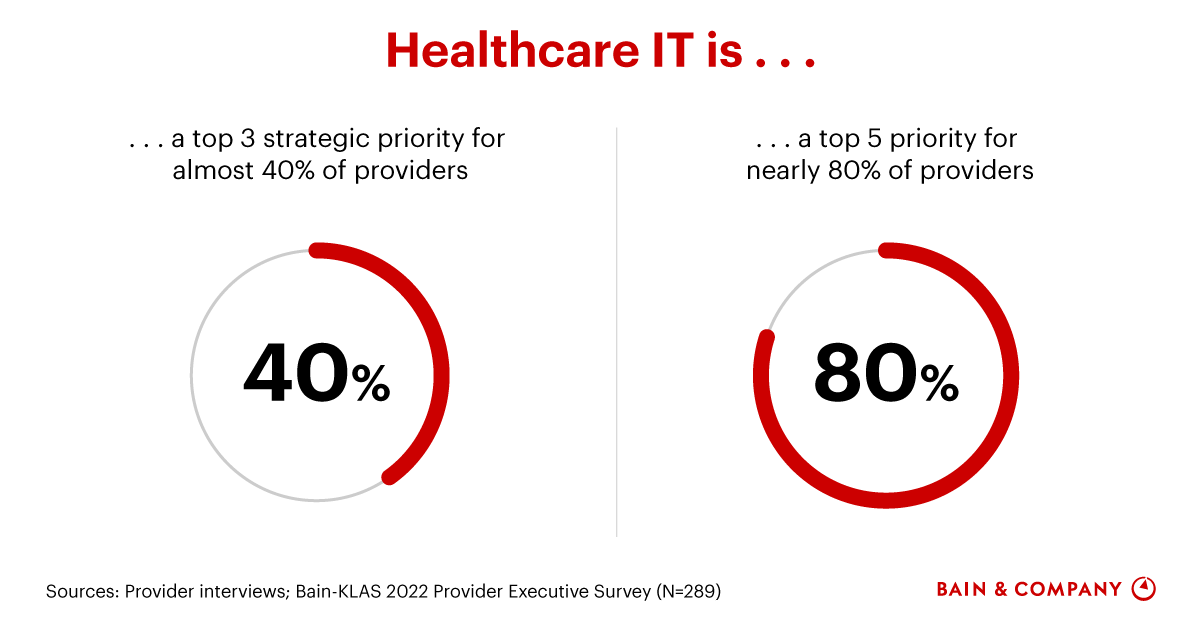
As healthcare providers enter a new period of disruption, their software investment priorities present opportunities for vendors and investors.
Read articlethematic
Energy & Resources