Tissue Regenix
Written by
Tissue Regenix |
Strong outlook in orthopaedics |
Orthopaedic focus report |
Healthcare equipment & services |
28 July 2016 |
Share price performance
Business description
Next events
Analyst
|
||||||||||||||||||||||||||||||||||||||||||||||||||
Tissue Regenix’s (TRX) investment story is built on dCELL, a versatile regenerative medical technology, and its potential across the subsectors: wound care, orthopaedics and cardiac implants. Orthopaedics holds significant promise as the family of dCELL OrthoPure grafts is targeted at high-growth global markets where there are few effective alternatives. We have updated our sum-of-the-parts valuation model to £338m, a slight reduction due to revised product timeline launches, costs and revenue forecasts.
Year end |
Revenue (£m) |
PBT* |
EPS* |
DPS |
P/E |
Yield |
01/15 |
0.1 |
(8.2) |
(1.2) |
0.0 |
N/A |
N/A |
01/16 |
0.8 |
(10.0) |
(1.4) |
0.0 |
N/A |
N/A |
12/16e |
2.4 |
(11.3) |
(1.4) |
0.0 |
N/A |
N/A |
12/17e |
6.4 |
(11.6) |
(1.5) |
0.0 |
N/A |
N/A |
Note: *PBT and EPS are normalised, excluding amortisation of acquired intangibles, exceptional items and share-based payments.
Orthopaedic sports medicine market potential
The global orthopaedics market is reportedly worth c $45.5bn and is growing at 35% pa. TRX is focused on 20% of that market – sports medicine and orthobiologics, specifically joint repair products (shoulder, knee and hip), which is estimated to be worth $2.1bn and growing at 7-14% pa. Market expansion is being driven by growth in the population aged over 50 years old, rising obesity rates and increased participation in sports, leading to sport-related injuries. Overall, the market is moving in favour of soft tissue biological allografts, in search of alternatives to the gold-standard autografts of bone and soft tissue. However, while orthopaedic metal implants prices are falling as they increasingly become commodity products, biologics are becoming increasingly attractive acquisition targets for medical device companies seeing price erosion in metal implants.
Potentially a significant 12 months of progress ahead
There are two clinical trials underway in Europe – OrthoPure XM (xenogeneic meniscus) and OrthoPure XT (xenogeneic tendon). Approval and launch of OrthoPure XT is expected end 2016 and 2017 respectively. A second trial for OrthoPure XM, a dCELL porcine meniscus tissue scaffold, will allow for CE mark submission and a subsequent launch is expected in 2017/18. We are also expecting further clarity on the human tissue OrthoPure (HM/HT) launch in the US, via the HCTP pathway (potential launch late 2017/early 2018).
Valuation: Sum-of-the-parts valuation of £338m
We have revisited a number of our key valuation assumptions to reflect the clarity on launch timeframes, associated costs and updated revenue guidance. Our DCF valuation has reduced to £338m (vs £380m) or 44.4p (vs 50p) per share. According to our model, the current price gives a free option on wound care, the most commercially advanced division, and does not reflect the full pipeline potential, which could ultimately be an acquisition target as a whole or by division.
Investment summary
Company description: Versatile regenerative technology
Tissue Regenix (TRX) is a spin-out from Leeds University, established in 2006. It develops and commercialises medical devices for the regeneration of human tissues and organs based on a patented decellularisation technology known as dCELL. The business model is based on commercialising dCELL through partners, initially in the human tissue market and subsequently to achieve regulatory clearance, with animal tissue implants allowing greater commercial scale. The dCELL process removes cells and DNA from human and animal tissue for transplantation and repair, minimising the risk of rejection and infection and overcoming the limitations of standard treatments. TRX is developing dCELL-based products for a range of applications and indications across three divisions including a US Wound Care subsidiary, Orthopaedic and Cardiac business divisions. Its UK office, production and laboratories are in Leeds, UK. The US wound care subsidiary is based in San Antonio, Texas. The company employs 70 staff and has raised c £50m since flotation on AIM in 2010, via its reverse takeover of Oxeco.
Valuation: Sum-of-the-parts valuation of £338m
We have revisited a number of our key valuation assumptions to reflect the clarity on launch timeframes, associated costs and updated revenue guidance. Our DCF valuation has reduced to £338m (vs £380m) or 44.4p (vs 50p) per share, subject to potential dilution from an estimated £15m funding requirement in 2018 to deliver on our forecast growth trajectory, via a hybrid distribution strategy and including development of OrthoPure XT and XM in the US. This dilution would be reduced, or not required, if the US approval were to be undertaken alongside a partner. We value the wound care business at £251m, the orthopaedics division at £77m and the cardiac division at £39m, based on risk-adjusted cash flows for each division depending on each stage of development; we add reported FY16 net cash of £19.9m. According to our model, the current price gives a free option on wound care, the most commercially advanced division. There are a number of near-term catalysts ahead, including the potential CE mark grant and launch of OrthoPure XT, which would lead us to increase the probability of success for these products.
Financials: Wound care sales growth in CY16
We forecast £40.7m in net sales by 2019e, which should take TRX to profitability. We expect a key driver of this to be from the wound care division as detailed in our January note on the wound care division. We estimate that group revenue will increase from £2.4m in 2016e (new financial year end) to £40.7m in 2019e. The main growth drivers for reaching our £40.7m 2019 group sales forecast are wound care (£27.4m), orthopaedics (£9.6m) and cardiac (£3.6m). Based on end-January 2016 net cash of £19.9m, TRX has a cash runway for the immediate pipeline (OrthoPure, SurgiPure and dCELL valves). Our forecasts indicate that TRX would require an additional £15m funding to cover FDA studies for OrthoPure porcine products.
Sensitivities: Next-generation medical devices
All three divisions depend on the availability of reimbursement for the products, with the Wound Care division being the most advanced in this respect. TRX is operating in competitive markets where sustained investment in development and marketing is required to maintain the profile of the products. Commercial success in orthopaedics depends on the success of the regulatory process, reimbursement and surgeon uptake. Human tissue products are dependent on the availability of donated tissue and on forming new collaborations with human tissue banks. Porcine products offer significant potential in terms of ease of supply and lower-cost processing, although there is a limited amount of data published by TRX to demonstrate how well its products perform in humans.
Innovator of versatile regenerative technology
TRX develops and commercialises medical devices for the regeneration of human tissues and organs based on a patented decellularisation technology, dCELL. This process removes cells and DNA from human and animal tissue for transplantation and repair, minimising the risk of rejection and infection. The company’s business model is based on commercialising dCELL through partners, initially in the human tissue market and subsequently to achieve regulatory clearance, with animal tissue implants allowing greater commercial scale.
dCELL: A growth platform for tissue regeneration
TRX’s investment story is built on the versatility of its patented dCELL technology, used to develop regenerative medical devices across three areas with high growth potential: wound care, sports medicine and cardiac applications. Orthopaedics is the subject of this report: in particular, sports medicine and orthobiologics. The dCELL process creates a tissue scaffold which, once implanted, is repopulated with human cells during the healing process. The technology benefits from several features, which we believe differentiate it from existing treatment alternatives:
■
it allows for the removal of DNA and cells from soft tissue in a manner that minimises rejection and is associated with a low incidence of side effects;
■
it minimises the use of detergents and chemicals, allowing the tissue matrix to be repopulated swiftly with the patient’s own cells; and
■
dCELL tissue can be stored and transported cost-effectively at room temperature.
Having launched a human tissue-derived wound care product (DermaPure) in 2014, TRX is developing a versatile range of human and animal tissue-based devices in wound care, as well as sports medicine and cardiac devices, discussed in our initiation report published in October 2015 and our January 2016 report, which focused on the wound care division.
OrthoPure a very promising alternative; the unmet need is high
Tissue Regenix’s approach is to develop acellular tissue scaffolds derived from human and animal tissue, targeting initially the repair of tendon and meniscus injuries, two of the most common sports injuries. The emphasis is increasingly on earlier intervention and cost reduction by preventing longer-term risks such as osteoarthritis. The shortcomings of existing treatment methods include a high degree of invasiveness and very poor long-term outcomes, described in more detail below. The family of dCELL OrthoPure grafts is targeted at high-growth global markets where there are few effective alternatives.
Exhibit 1: Orthopaedics/Sports Medicine pipeline
Product |
Development route |
Launch timeline |
OrthoPure XM - porcine meniscus |
CE mark |
2018 |
OrthoPure XT - porcine tendon |
CE mark |
2017 |
OrthoPure HM - human meniscus |
US - human tissue |
2017 |
OrthoPure HT - human tendon |
US - human tissue |
2017 |
OrthoPure XT/XM - porcine tendon/meniscus |
US – PMA/510(k) |
Estimated 2021 |
Source: Company reports
OrthoPure XM
OrthoPure XM is a decellularised porcine meniscus, used in partial meniscectomy. Partial meniscectomy is 80% of the meniscal procedures. Of those patients who have a partial meniscectomy, 40%1 are left in pain and it is this market where OrthoPure XM will compete initially.
Company guidance.
TRX’s studies have shown that decellularised porcine medial meniscus maintained the tensile and compressive biomechanical properties within the reported range of the native meniscus. The decellularisation is to remove all immunogenic constituents of the tissue and provide a structure for recellularisation. It is reproducible, supplied at room temperature and can be trimmed as required. In addition to the potential for meeting the unmet need and improving outcomes, cost effectiveness of a medical device is of increasing importance in this field with regard to long-term prospects of uptake. The outcome of a single study by the York Health Economics Consortium (YHEC) showed that partial replacement of meniscus using OrthoPure was cost effective compared to a partial meniscectomy and indicated a saving of £590.33, including the total procedure costs and a higher-quality adjusted life year (QALY) score of 17.08 vs 16.59. Longer-term outcomes remain to be seen and, potentially, additional cost efficacy studies would be needed, to include a cost-saving strategy based on the goal of early intervention and in comparison to a wider range of technologies.
TRX commenced a study in March 2015, assessing the safety and efficacy of OrthoPure XM in patients with pain, following meniscal repair or partial meniscectomy. The company has announced that following some modifications to the meniscus implant the current study will be superseded by a new study, with an identical protocol but using the modified implant. Follow up will continue with the patients currently enrolled. The primary aim of the study is to generate sufficient data for a CE mark submission, which will occur following the six-month follow-up of the first 20 patients treated in the new trial. Enrolment of the first 20 patients into the initial trial was completed in January 2016 and we expect CE mark submission/approval late 2017/early 2018. In addition, the company has announced that there is a possibility OrthoPure XM will go through the 510(k) US market clearance route as opposed to a full IDE/PMA route. If this comes to fruition the trial would cost substantially less and the timeline would shrink in line with a significantly reduced patient number requirement. We have not made any changes to our forecast numbers for the US and are waiting until the company is in a position to give more clarity.
Exhibit 2: OrthoPure XM – clinical trial outline (initial EU study)
Description |
|
Patients |
60 patients, 9 sites in UK, Poland and Spain |
Primary objective |
Safety and performance in improving pain |
Secondary objective |
Improvement in knee function |
Outcomes |
Measured at 3, 6, 12 and 24 months: |
VAS, IKDC, KOOS, LYSHOLM at 0, 3, 12 and 24 mths |
|
MRI follow up at 3, 12 and 24 mths (to check integration of the dCELL meniscus with that of the recipient’s remaining meniscus) |
|
Inclusion criteria |
Irreparable medial or lateral meniscus rear or loss with intact rim |
18 to 55 years |
|
Stable knee joint |
|
ICRS (International Cartilage Repair Society) classification Grade I or II |
|
No more than 3 surgeries on involved meniscus |
|
Exclusion criteria |
Total meniscal loss |
Significant malalignment of knee |
|
Advanced osteoarthritis |
|
Concomitant surgery required |
Patients |
Primary objective |
Secondary objective |
Outcomes |
Inclusion criteria |
Exclusion criteria |
Description |
60 patients, 9 sites in UK, Poland and Spain |
Safety and performance in improving pain |
Improvement in knee function |
Measured at 3, 6, 12 and 24 months: |
VAS, IKDC, KOOS, LYSHOLM at 0, 3, 12 and 24 mths |
MRI follow up at 3, 12 and 24 mths (to check integration of the dCELL meniscus with that of the recipient’s remaining meniscus) |
Irreparable medial or lateral meniscus rear or loss with intact rim |
18 to 55 years |
Stable knee joint |
ICRS (International Cartilage Repair Society) classification Grade I or II |
No more than 3 surgeries on involved meniscus |
Total meniscal loss |
Significant malalignment of knee |
Advanced osteoarthritis |
Concomitant surgery required |
Source: Tissue Regenix. Note: Visual Analogue Scale (VAS), International Knee Documentation Committee Score (IKDC), Knee Injury and Osteoarthritis Outcome Score (KOOS), Lysholm knee score (LYSHOLM).
OrthoPure XT
OrthoPure XT is a decellularised porcine tendon, used as a regenerative scaffold for the treatment and repair of anterior cruciate ligaments (ACL) and/or posterior cruciate ligaments (PCL), replacing the need for autografts which, as described above are associated with significant co-morbidity arising from removing a patient’s own tendon, and allografts (human cadaver) for which there is an inadequate supply. In addition, both autograft and allograft can vary significantly in diameter, whereby OrthoPure XT is a consistent, standard diameter of 8-9mm (vs hamstring graft, which can range from 7mm to 12mm).
TRX commenced a prospective single arm multi-centre study in late 2015 with 40 patients who have a partial or complete ACL tear/rupture. Enrolment is expected to be faster than the meniscus study because it is easier to find the appropriate patients as meniscus injuries are more often concomitant with other injuries, which when present would exclude the patient from the meniscus study (see exclusion criterion in Exhibit 2). The company recently announced that due to the success of the clinical data for OrthoPure XT to date, it will be submitting for CE mark approval earlier than previously anticipated. It now expects to gain a CE mark by the end of 2016 with a subsequent launch in 2017. In addition, the company has stated that it has had positive discussions with the FDA and that it will apply for a US pilot trial by the end of 2016. This would mark a key step toward gaining regulatory approval in the US.
Exhibit 3: OrthoPure XT – clinical trial outline
Description |
|
Patients |
40 patients, 9 sites in UK, Poland and Spain |
Primary objective |
Safety and performance (side to side knee movement) |
Secondary objective |
Improvement in knee function |
Measured at 3, 6, 12 and 24 months: |
|
Lachman and Pivot shift, IKDC, KOOS, LYSHOLM at 0, 3, 12 and 24 mths |
|
MRI follow up at 3, 12 and 24 months (to check integration of the dCELL tendon) |
|
Arthrometer readings at 0, 3, 6, 12, and 24 mths |
|
Inclusion criteria |
Partial or complete ACL tear |
18 to 60 years |
|
Normal ACL on contralateral knee |
|
ICRS (International Cartilage Repair Society) classification Grade I or II |
|
Exclusion criteria |
No previous ACL surgery on target knee |
No surgical intervention on target knee in prior 3 months |
|
Current ACL injury on contralateral knee |
|
Meniscal repairs on target knee requiring >33% meniscectomy |
Patients |
Primary objective |
Secondary objective |
Inclusion criteria |
Exclusion criteria |
Description |
40 patients, 9 sites in UK, Poland and Spain |
Safety and performance (side to side knee movement) |
Improvement in knee function |
Measured at 3, 6, 12 and 24 months: |
Lachman and Pivot shift, IKDC, KOOS, LYSHOLM at 0, 3, 12 and 24 mths |
MRI follow up at 3, 12 and 24 months (to check integration of the dCELL tendon) |
Arthrometer readings at 0, 3, 6, 12, and 24 mths |
Partial or complete ACL tear |
18 to 60 years |
Normal ACL on contralateral knee |
ICRS (International Cartilage Repair Society) classification Grade I or II |
No previous ACL surgery on target knee |
No surgical intervention on target knee in prior 3 months |
Current ACL injury on contralateral knee |
Meniscal repairs on target knee requiring >33% meniscectomy |
Source: Tissue Regenix. Key: International Knee Documentation Committee Score (IKDC), Knee injury and Osteoarthritis Outcome Score (KOOS), Lysholm knee score (LYSHOLM).
US strategy
Human tissue implants can be commercialised following the human tissue HCTP (human cells, tissues, and cellular and tissue-based products) pathway as for skin replacement grafts, although animal tissue implants are subject to full FDA clearance, a much longer and more costly process. We expect launch of the human meniscus/tendon products OrthoPure HM/MT in the US via the HCTP pathway late 2017/early 2018, supported by the European data for submission. Production and sourcing processes for the human meniscus scaffold OrthoPure HM and OrthoPure HT are being negotiated with various potential human tissue bank partners in the US.
In order for TRX to launch OrthoPure XT in the US we would expect it to require a PMA study with a minimum follow up of one year. It would need to compile a technical dossier including biomechanical, preclinical, scientific, virology and biocompatibility data. TRX would require a partner or further fundraising to do this. We also note that there is also the potential for OrthoPure XM to follow a 510(k) market clearance pathway, which would take less time and cost considerably less that a full PMA study.
Other applications
Currently TRX’s focus is on the Meniscus and knee ligament applications. However, there is considerable scope for other applications of the technology within the sports medicine field. For example, tendons in the hip (eg ligamentum teres), shoulder, elbow, wrist, ankle and other knee tendons such as posterior cruciate ligament (PCL) and lateral collateral ligament (LCL). The potential of other applications is not included in our model. If TRX decided to look at other applications we would expect a similar development timeline, although the precedent would have been set for the principles of the technology and approach which could make it a simpler process.
Commercialisation: Off-the-shelf and ease of use is key
The immediate prospects are for launch of OrthoPure XT and XM in Europe, anticipated in 2017 and 2018 respectively and for the human tissue OrthoPure HM and HT in the US, anticipated in late 2017/early 2018. The company anticipates keen reactions from surgeons who see great potential in a room temperature, off-the-shelf biological allograft. Importantly, the uptake of the products is not reliant on extensive education of surgeons. In order to perform either a partial meniscectomy or an ACL replacement with a TRX product a surgeon is not required to learn any new skills. So, if they already have the skill set to conduct a partial meniscectomy and put in a graft then they will be able to use TRX’s product. Surgeons are able to use whatever instrumentation set and fixation products they already use (S&N, Stryker etc). It is just the graft itself that is different but handled the same. However, as with any new technology, uptake is likely to be gradual in the early stages of commercialisation and will depend on the outcome of the CE Mark studies. TRX will target third-party distributors to launch OrthoPure and intends to initially approach five European regions (UK, Spain, Poland, Italy and Germany) where access and reimbursement is more favourable while also building its KOL network and registries, which will be used to build awareness and support reimbursement studies. The data gathered will be used to support a US launch in the future. In the US a commercial head, VP of Orthopaedics, has been recruited and TRX is in discussions with possible partners to commercialise OrthoPure HT/HM. Ligament and tendon repair using allografts is already more advanced than meniscus in the US, valued at c $330m,2 but both have further growth potential. Progress would depend on data and from the experience of porcine implants in CE mark regions.
Company estimate.
Exhibit 4: Commercial estimates for OrthoPure
Product |
Addressable population |
Forecasts |
Next news |
OrthoPure XM - porcine meniscus |
320k failed meniscus procedures pa across Europe and RoW |
Average Selling Price (ASP) of $2,500 peak penetration of 5.5%, net sales of $66m |
CE mark grant and launch 2018 |
OrthoPure XT - porcine tendon |
520k ligament repairs pa in Europe and RoW, 96% via autografts |
ASP of $1,800, peak penetration of 6%, net sales of $111m |
CE mark grant (2016) and launch (2017) |
OrthoPure HM/HT - human meniscus/human tendon |
Number of procedures as per CE mark territories, limited by availability of human tissue, c 20,000 pa per tissue type |
ASP of $2,500. Peak penetration of 20% meniscus/25% tendon, Net sales of $12.4m/$15.5m respectively |
US launch in 2017 via HCTP pathway |
OrthoPure XT/XM - porcine tendon/meniscus (US) |
520k ligament repair procedures pa/320k failed meniscus procedures pa in US |
ASP of $2,500. Peak penetration of 7%, net sales of $109m/ ASP of $2,500. Peak penetration of 7%, net sales of $70m |
Confirmation of timeline and initiation of US study |
Source: Edison Investment Research, company data
We estimate that OrthoPure XT/XM would be launched in the US in 2020 via investigational device exemption (IDE) studies, which typically take >24 months subject to funding (at an estimated total cost of <$20m). We include the cost of the studies in our forecasts. Our estimated penetration rates in human tissue are higher than for porcine products in CE mark regions because the US is a more developed sports medicine market than RoW.. Our estimated market shares in porcine tissue are based on the approximate share of smaller peers in the sports medicine space. The average selling prices (ASP) used are per company guidance.
Competition: Four key players
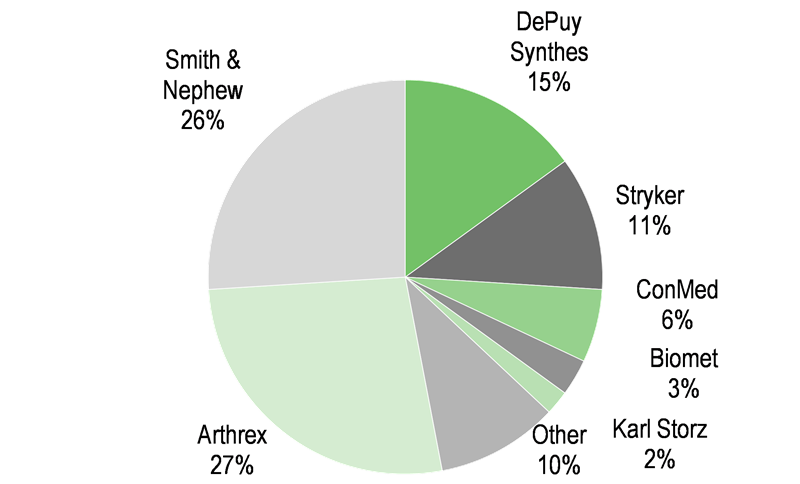
Companies competing in the sports medicine and orthobiologics market are outlined below. There are a large number of companies seeking to innovate and develop products in these areas, although currently the leading four companies account for c 80% of the market.
|
Exhibit 5: Arthroscopy/soft tissue repair |
Exhibit 6: Orthobiologics |
|
|
|
Source: MHBK/IRD based on data from ORTHOWORLD |
|
Exhibit 5: Arthroscopy/soft tissue repair |
|
|
Source: MHBK/IRD based on data from ORTHOWORLD |
|
Exhibit 6: Orthobiologics |
|
|
Source: MHBK/IRD based on data from ORTHOWORLD |
Other early stage companies and technologies include Collagen Meniscus Implant (CMI) by Ivy Sports Medicine (was RenGen Biologics), which is the only collagen scaffold for repair of the meniscus that has been cleared for sale in the US. Using collagen is potentially advantageous in that it has no storage and handling problems and aspects such as porosity, pore size, permeability, shape and mechanical properties can be adjusted in vitro. However, it has also been shown to produce an unorganised and biomechanically unstable matrix in patients and to shrink over time. These problems, plus the requirement for the presence of an outer meniscal rim for successful CMI integration have limited its clinical application.
There are other natural and synthetic scaffolds under investigation, with varying degrees of success to date. For example, Actifit from Orteq Bioengineering produces a synthetic polyurethane scaffold. However, a systematic review3 of the published literature indicated a failure rate of 10.25%, and 5.25% of patients underwent a severe complication possibly related to the scaffold.
Papalia, R., Franceschi, F., Balzani, L.D., D'Adamio, S., Maffulli, N. and Denaro, V., 2013. Scaffolds for partial meniscal replacement: an updated systematic review. British Medical Bulletin, p.ldt007.
Finally, Aperion Biologics, in a similar manner to TRX, has a proprietary treatment method for porcine tissue that will prevent the tissue from triggering an immune rejection response, while retaining structure and mechanical properties, according to the company. The company currently focuses on a replacement ACL tendon, Z-lig, which is CE marked and currently in a clinical trial in the US.
Sports medicine: A large and growing market
The global orthopaedics market is reportedly worth c $45.5bn and is growing at 3-5% pa (MHBK/IRD). The major segments include joint reconstruction (hip, knee and extremities), spine, trauma, orthobiologics and arthroscopy/soft tissue repair (see Exhibit 7). TRX’s orthopaedic division is involved in two market segments totalling 20% of the overall orthopaedic market: sports medicine (arthroscopy and soft tissue repair) and orthobiologics markets. Both segments are growth leaders in the orthopaedic market (see Exhibit 8).
|
Exhibit 7: Orthopaedic product sales by market segment |
Exhibit 8: Orthopaedics market size and growth rates, 2014 |
|
|
|
Source: MHBK/IRD based on data from ORTHOWORLD |
|
Exhibit 7: Orthopaedic product sales by market segment |
|
|
Source: MHBK/IRD based on data from ORTHOWORLD |
|
Exhibit 8: Orthopaedics market size and growth rates, 2014 |
|
|
Source: MHBK/IRD based on data from ORTHOWORLD |
Sports medicine encompasses the therapeutic intervention for injuries or illness resulting from athletic or recreational activities. Orthobiologics are substances that orthopaedic surgeons use to help injuries heal more quickly. They are used to improve the healing of broken bones and injured muscles, tendons and ligaments.
The orthopaedic and sports medicine market has strong growth prospects primarily driven by demographics, in particular the ageing population and the drive to extend active lifestyles. Alongside this is the recognition within the surgical community of the need for a minimally invasive approach and the health economic awareness of the need to do more for less while maintaining quality and function.
The sports medicine market can be broken down into joint repair products (shoulder, knee and hip), which is 46% of the market (see Exhibit 9) and reportedly worth $2.1bn, growing at 7-14%, and arthroscopic enabling technologies, worth $2.5bn growing at 3-6%. The market segment that Tissue Regenix is focused on is joint repair, which comprises products targeting repair of cartilage, ligament and tendons within the joints. These products encompass instruments, orthobiologics, sutures and scaffolds. TRX is focused in the orthobiologics and scaffold space.
|
Exhibit 9: Global sports medicine market by value (US$) |
|
|
Source: Smith & Nephew |
Tissue Regenix is initially focused on two key market segments: meniscal repair and ligament reconstruction, initially anterior cruciate ligaments (ACL) repairs. Meniscal surgery is by far the most common orthopaedic operation, with over 600,000 operations in Europe and nearly one million in the US in 2014 (MRG estimates). Ligament repair surgery is most common in the knee, the anterior and posterior cruciate ligaments (ACL and PCL), with c 750k operations undertaken each year. The majority of those are ACL repairs, with the difference in incidence being 1.8 per 100,0004 (PCL injuries) vs 68.6 per 100,000 (ACL injuries).5
Sanders, T.L., Pareek, A., Barrett, I.J., Kremers, H.M., Bryan, A.J., Stuart, M.J., Levy, B.A. and Krych, A.J., 2016. Incidence and long-term follow-up of isolated posterior cruciate ligament tears. Knee Surgery, Sports Traumatology, Arthroscopy, pp.1-7.
Sanders, T.L., Kremers, H.M., Bryan, A.J., Larson, D.R., Dahm, D.L., Levy, B.A., Stuart, M.J. and Krych, A.J., 2016. Incidence of Anterior Cruciate Ligament Tears and Reconstruction A 21-Year Population-Based Study. The American journal of sports medicine, p.0363546516629944.
6Hasan et al, Current strategies in meniscal regeneration, 2013
7Makris et al, The knee meniscus: Structure, function, pathophysiology, current repair techniques, and prospects for regeneration, 2011
Meniscal repair: Replacement rather than removal
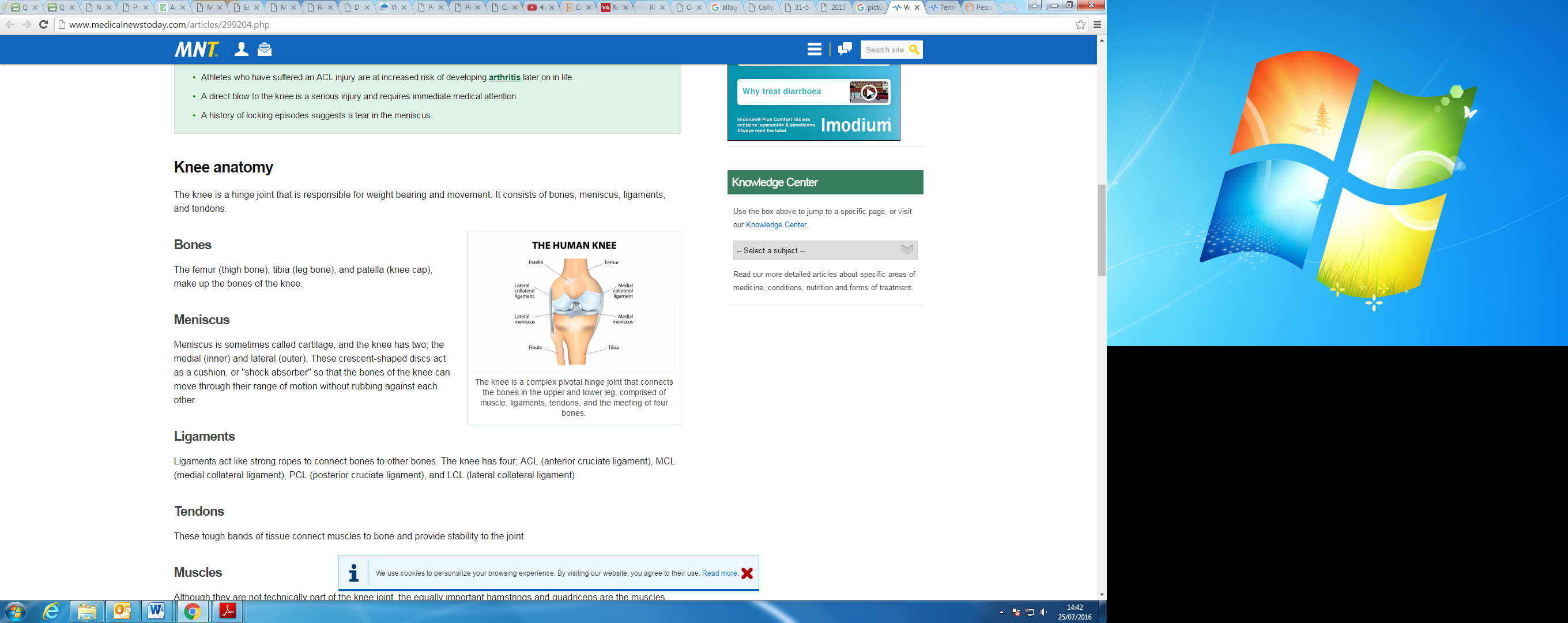
The meniscus is a fibrocartilage structure found within the knee joint (Exhibit 10), and its functions include joint stabilisation, shock absorption and load transmission. The predisposition to injury relates to the limited vascularisation of the meniscus, which is limited in adulthood (c 20% level of vascularisation). It flows radially from the perimeniscal capillary plexus forming three zones: red, red-white and white. The different zones relate to the level of vascularisation, ie the red zone is vascularised, the white avascular and the red-white zone being the transition zone (see Exhibit 11). The level of vascularisation directly correlates to the healing potential of each zone within the meniscus. Damage to the non-vascularised areas of the meniscus, either through tears or degenerative processes, can lead to loss of function of the meniscus. Therefore, tribological function, ie principles of friction, lubrication and wear and stability of the knee joint are compromised6,7.
|
Exhibit 10: Knee joint, illustrating the anatomical position of the menisci |
Exhibit 11: Semilunar meniscus, vascular regional variations |
|
|
|
Source: www.medicalnewstoday.com |
Source: Edison Investment Research |
|
Exhibit 10: Knee joint, illustrating the anatomical position of the menisci |
|
|
Source: www.medicalnewstoday.com |
|
Exhibit 11: Semilunar meniscus, vascular regional variations |
|
|
Source: Edison Investment Research |
Damage to the meniscus can occur due to disease, degeneration (osteoarthritis), traumatic injury, or abnormal development. Equally, following meniscus injury the patient is predisposed to the development of osteoarthritis. Treatment options can be categorised into removal, repair and replacement (full/partial). They are, however, limited with only 10-20% of meniscal tears being suitable for repair and the remaining 80-90% requiring the removal of part or the whole meniscus. Any meniscal repair solution needs to be able to restore the load-bearing and shock-absorbing functions of the knee, reduce pain and ultimately reduce the long-term need for knee replacement.
Exhibit 12: Available treatments for meniscus surgery
Procedure |
Market share |
Description |
Surgical meniscal repair |
43% of repairs in US, |
<20% of tears are amenable to surgical repair requiring sutures, reabsorbable tacks and more expensive 'hybrid' devices |
Full/partial meniscectomy |
56% in US, 92% in EU |
Risk of osteoarthritis and need for partial or total knee reconstruction later on |
Allograft (following full meniscectomy) |
0.2% (US only) |
From human cadavers, high cost, requires size matching, limited supply, risk of infection/rejection |
Source: MRG data, company websites
Meniscectomy
Total meniscectomy was, until recently, widely done to treat meniscus injuries. However, research indicated that this type of procedure caused a narrowing of the joint space, lowered rates of regeneration and caused degeneration in the surrounding cartilage and therefore predisposed to osteoarthritis. As a result, a partial meniscectomy is more often performed. Partial meniscectomy involves debriding any meniscal tissue that no longer serves the normal joint function. The amount of meniscal tissue removed has been directly correlated with a decrease in function of the tissue and therefore acts to only alleviate symptoms briefly until the onset of osteoarthritis.
Repair
It is clearly preferable, therefore, to repair a meniscus when possible rather than remove via a partial meniscectomy. The meniscus does have an inherent ability to heal itself, although this is limited to the vascular region in its periphery – the red zone. Healing is poor in the innermost zone where there is no blood supply or source of reparative cells (see Exhibit 11 above). Various repair techniques are used, ranging from arthroscopic to open surgery and using sutures or an alternative such as a meniscus arrow, dart, T-fix suture bar or a meniscal screw, although these are not often used now. The predominant approach is arthroscopic suture repair.
Replacement
Replacement is more favourable than repair as it has a greater potential to protect the joint surfaces. Replacement scaffolds, at varying stages of development, can be autologous (graft taken from the recipient), allogeneic (grafts taken from cadaveric donors) tissue, xenogeneic (animal grafts) or synthetic.
■
Autologous works well and has demonstrated good results. The disadvantages include donor site morbidity, size restriction and cosmetic issues from harvest sites.
■
Allogeneic is the gold standard in meniscal replacement and is available in different forms such as fresh, frozen, lyophilised and cryopreserved. Studies have shown a reduction of symptoms; however, there are problems with the approach including immune rejection, disease transmission and the limitation of donor tissue availability. However, allogenic does have advantages as there is no donor site morbidity, no size restriction, no cosmetic issues from harvest sites and surgery time is reduced as there is no need to harvest from the recipient.
■
Xenogeneic transplantation has become a popular focus, due to its unlimited availability. In terms of size, porcine menisci are the closest match to human menisci. There remains a potential issue of immune rejection, reportedly due to the galactosyl-alpha (1,3) galactose (alpha-gal) epitope present on cell membrane glycolipids and glycoprotein; humans naturally produce high amounts of antibodies to alpha-gal thereby causing the hyperacute rejection.
■
Synthetic materials are an attractive option as they are easily processed, offer minimal batch to batch variability and their mechanical and chemical properties can be tailored. The downside is they can lack the signalling cues present in naturally derived materials for cell repopulation and cause inflammation.
The replacement needs to conform to the biological and biomechanical characteristics of native menisci and importantly integrate, thereby preventing degeneration of the joint. Currently, the two predominant strategies for engineering a meniscal replacement (allogenic, xenographic or synthetic) is either a cell-based method (scaffolds are seeded with cells before implantation), or cell–free method (acellular scaffolds designed to promote and support regeneration once implanted through the infiltration of endogenous cells from the surrounding tissue). The latter offers a shorter translation to clinic timeframe and a better health economic outcome as the former would require harvesting of autologous cells, necessitating two interventions and potential donor site morbidity to produce a personalised implant. It would also require subsequent culture expansion of the cells to obtain sufficient numbers, and subsequent manipulation of cells in culture or a bioreactor system, inevitably being a much higher cost approach.
Attributes which a replacement scaffold requires6 include:
Henson, F. and Getgood, A., 2011. The use of scaffolds in musculoskeletal tissue engineering. The open orthopaedics journal, 5(1).
■
they should be biodegradable and biocompatible – the scaffolds must be able to be absorbed by the tissue;
■
allow ingrowth of vasculature;
■
should not promote an inflammatory or immune response in the tissue;
■
the scaffold surface and porosity should permit cell adhesion and growth and permit the expression of the appropriate cellular phenotype;
■
the material should have the mechanical properties required to withstand the biological demands made on it during the reparative period;
■
the material must be able to be produced reproducibly;
■
scaffold must be able to be supplied sterile in an appropriate size for surgical placement; and
■
the scaffold should have good handling properties, ie able to be trimmed to fit defects and be amenable to manipulation with surgical instruments.
ACL repair: The scourge of Premiership footballers
ACL rupture is an increasingly common sports injury and there were an estimated 230,000 European and 500,000 US knee ligament reconstructions in 2014 (c 90% involving the ACL), with growth forecast at 5% pa (MRG estimates). The key market drivers are related to an ageing but active population, as well as a rise in sporting injuries in the younger age groups. According to MRG, the US/EU market for ACL reconstruction was worth almost $750m in 2014. It is estimated to grow at 7% pa, mainly due to the extensive use of costly fixation devices (the biggest players are Smith & Nephew, DePuy Mitek and Arthrex). Circa 80% of ACL injuries are surgically treated and, currently, almost all ACL reconstruction procedures use one of two graft types: autograft (usually from the patient's patella or hamstring tendon), or allograft (tendons from cadavers). Both have significant shortcomings. There is another option, synthetic ligaments, but their use is limited and is no longer approved in the US due to high failure rates.
Exhibit 13: Available treatments for ACL repair
Procedure |
Approx % |
Description |
Autograft |
74% (c 90% in Europe) |
Patient's own tendons used; no associated risk of disease transmission or graft rejection. The gold standard in terms of strength and bone incorporation is the “bone-tendon-bone” (BTB) graft where the patella tendon plus adjacent bone are removed. Alternatively, soft tissue autografts use hamstring or quadriceps tendons as graft material. Negatives: removal of patient's own donor tissue causes pain/morbidity at the donor site. Requires increased surgical/recovery time (and cost). |
Allograft |
25% (c 9% in Europe) |
More common in the US and in multi-ligament injuries. Donated and sterilised cadaveric human tissue from commercial tissue banks: typical cost is $2,500-3,000 for a ready-to-implant ACL allograft. Negatives: can carry risks of infection/rejection. Sterilisation can weaken tissue. EU tissue banks have limited supplies. |
Artificial ligaments |
< 1% (ex-US only) |
Europe only after high rates of failure and complications led to banning of synthetics in the US. First-generation materials were non-biodegradable synthetic fibres (silver, carbon, polyethylene, Gore-Tex or Dacron). Second-generation polymers (eg Type I collagen, silk fibres), often biodegradable, may be superior. Negatives: may not be structurally and mechanically strong enough; risks of foreign body reactions/infections. |
Ligament scaffolds |
0% |
Xenograft and human bioscaffolds in development. |
Source: Company websites
Sensitivities
For the group as a whole, key sensitivities include execution of the wound care commercial strategy and the rate of clinical progress in wound care and orthopaedics. Commercialisation of the wound care products is dependent on raising the visibility of DermaPure among key opinion leaders (KOLs), which are typically conservative in adopting new technologies. While existing study data demonstrate excellent results, larger studies could be needed to differentiate the products from the range of skin substitutes available. The orthopaedics division is at an earlier stage of development and although its products potentially meet a significant innovation gap, there are limited published clinical data to substantiate them. US development of porcine orthopaedic products would require additional potentially dilutive funding. The cardiac division has a proven technology with the broadest clinical experience, although the process of market access and commercialisation is costly compared to the market size for human heart valves. Each division is subject to additional funding to support ongoing studies and/or to grow sales forces that could prove dilutive to current shareholders.
Valuation: Sum-of-the-parts valuation of £338m
The company has announced that it will alter its reporting year end from January 2017 to December 2016; the years quoted refer to the new year-end reporting periods. We have revisited a number of our key valuation assumptions to reflect the clarity on launch timeframes, associated costs and updated revenue guidance. Our DCF valuation has reduced to £338m (vs £380m) or 44.4p (vs 50p) per share using a WACC of 12.5%, subject to potential dilution from an estimated £15m funding requirement (2018) needed to deliver on our estimated growth trajectory, via a hybrid distribution strategy and including development of OrthoPure XT and XM in the US. This would be reduced or not required if the US approval is undertaken alongside a partner, or if OrthoPure XM goes down the 510k route instead of an IDE/PMA route. The DCF reduction is principally due to an increase in the sales mix costs in both the wound care division (35%, from 30%) and orthopaedic division (45%, from 30%), altered launch date for OrthoPure XM in the EU to 2018 (2017) and for OrthoPure HM and HT in the US to early 2018 (2017). We have also rolled the model forward to Q116e (please note the change in year end, so first forecast year is 2016e), updated the $:£ exchange rate ($1.44 to $1.3), adjusted the probability of an IDE in the US to 30% (from 35%) and now use reported cash of £19.9m at end FY16 (vs £25m at 31 July 2015). We have also revisited the long-term growth rates of SurgiPure XD, following the announcement of its FDA approval in the US and its intended launch this year, which resulted in a small change to forecast peak net sales to $245m (vs $282m). We have also split out central costs as the company has started to break figures into respective divisions.
Exhibit 14: Sum-of-the-parts valuation
Sum-of-the-parts valuation |
Peak net sales $m |
Operating margin |
Value of divisions (£m) |
Value per share (p) |
Wound Care Inc |
245.34 |
25% |
251.2 |
33.1 |
Orthopaedic |
270.18 |
33% |
77.1 |
10.1 |
Cardiac |
132.94 |
24% |
39.2 |
5.2 |
Unallocated costs |
-49.9 |
-6.6 |
||
net cash Jan 2016 |
19.9 |
2.6 |
||
SOTP |
338 |
44.4 |
Source: Edison Investment Research
We value the three divisions in discrete units owing to the various growth trajectories and estimated profitability. We value the wound care business at £251m, the orthopaedics division at £77m and the cardiac division at £39m, based on risk-adjusted cash flows for each division according to the stage of development (see Exhibit 15). We assume a higher success probability for human tissue due to lower regulatory risk. There are a number of near-term catalysts ahead, including the potential CE mark grant and launch of OrthoPure XT and US launch of OrthoPure HM/HT via the HCTP pathway, which would lead us to increase the probability of success for these products. According to our model, orthopaedics and cardiac alone account for the current share price, leaving wound care as an option for free. Exhibit 16 illustrates our forecast divisional and group sales and profitability 2016e to 2021e.
Exhibit 15: Probabilities for developing products
Pathway |
Probability |
Products |
CE mark |
60% |
Porcine dCELL heart valves/OrthoPure XM/XT |
Human tissue products |
80% |
OrthoPure HM/HT |
IDE - US |
30% |
Porcine dCELL heart valves/OrthoPure XM/XT |
Source: Edison Investment Research
Exhibit 16: Estimated divisional revenue and profitability
£m |
2016 |
2017 |
2018 |
2019 |
2020 |
2021 |
Wound care - revenue |
2.44 |
5.18 |
11.83 |
27.43 |
40.07 |
52.84 |
Growth |
393% |
212% |
228% |
232% |
146% |
132% |
Wound care - operating profit |
-1.66 |
-2.95 |
-0.71 |
3.57 |
10.02 |
19.02 |
Orthopaedics - revenue |
0.00 |
1.12 |
4.07 |
9.60 |
15.59 |
29.32 |
Growth |
N/A |
N/A |
363% |
236% |
162% |
188% |
Orthopaedics - operating profit |
-4.23 |
-2.51 |
-1.38 |
-0.38 |
3.12 |
8.50 |
Cardiac - revenue |
0.00 |
0.14 |
1.39 |
3.63 |
7.60 |
12.15 |
growth |
N/A |
N/A |
1000% |
262% |
210% |
160% |
Cardiac - operating profit |
-2.22 |
-2.88 |
-4.44 |
-2.69 |
-1.30 |
2.07 |
Source: Edison Investment Research
TRX could be an acquisition target either on a divisional basis or for its platform technology as a whole. As TRX gathers positive clinical data from its orthopaedic products, we expect the division could become an acquisition target. The orthopaedics industry has been consolidating and conducting predominantly scale-based acquisitions over recent years. However, we expect a gradual shift away from this and toward transactions that enhance value through innovation and enable a focus on category leadership and portfolio depth.
In a takeover scenario, subject to demonstrating clinical and economic value alongside a clear sales trajectory, the valuation of the orthopaedic division could be 4x sales based on the price paid by S&N for ArthroCare (sports medicine company) in February 2014. This implies a potential valuation of $152m for the orthopaedic division alone, based on the same 4x multiple of FY21e orthopaedic sales of $38.1m (or £29.3m). Equally, in a takeover scenario for the group, subject to gaining commercial traction, it could achieve 5x sales based on the price paid by Integra (wound care) in August 2015 to TEI Biosciences for its range of dermal substitutes. Again, this would imply a valuation of $615m for the group based on a 5x multiple of FY21e sales of $123m (or £94m). There is a range of potential value drivers for TRX: in CY16, events that would lead us to increase the probability of success for the individual products including OrthoPure XT CE mark grant and in CY17 OrthoPure XT launch and OrthoPure XM CE mark grant. Launch of the dCELL human heart valve is planned during 2017.
Financials
The company has announced that it will alter its reporting year end from January 2017 to December 2016. As a result, our model shows 2016 actual numbers and the first year of forecast figures as 2016e. We forecast £40.7m in net sales by 2019, which should take TRX to profitability. We see a sequence of potential catalysts over the next couple of years that could lead to delivering the estimated commercial potential. Our revenue estimates are calculated net of a 35% distributor margin for the wound care and cardiac divisions, assuming TRX continues to operate a hybrid distribution strategy. They are calculated net of a 45% distributor margin for the orthopaedic division, assuming TRX follows a pure distributor sales model. We forecast wound care revenue of £2.4m in 2016, rising to £5.2m in 2017, driven by the commercial focus on outpatient wound care clinics and continuing expansion of distribution channels. In 2017, TRX targets launch of OrthoPure XT in CE mark regions; we estimate £1.1m of net revenue in launch year, rising to £4.1m in 2018, which includes a contribution from the launch of OrthoPure XM. We forecast orthopaedic operating expenses of £4.2m in 2016, including SG&A of £0.8m and R&D of £3.5m, reducing to £2.5m in 2017, as one of the clinical trials completes (SG&A of £1.6m and R&D £1.8m). The cardiac division is forecast to launch dCELL heart valves in 2017, with sales of £0.1m in launch year rising to £1.4m in 2018. Our estimated cardiac opex in launch year (2017) is £3m rising to £4m in 2018, due to increased R&D costs to cover the estimated cost of the IDE for porcine valves.
We estimate that group revenue will increase from £2.4m in 2016 to £40.7m in 2019, reaching profitability on a margin of 2%, when we estimate that tax would be payable on a blended basis of 15%, offsetting US corporation tax of 20% against a UK patent box R&D tax credit, trending towards 20% by 2025. Based on end-January 2016 net cash of £19.9m, TRX has a cash runway for the immediate pipeline (OrthoPure, SurgiPure and dCELL valves). We do, however, estimate a £15m funding requirement in 2018 to deliver on our estimated growth trajectory, which includes commercialising via a hybrid distribution strategy and development of OrthoPure XT and XM in the US. This amount would be reduced or not required if the US approval and launch are undertaken alongside a partner, or if OrthoPure XM goes down the 510k route instead of an IDE/PMA route.
Exhibit 17: Financial summary
|
£'000s |
2014 |
2015 |
2016 |
2016e |
2017e |
2018e |
|
Years ending 31 December |
IFRS |
IFRS |
IFRS |
IFRS |
IFRS |
IFRS |
||
PROFIT & LOSS |
|
|
||||||
Revenue |
|
|
6 |
100 |
816 |
2,444 |
6,444 |
17,279 |
Cost of Sales |
0 |
0 |
(154) |
(440) |
(1,206) |
(3,416) |
||
Gross Profit |
6 |
100 |
662 |
2,004 |
5,238 |
13,864 |
||
Operating expenses |
(6,459) |
(8,318) |
(10,904) |
(13,345) |
(16,815) |
(23,627) |
||
EBITDA |
|
|
(6,453) |
(8,218) |
(9,997) |
(11,131) |
(11,427) |
(9,756) |
Operating Profit (normalised) |
|
|
(6,577) |
(8,369) |
(10,242) |
(11,401) |
(11,673) |
(9,971) |
Exceptionals |
0 |
0 |
0 |
0 |
0 |
0 |
||
Other |
0 |
4 |
0 |
0 |
0 |
0 |
||
Operating Profit |
(6,577) |
(8,365) |
(10,242) |
(11,401) |
(11,673) |
(9,971) |
||
Exceptionals |
0 |
0 |
0 |
0 |
0 |
0 |
||
Net Interest |
274 |
168 |
213 |
149 |
67 |
1 |
||
Profit Before Tax (norm) |
|
|
(6,303) |
(8,201) |
(10,029) |
(11,252) |
(11,606) |
(9,970) |
Profit Before Tax (as reported) |
|
|
(6,303) |
(8,197) |
(10,029) |
(11,252) |
(11,606) |
(9,970) |
Tax |
710 |
620 |
527 |
563 |
580 |
498 |
||
Other |
0 |
0 |
0 |
0 |
0 |
0 |
||
Profit After Tax (norm) |
(5,593) |
(7,581) |
(9,502) |
(10,689) |
(11,026) |
(9,471) |
||
Profit After Tax (as reported) |
(5,590) |
(7,581) |
(9,502) |
(10,689) |
(11,026) |
(9,471) |
||
Average Number of Shares Outstanding (m) |
636 |
636 |
698 |
760 |
760 |
760 |
||
EPS - normalised (p) |
|
|
(0.88) |
(1.19) |
(1.36) |
(1.41) |
(1.45) |
(1.25) |
Dividend per share (p) |
0.0 |
0.0 |
0.0 |
0.0 |
0.0 |
0.0 |
||
Gross Margin (%) |
100.0 |
100.0 |
81.1 |
82.0 |
81.3 |
80.2 |
||
EBITDA Margin (%) |
N/A |
N/A |
N/A |
N/A |
N/A |
N/A |
||
Operating Margin (before GW and except.) (%) |
N/A |
N/A |
N/A |
N/A |
N/A |
N/A |
||
BALANCE SHEET |
||||||||
Fixed Assets |
|
|
472 |
435 |
901 |
1,120 |
1,195 |
1,326 |
Intangible Assets |
0 |
0 |
0 |
0 |
0 |
0 |
||
Tangible Assets |
472 |
435 |
901 |
1,120 |
1,195 |
1,326 |
||
Investments |
0 |
0 |
0 |
0 |
0 |
0 |
||
Current Assets |
|
|
19,610 |
12,238 |
22,296 |
11,902 |
3,441 |
11,578 |
Stocks |
0 |
34 |
64 |
241 |
661 |
1,404 |
||
Debtors |
1,127 |
1,947 |
2,325 |
2,679 |
2,648 |
5,918 |
||
Cash & equivalents |
18,483 |
10,257 |
19,907 |
8,982 |
133 |
4,257 |
||
Income taxes |
0 |
0 |
0 |
0 |
0 |
0 |
||
Other current assets |
0 |
0 |
0 |
0 |
0 |
0 |
||
Current Liabilities |
|
|
(1,104) |
(1,095) |
(1,958) |
(2,411) |
(4,955) |
(7,486) |
Creditors |
(1,104) |
(1,095) |
(1,958) |
(2,411) |
(4,955) |
(7,486) |
||
Short term borrowings |
0 |
0 |
0 |
0 |
0 |
0 |
||
Contingent consideration |
0 |
0 |
0 |
0 |
0 |
0 |
||
Long Term Liabilities |
|
|
0 |
0 |
0 |
0 |
0 |
(15,000) |
Long term borrowings |
0 |
0 |
0 |
0 |
0 |
(15,000) |
||
Contingent consideration |
0 |
0 |
0 |
0 |
0 |
0 |
||
Net Assets |
|
|
18,978 |
11,578 |
21,239 |
10,611 |
(318) |
(9,583) |
CASH FLOW |
||||||||
Operating Cash Flow |
|
|
(6,121) |
(8,285) |
(9,625) |
(11,148) |
(9,175) |
(11,030) |
Net Interest |
274 |
168 |
213 |
149 |
67 |
1 |
||
Tax |
474 |
0 |
745 |
563 |
580 |
498 |
||
Capex |
(358) |
(114) |
(711) |
(489) |
(322) |
(346) |
||
Acquisitions/disposals |
0 |
0 |
0 |
0 |
0 |
0 |
||
Financing |
8 |
5 |
19,019 |
0 |
0 |
0 |
||
Dividends |
0 |
0 |
0 |
0 |
0 |
0 |
||
Capitalised R&D |
0 |
0 |
9 |
0 |
0 |
0 |
||
Net Cash Flow |
(5,723) |
(8,226) |
9,650 |
(10,925) |
(8,850) |
(10,876) |
||
Opening net debt/(cash) |
|
|
(24,206) |
(18,483) |
(10,257) |
(19,907) |
(8,982) |
(133) |
HP finance leases initiated |
0 |
0 |
0 |
0 |
0 |
0 |
||
Other |
0 |
0 |
0 |
0 |
0 |
0 |
||
Closing net debt/(cash) |
|
|
(18,483) |
(10,257) |
(19,907) |
(8,982) |
(133) |
10,743 |
Source: Edison Investment Research and Company accounts
|
|||||||||||||||||||||||||||||||||||||||||||||||||
|