Last close As at 05/08/2026
—
— 0.00 (0.00%)
Market capitalisation
—
Research: Healthcare
Onxeo
Written by
Onxeo |
Multiple events in 2017 |
Corporate outlook |
Pharma & biotech |
6 January 2017 |
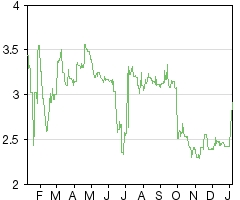
Share price performance
Business description
Next events
Analysts
Onxeo is a research client of Edison Investment Research Limited |
|||||||||||||||||||||||||||||||||||||||||||||||||||
The major near-term catalyst for Onxeo will likely be the Livatag Phase III data in second-line liver cancer, which is expected around mid-2017. During 2017 we also expect new asset AsiDNA to advance into clinical testing, and progress with Beleodaq (belinostat), which could start the regulatory required Phase III trial. Onxeo is increasingly focused on exploring further opportunities for these assets, and has a number of preclinical collaborations ongoing. While data from these early-stage studies are not likely to be a major share price driver, in the longer term, these efforts could help to maximise value. Onxeo recently raised €12.5m to help fund these programmes. Our updated valuation is €350m.
Year end |
Revenue (€m) |
PBT* |
EPS* |
DPS |
P/E |
Yield |
12/14 |
22.1 |
0.2 |
(0.05) |
0.0 |
N/A |
N/A |
12/15 |
3.5 |
(20.0) |
(0.44) |
0.0 |
N/A |
N/A |
12/16e |
3.9 |
(21.0) |
(0.48) |
0.0 |
N/A |
N/A |
12/17e |
7.9 |
(17.5) |
(0.37) |
0.0 |
N/A |
N/A |
Note: *PBT and EPS are normalised, excluding intangible amortisation & exceptional items.
Late-stage assets the main near-term drivers
The Phase III data for Livatag in second-line liver cancer are likely to be a major value inflection point for Onxeo. With the study almost fully recruited, Onxeo expects data from this event-driven trial to become available around mid-2017. We also expect the Phase III belinostat/CHOP chemotherapy combination trial in first-line peripheral T-cell lymphoma (PTCL) to start in coming months, along with initiation of the Phase I study of AsiDNA via iv administration. Our forecasts suggest that within Onxeo’s clinical pipeline, AsiDNA has the largest sales potential
Expanding development via preclinical collaborations
Onxeo is also focused on extending the value of its main orphan oncology assets via a number of early-stage preclinical collaborations, in addition to new programmes that may provide competitive advantages. The preclinical programmes are investigating monotherapy and combination therapy of Livatag and belinostat in a number of solid tumours, with an aim to maximise their value and potential.
Private placement will help to fund preclinical efforts
Onxeo recently completed a €12.5m private placement, which should provide a cash runway to 2018. During this time, data from some of the preclinical collaborations should become available, providing valuable insights so that future development can be optimised before additional investment is needed.
Valuation: Risk-adjusted NPV of €350m or €7.4/share
Our updated Onxeo valuation is €350m (from €339m) owing to rolling our valuation forwards in time and a higher net cash position following the recent €12.5m private placement (gross proceeds). Our updated valuation also incorporates a number of changes, including a Livatag launch in 2019 (from H218), and a slowdown in sales of the non-core products (Oravig and Sitavig).
Investment summary
Company description: Focus on orphan oncology development
Onxeo is a French orphan oncology company with three key products: (1) Livatag in Phase III development for second-line advanced liver cancer; (2) Beleodaq, which is approved and partnered with Spectrum in the US for rare blood cancer peripheral T-cell lymphoma (PTCL); and (3) AsiDNA, acquired via DNA Therapeutics, which could move into Phase I development in 2017 with a new systemic mode of administration. In the near term, Onxeo is focused on expanding the development of these assets to maximise their value; this is via a number of preclinical collaborations and also through new programmes that may provide competitive advantages. In the longer term, Onxeo plans to commercialize these assets alone or with a partner. Onxeo also has two non-core specialty products (Sitavig and Oravig) that are out-licensed to multiple partners in exchange for royalties and milestone payments.
Exhibit 1: Onxeo’s clinical stage and approved products pipeline
Product |
Indication |
Phase |
Comments |
Livatag |
Liver cancer |
Phase III |
Next six-monthly DSMB in Q217 (April); Phase III preliminary data around mid-2017. |
Beleodaq (belinostat) |
r/r PTCL |
US: approved EU: Phase III planned |
US: approved and partnered with Spectrum (also in India; Onxeo receives royalties). New agreement with Pint Pharma for South America. EU: Phase III planned to start in coming months. |
AsiDNA |
Solid tumours, including breast cancer |
Phase I via iv planned for 2017 |
Phase I will establish safety and tolerability of an iv formulation of AsiDNA as monotherapy. Future Phase II trials will likely be in combination therapy in various solid tumours. |
Validive |
Oral mucositis |
On hold |
Seeking partner for Phase III. |
Sitavig |
Recurrent herpes labialis |
Marketed |
Partners include: Cipher/Innocutis (US); Daewoong Pharmaceuticals (South Korea); Teva (Israel); Bruno Farmaceutici (Italy); EMS S/A (Brazil). |
Oravig/Loramyc |
Oropharyngeal candidiasis |
Marketed |
Partners include: Dara Biosciences/Midatech (US); Therabel (EU); Sosei (Japan); SciClone Pharmaceuticals (China) |
Source: Edison Investment Research; Onxeo. Note: Non-core specialty products are shaded. DSMB: data safety monitoring board; r/r PTCL: relapsed or refractory peripheral T-cell lymphoma
Valuation: Risk-adjusted NPV of €350m or €7.4/share
Our Onxeo valuation has increased slightly to €350m (from €339m), largely owing to rolling our valuation forwards in time and a higher net cash position following the recent €12.5m private placement (gross proceeds). This has been diluted to €7.4/share (from €8.2/share) owing to the higher share count following the private placement. Our updated valuation also incorporates a number of changes, including a Livatag launch in 2019 (from H218), and a slowdown in sales of the non-core products (Oravig and Sitavig).
Financials: Cash runway into 2018
Onxeo recently completed a €12.5m private placement (we estimate net proceeds of around €11.9m), issuing 5.4m new shares at €2.30/share. With gross cash at end September of €22.4m (we estimate net €22.3m), this suggests net cash, post the placement, of around €34.2m. This should be sufficient to provide a cash runway into 2018 (Onxeo estimates to Q218).
Sensitivities: Phase III Livatag data around mid-2017
The main sensitivity in the near term will be the Livatag Phase III liver cancer data, which management expects around mid-2017. Success could allow for filing by end 2017 and potential first launches in early 2019. However, a new competitor product (Stivarga from Bayer) was recently filed with regulatory authorities in Livatag’s proposed indication, which could be a headwind in the future, even if the Phase III Livatag data are positive. Progression to further clinical trials with both Beleodaq and AsiDNA could also be share price drivers, in addition to a partner for Validive.
AsiDNA clinical development to start in 2017
AsiDNA entered Onxeo’s pipeline during 2016 following the acquisition of DNA Therapeutics in February. AsiDNA is due to enter a new Phase I trial during 2017 via a systemic (iv) mode of administration. Safety/tolerability and preliminary anti-tumour activity have already been established in a Phase I trial with melanoma patients when administered locally. The next Phase I trial is expected to start in 2017, once manufacturing has been optimised, and data from a preclinical trial of the new iv systemic route of administration are available. AsiDNA is based on signal-interfering DNA (siDNA) technology, and in the future, once safety and tolerability of the iv monotherapy have been established in the upcoming Phase I trial, Onxeo plans to investigate AsiDNA as part of combination therapies in various solid tumours. At this stage, our valuation is based solely on triple negative breast cancer, including €1.1bn peak sales, suggesting AsiDNA could be the product with the largest sales potential in Onxeo’s current pipeline. Triple negative breast cancer seems a likely indication that Onxeo could pursue, with any other indications representing pure upside to our current forecasts.
Clinical development to start during 2017
Onxeo continues to expect that Phase I clinical development with an iv formulation of AsiDNA, which acts to prevent DNA repair in tumours, could start in early 2017. Initiation of this trial is dependent on a number of factors, including: (1) preclinical pharmacokinetic/pharmacodynamic (PK/PD) data with the iv, systemic administration, which should become available in coming months; and (2) optimisation of the manufacturing process, which is ongoing. Development of a systemic (iv) formulation should expand AsiDNA’s product potential to numerous other cancers, including solid tumours, rather than being limited to certain cancers, eg skin, via the already clinically tested local administration route. Although the main aim of the upcoming Phase I study will be to establish safety and dosing of monotherapy AsiDNA via systemic administration, the trial could also generate some initial efficacy data in solid tumours.
We expect that in the future Onxeo will seek to combine AsiDNA with other anti-cancer agents; this is supported by recent preclinical data in combination with olaparib, a poly ADP-ribose polymerase (PARP) inhibitor approved for use in certain types of ovarian cancer. These data suggested a synergistic effect when AsiDNA was combined with olaparib. Onxeo has indicated that initial potential indications that could be investigated with AsiDNA include triple-negative breast cancer (TNBC) and platinum-resistant ovarian cancer.
Phase I melanoma trial supports further development
AsiDNA has already completed the Phase I DRIIM (DNA Repair Inhibitor & Irradiation on Melanoma) trial in 23 patients with metastatic melanoma. In this trial AsiDNA (DT01) was administered locally (intratumourally or peritumourally) in combination with radiotherapy. Although this was a small, open-label trial, data were supportive of further development, demonstrating favourable safety and tolerability, in addition to preliminary anti-tumour activity1:
British Journal of Cancer 114, 1199-1205 (24 May 2016). doi:10.1038/bjc.2016.120
■
Well tolerated: AsiDNA was well tolerated and did not induce additional toxicity when combined with radiotherapy. The most frequent adverse events were reversible grade 1 and 2 injection site reactions. The maximum tolerated dose (MTD) was not reached.
■
Lack of innate immune response: AsiDNA did not cause an innate immune response, implying that the drug is less likely to be neutralised by the immune system, or cause unwanted significant local inflammation.
■
Response rates: The objective response rate was 59% (based on either a complete or partial response in 45 lesions, out of 76 evaluable lesions in 21 patients). There were 23 complete responses (30%), compared to a 10% complete response rate on radiotherapy alone.
■
Duration of response: A durable response was observed (up to a 12-month follow-up period).
■
Systemic passage: Lesions that were not injected with AsiDNA demonstrated a response, demonstrating systemic passage of AsiDNA.
AsiDNA background
AsiDNA entered Onxeo’s pipeline via the February 2016 acquisition of DNA Therapeutics. AsiDNA is based on signal-interfering DNA technology, which essentially acts as a decoy when introduced into a cell, by mimicking damage of the cell’s own DNA. AsiDNA molecules are short double-stranded DNA molecule that mimic breaks in the cell’s DNA and are recognised as damaged DNA by repair and signalling proteins. Thus, AsiDNA activates a cascade of repair proteins, which are recruited to repair the damage. With these repair proteins focused on the AsiDNA decoy, actual damage to a cell’s DNA (arising from radiotherapy, chemotherapy or through mutations) remains unrepaired, leading to cell death.
This false signalling of DNA damage was first explored by DNA Therapeutics in combination with radiotherapy and delivered promising results in preclinical in vivo and in vitro models.2 Double-stranded DNA molecules do not spontaneously enter tumour cells; however, this limitation was resolved using cholesterol as an agent, enabling AsiDNA to pass the cell’s membrane.
Coquery N et al. (2012) Distribution and Radiosensitizing Effect of Cholesterol-Coupled Dbait Molecule in Rat Model of Glioblastoma. PLoS ONE 7(7): e40567.
The terms of the DNA Therapeutics acquisition included an upfront payment of €1.7m through the issuance of new shares (1.4% of the total outstanding before the acquisition). An additional €1m in shares or in cash is due once lead-product AsiDNA enters a Phase II trial in certain indications. Future commercial royalty payments could total up to €25m per indication.
Livatag Phase III liver cancer data around mid-2017
The major near-term catalyst for Onxeo, in our view, will be the availability of Phase III Livatag data from the ongoing ReLive trial in liver cancer. As of the end of November 2016 the trial was >90% recruited, which should allow for top-line data around mid-2017. Commensurate with its focus on orphan oncology development, Onxeo has also initiated a number of preclinical collaborations for Livatag to further explore its potential. We do not specifically include any of these opportunities in our current Livatag valuation, which continues to be based on a peak sales assumption of €250m (including the US, major European and Asian markets). We have also more conservatively slightly delayed initial sales to 2019 (from H218), allowing time for filing and approval post data availability. Only recently, a potential direct competitor, Stivarga (Bayer), for Livatag was filed with regulators; if this is established as the new standard of care in Livatag’s main indication of second-line liver cancer, this could be a potential headwind if Livatag is approved in the future. However, this could be mitigated by the fact that Livatag with its mechanism of action (cytotoxic chemotherapy) will be differentiated from targeted therapies like Stivarga and therefore both products could potentially be used in combination or sequentially.
Phase III ReLive data around mid-2017 the next major catalyst
Following expansion of the ongoing ReLive trial in 2015 to include centres in the Middle East and North Africa region, recruitment appears to have materially increased, with the trial >90% recruited at the end of November 2016;, ie around 360 of the targeted 400 patients. The trial started in May 2012 and by mid-2015 had recruited about 50% of patients. Hence in the last 12 months alone this has swelled to 90%. With the recruitment uptick and based on the current event rate, Onxeo estimates that initial top-line data could become available around mid-2017.
The Phase III ReLive trial is in advanced hepatocellular carcinoma (HCC) patients who are refractory or intolerant to sorafenib (Nexavar). ReLive is an open-label trial investigating two doses of Livatag (20mg/m2 and 30mg/m2 every four weeks administered until progression or toxicity) compared to standard of care. The trial is investigating overall survival (OS) as the primary endpoint (285 events or deaths are needed for analysis), in addition to RECIST (Response evaluation criteria in solid tumours) defined response and progression-free survival (PFS).
Livatag has now successfully completed nine safety reviews by a data safety monitoring board (DSMB), which meets every six months. The DSMB requirement was owing to concerns over lung toxicity, which led to two fatalities during a prior Phase II trial. However, a change was made in Livatag’s delivery (to intravenous infusion over a prolonged six-hour period, from rapid infusion via intra-arterial delivery) to try to address these concerns.
More conservative initial launch assumptions; peak still €250m
We now more conservatively forecast initial Livatag launches, assuming positive data this year, from 2019. We previously included some first sales in H218. We have made this change in order to allow sufficient time for filing and regulatory review post availability of data around mid-2017. Livatag has ‘fast track’ status with the FDA in addition to orphan drug status in the US and Europe, which could lead to quicker review processes and therefore first sales in 2018 could be a possibility. However, at this stage we have elected to be slightly more conservative in our assumptions, especially given the often time-consuming process to assemble the regulatory package ready for filing. Aside from the slight shift in initial launch assumptions, our Livatag peak sales remain €250m; we include a partnership in the US and Asia in our valuation, with Onxeo commercialising alone in Europe (for more details on our peak sales and partnering assumptions please see our Outlook report from September 2015).
Glimmer of hope for patients, but potential headwind for Livatag
There have been a number of high-profile failures in recent years in second-line advanced HCC, highlighting the difficulty in treating these patients; these include Novartis’ Afinitor in addition to Eli Lilly’s Cyramza/ramucirumab (although Phase III Cyramza development continues in a subset of patients). However, after many disappointments in this indication, in June 2016 Bayer reported positive data for Stivarga/regorafenib from the Phase III RESORCE trial in unresectable liver cancer patients who have progressed following treatment with Bayer’s Nexavar/sorafenib. Stivarga demonstrated a significant 2.8-month overall survival improvement (10.6 months compared to 7.8 months on best supportive care) and a 38% reduction in the risk of death. In November Bayer filed for approvals in the US, Japan and Europe. Thus, Stivarga could become the first available treatment for second-line liver cancer, where no current options exist. This could potentially affect Livatag’s market uptake, if approved, given Bayer’s marketing muscle and already well-established position in the liver cancer market. However, penetration of this market will also depend on the strength of the data and magnitude of benefit conferred. Phase III data for tivantinib (METIV-HCC trial, ArQule) is also anticipated in coming months.
Extensive preclinical programme to explore potential
In the last 12 months Onxeo has announced a number of preclinical collaborations for its key assets, including Livatag, in order to explore their potential in combination therapy, both with existing and novel drug candidates. This strategy was initiated in order to crystallise maximum value from each asset beyond the main indications under development.
A number of preclinical collaborations are underway for Livatag (Exhibit 2). One is further exploring Livatag’s potential in liver cancer in combination with both approved and novel products, including with Nexavar/sorafenib in first-line HCC. Livatag is also being investigated in combination with immuno-oncology products in other cancers. Positive initial data from the Synovo collaboration led to a new partnership in early 2016 focused on both Livatag and Beleodaq in combination with immunotherapy in HCC, which has already yielded some early data suggesting enhanced efficacy, leading to a reduction in tumour volume in mouse models. Furthermore, other preclinical data have suggested some encouraging signals in pancreatic cancer mouse models.
Although we do not expect data from these preclinical collaborations to be a key share price driver, results could be instructive in better understanding the full potential of each of Onxeo’s late-stage/approved assets. If data from the early-stage collaborations are encouraging, Onxeo plans to potentially advance to clinical development within the next few years.
Exhibit 2: Livatag preclinical collaborations
Partner |
Initiated |
Indication(s) |
Main areas of investigation |
Croix-Rousse Hospital and the Centre de Recherche en Cancérologie de Lyon, France |
November 2015 |
HCC |
Livatag in combination with new and approved drugs (including sorafenib) |
Synovo GmbH, Germany |
November 2015 |
Range of cancers |
Livatag in combination with immune-oncology (including PD-1 and CTLA-4 checkpoint inhibitors) |
Centro de Investigación Médica Aplicada of the University of Navarra, Spain |
February 2016 |
Various tumours |
Livatag in combination with immune-oncology; aiming to build on understanding the immune mechanism leading to anti-tumour activity |
Source: Edison Investment Research, Onxeo
Livatag background
Livatag is based on the approved anti-cancer agent doxorubicin, which is currently used to treat a wide variety of solid tumours. Livatag is a nanoparticle formulation of doxorubicin developed with BioAlliance’s Transdrug technology, facilitating diffusion of the drug into the tumour cell. Livatag is able to bypass cancer resistance to chemotherapy, which is the main advantage and results in higher concentration of the API in the tumour cells. This is because Livatag enters cells via passive diffusion and avoids recognition by certain multi-drug resistance proteins (P glycoprotein 1, or Pgp pump). In a previous Phase II trial in 28 liver cancer patients, Livatag demonstrated a 17-month overall survival improvement (p<0.05) compared to best supportive care (TACE, transarterial chemoembolization), with Livatag reporting median overall survival of 32 months compared to 15 months with TACE.
Beleodaq: Start of Phase III expected in coming months
We continue to await initiation of the Phase III trial of Beleodaq (belinostat) in front-line peripheral T-cell lymphoma (PTCL) in combination with standard CHOP (cyclophosphamide, hydroxydaunorubicin, Oncovin, prednisone) therapy, as part of the FDA conditional approval and to satisfy European regulatory requirements to gain approval. With safety data for the Beleodaq/CHOP combination reported at end 2015, this study should be able to start imminently. In line with its orphan oncology development strategy, during the last 12 months Onxeo has initiated a number of collaborations and programmes, including the development of an oral formulation of belinostat, which we estimate could enter the clinic during H217. At this stage we do not specifically include any of these opportunities in our valuation, which remains based on PTCL alone; we forecast peak sales of €80m in the US and €60m in Europe. Beleodaq is already approved in the US, generating recurring royalty income for Onxeo.
Awaiting start of Phase III in first-line PTCL
We continue to expect initiation in coming months of the Phase III trial in first-line PTCL comparing belinostat in combination with CHOP therapy, compared to CHOP therapy alone. A controlled trial is required for approval in Europe (versus the already complete US-based Phase II BELIEF study in relapsed/refractory PTCL, which was an open-label, single-arm study in 120 patients) and was a condition of the July 2014 FDA approval.
As previously outlined, Onxeo and partner Spectrum plan to address both the FDA and European requirements with a single further Phase III controlled trial in first-line PTCL combining belinostat with CHOP (BelCHOP) compared to CHOP alone. Safety of the BelCHOP combination has already been confirmed in a Phase I trial that yielded data at the end of 2015. Therefore initiation could start in coming months, in our view (nothing is yet listed on www.clinicaltrials.gov). Assuming the trial takes around two to three years, this could potentially allow for launches from 2020. As per the co-development terms of the deal with Spectrum, costs will be shared, with Onxeo contributing 30%, which we include in our financial forecasts and valuation.
Commercial update: Expanding reach to South America
Beleodaq is marketed in the US under a conditional FDA approval granted in July 2014 for relapsed or refractory peripheral T-cell lymphoma (r/r PTCL) by partner Spectrum. Onxeo receives mid-teens royalties from Spectrum on US sales, which Spectrum has reported as $10.3m in the nine months to end September 2016. Therefore we estimate US sales are on track for about $14m in 2016.
During 2016, Onxeo also completed a licence agreement with Pint Pharma for the registration and commercialisation of belinostat in seven countries in South America. We have limited visibility on the likely timing of belinostat approval in these countries (Argentina, Brazil, Chile, Colombia, Ecuador, Peru and Venezuela), although it is possible that approval could be granted based on the existing data package. We expect Pint Pharma is also seeking to establish an early access programme (EAP) in the coming months. Under the terms of the deal, Onxeo is entitled to an undisclosed upfront payment, regulatory and sales related milestones in excess of $20m, in addition to a double-digit royalty on sales
Seeking to expand belinostat’s potential
Similar to Livatag, Onxeo has initiated a number of preclinical collaborations for belinostat in the last 12 months in order to more fully explore its potential, particularly given immunotherapy advances in cancer. Furthermore, Onxeo is also developing an oral formulation of belinostat, which could provide a competitive advantage in PTCL and also expand its potential.
In June 2016, Onxeo announced preliminary data from initial efforts to develop an oral formulation of belinostat, reporting good bioavailability, which can be a hurdle in the development of orally available drugs. Such a formulation would be a competitive advantage in PTCL, where other treatments are injectable, providing a more convenient administration likely leading to improved patient compliance. Furthermore, this initiative could also allow more flexibility in expanding belinostat to other indications, both as a monotherapy and potentially as part of a combination, particularly in opportunities where an oral formulation would be a complementary addition to the existing treatment paradigm. Onxeo expects that the new oral formulation could be ready to enter clinical trials in H217.
In addition to the oral formulation development, Onxeo has a number of preclinical collaborations ongoing, which are summarised in Exhibit 3. Similar to Livatag, these have been initiated in order to more fully explore belinostat’s potential in other cancers, seeking to build on work already completed by Topotarget (which was acquired by BioAlliance to form Onxeo, and where belinostat originated) as well as incorporating recent developments within cancer, such as immunotherapy. Some initial data were recently reported, which highlighted that the combination of belinostat with checkpoint inhibitors in a mouse model of HCC led to 100% tumour growth cessation, which lasted for one week, compared to 30% with checkpoint inhibitors alone. Similar to Livatag, we do not at this stage expect data from these preclinical collaborations to be a key share price driver and we do not include specific contributions for these in our valuation.
Exhibit 3: Belinostat preclinical collaborations
Partner |
Initiated |
Indication(s) |
Main areas of investigation |
Croix-Rousse Hospital and the Centre de Recherche en Cancérologie de Lyon, France |
November 2015 |
HCC |
Belinostat in combination with new and approved drugs (including sorafenib) |
Synovo GmbH, Germany |
November 2015 |
Range of cancers |
Belinostat in combination with immune-oncology (including PD-1 and CTLA-4 checkpoint inhibitors) |
Centro de Investigación Médica Aplicada of the University of Navarra, Spain |
February 2016 |
Various tumours |
Belinostat in combination with immune-oncology; aiming to build on understanding the immune mechanism leading to anti-tumour activity |
Royal College of Surgeons, Ireland |
July 2016 |
N/A |
Development of belinostat derivatives |
Source: Edison Investment Research, Onxeo
Validive future development on hold pending partner
Although for the time being we continue to include Validive in our Onxeo valuation, further development is essentially on hold pending a partnership. As a reminder, in early 2016 Onxeo determined that future Phase III development would only be pursued in collaboration with a partner. This is owing to the FDA confirming that two Phase III trials will be required prior to approval, whereas Onxeo had originally planned for only a single Phase III study.
We have limited visibility on the potential terms or timing for any partnership. Hence at this stage we have made no major changes to our main assumptions for Validive, with our valuation continuing to assume that Validive remains on hold for at least two years with no R&D investment during this period. Our probability of success remains at 50%. However, we may look to reduce this gradually in the future if no partner is found. Our peak sales remain €200m in head and neck cancer (H&N), towards the bottom of Onxeo’s previously published estimate of €200-400m.
During 2014-15 a Phase II Validive trial reported positive trends in the prevention of oral mucositis in 183 H&N cancer patients, demonstrating a numerically lower overall incidence of severe oral mucositis (45%) compared to the placebo group (60%), although this was not statistically significant (data pooled from the two dose groups; 50μg and 100μg). The median time to onset of severe oral mucositis was 45 days with Validive (pooled doses) compared to 36 days with placebo (p=0.235). Validive-treated patients were also able to tolerate a higher cumulative dose of radiotherapy (60Gy) before onset of severe oral mucositis, compared to placebo (48Gy) (p=0.211). Validive was generally well tolerated with statistically lower incidences of nausea, dysphagia (swallowing difficulties) and abnormal weight loss, all of which are typically associated with severe oral mucositis resulting from radiotherapy. Following these data, Onxeo had originally planned to commence a single Phase III trial of similar scope during 2016.
Validive is based around the widely used antihypertensive, anti-inflammatory agent clonidine delivered via BioAlliance’s Lauriad technology as a mucoadhesive buccal tablet (MBT), which adheres to the gums, gradually releasing clonidine. Validive has ‘fast track’ designation from the US FDA and has been awarded orphan drug status in Europe for the prevention of radiotherapy-induced oral mucositis in H&N cancer patients.
Sensitivities
Onxeo is subject to the usual drug development risks, including clinical development delays or failures, regulatory risks, competitor successes, partnering setbacks, financing and commercial risks. The main sensitivities in both the near and mid-term relate to the three orphan oncology assets: (1) Phase III Livatag data are expected around mid-2017; (2) Beleodaq US sales progression in PTCL in addition to initiation of the required Phase III trial; and (3) completion of the first manufacturing batch of AsiDNA ahead of the start of a Phase I trial with the new iv administration, expected during 2017. Furthermore, as preclinical progress is made with these assets in other indications, they could become more critical to the investment case.
Initial Phase III Livatag data are expected around mid-2017. The timing of event-driven trials such as ReLive is difficult to predict as it depends on the efficacy and hence survival length of both the study drug Livatag and the control arm (best supportive care). These data are likely to be the main catalyst for Onxeo in the near term. If the data are positive and regulatory approvals are obtained, this could be the first orphan oncology product that Onxeo commercialises alone in Europe.
Beleodaq is approved in the US for PTCL, with partner Spectrum responsible for commercialisation. Sales momentum in the US could be a driver for the share price if there is a significant uptick. A further study is required, both to satisfy the FDA and to secure approval in Europe, which is expected to start imminently. Progress with the oral formulation could also be important, providing a competitive advantage in PTCL.
For both Livatag and Beleodaq, Onxeo is pursuing a comprehensive preclinical strategy to explore the potential of these assets in other cancers and in combination with other therapies. At this stage, data from the preclinical studies are unlikely to be a major share price driver. However, in the next few years, as we learn more and Onxeo advances development, the clinical data will become more important. Future clinical development would likely lead to an increase in R&D spending and require additional investment, but could also provide considerable upside to our forecasts if they can be successfully developed in other indications.
For newly acquired asset AsiDNA, starting the planned Phase I with the iv route of administration will be the next key event. For Validive, which is on hold, a partner is now required to advance this further in development. We have limited visibility on the timelines and terms of any such deal.
Valuation
Our Onxeo valuation has increased slightly to €350m (from €339m), largely owing to rolling our valuation forwards in time and a higher net cash position following the recent €12.5m private placement (gross proceeds). This has been diluted to €7.4/share (from €8.2/share) owing to the higher share count following the private placement. There have been a number of small adjustments to some of our product assumptions, which are described in more detail below. Our valuation, which is based on a risk-adjusted NPV analysis using a 12.5% discount rate, is shown in Exhibit 4.
Exhibit 4: Onxeo rNPV valuation
Product |
Indication |
Launch |
Peak sales (€m) |
NPV |
Probability |
rNPV |
NPV/share |
Validive |
Oral mucositis |
2021 |
200 |
71.0 |
50% |
35.0 |
0.7 |
Livatag |
Liver cancer |
2019 |
250 |
178.3 |
40% |
68.9 |
1.5 |
Beleodaq - US |
PTCL |
2014 |
80 |
43.3 |
100% |
43.3 |
0.9 |
Beleodaq - EU |
PTCL |
2020 |
60 |
69.5 |
70% |
47.7 |
1.0 |
AsiDNA |
TNBC |
2024 |
1,110 |
190.5 |
15% |
39.3 |
0.8 |
Loramyc/Oravig |
Oropharyngeal candidiasis |
2007 |
30 |
14.8 |
100% |
14.8 |
0.3 |
Sitavig |
Recurrent herpes labialis |
2014 |
110 |
66.9 |
100% |
66.9 |
1.4 |
Estimated net cash (following €12.5m private placement) |
34.2 |
100% |
34.2 |
0.7 |
|||
Valuation |
|
|
|
668.5 |
|
350.0 |
7.4 |
Source: Edison Investment Research. Note: Specialty products shaded. PTCL = peripheral T-cell lymphoma, TNBC = triple negative breast cancer.
We have made no changes to our Validive or AsiDNA assumptions, with the only change in our valuation owing to rolling our model forwards in time. For Livatag, as described earlier in this report, we now more conservatively include initial sales from 2019, rather than in H218. We have made no major changes to our Beleodaq assumptions, with the latest quarterly report from Spectrum suggesting that 2016 US sales are on track to reach around $14m, which is reflected in our forecast and valuation.
For the specialty products, we have reduced our Oravig peak sales to €30m (from €50m); this is owing to a decrease in our US peak sales estimate to $10m (from $30m), bringing our forecast in line with partner Midatech’s published peak sales target. For Sitavig, we have slowed our EU projected sales ramp; we had included a forecast of €5m in-market sales for 2016, but with launch currently only in Italy via partner Bruno Farmaceutici, we have now lowered this in 2016 and future years. Our peak sales in Europe remain €25m, although we now assume this peak is reached in 2022 (from 2020). Note that in the US, where Sitavig is marketed by partner Cipher (which acquired Innocutis), sales are currently on track to reach our 2016 forecast of $4m. However, our forecasts assume that sales grow rapidly, reaching a peak of €85m in 2020, which could prove overly aggressive.
Financials
We have made only a few changes to our 2016 financial forecasts as these were updated post H116 financial results. We have slightly increased our FY16 revenue forecast, owing to updated nine-month sales data to end September from partner Spectrum, with Beleodaq on track to hit $14m in US revenues. We have made no changes to FY16 operating expenses, and hence the operating loss is slightly reduced, with the higher revenues. Our interest income is also increased owing to the higher cash balance following the €12.5m private placement (see below).
Our 2017 revenue forecasts have decreased slightly owing to the slowed sales ramps for both Sitavig in Europe and Oravig in the US (with our lower peak sales estimate). We have made no changes to operating expenses, but do include slightly higher interest income with the increased cash balance.
We have also incorporated the recent €12.5 private placement (gross proceeds) into our financial model. Onxeo issued 5.4m new shares at €2.30/share. We estimate net proceeds were around €11.9m. With gross cash at end September of €22.4m (we estimate net €22.3m), this suggests net cash, post the placement, of around €34.2m. This should be sufficient to provide a cash runway into 2018 (Onxeo estimates to Q218).
A summary of the main changes to our financial forecasts is shown in Exhibit 5.
Exhibit 5: Key changes to our financial forecasts
€m |
2015 |
2016e |
2017e |
||||
Actual |
Old |
New |
Change |
Old |
New |
Change |
|
Revenue |
3.482 |
3.483 |
3.943 |
+13% |
8.697 |
7.850 |
-10% |
Operating profit (reported) |
(22.334) |
(23.614) |
(23.153) |
-2% |
(18.682) |
(19.529) |
+5% |
Profit before tax (normalised) |
(19.972) |
(21.521) |
(20.957) |
-3% |
(16.822) |
(17.541) |
+4% |
Profit after tax (normalised) |
(17.648) |
(21.354) |
(20.790) |
-3% |
(16.822) |
(17.541) |
+4% |
EPS (norm, €) |
(0.44) |
(0.52) |
(0.48) |
-9% |
(0.41) |
(0.37) |
-8% |
Source: Onxeo accounts, Edison Investment Research
Exhibit 6: Financial summary
€000s |
2010 |
2011 |
2012 |
2013 |
2014 |
2015 |
2016e |
2017e |
||
Year end 31 December |
IFRS |
IFRS |
IFRS |
IFRS |
IFRS |
IFRS |
IFRS |
IFRS |
||
PROFIT & LOSS |
||||||||||
Revenue |
|
|
22,532 |
3,231 |
4,028 |
1,467 |
22,081 |
3,482 |
3,943 |
7,850 |
Cost of Sales |
(859) |
(750) |
(375) |
(264) |
(249) |
(337) |
(453) |
(453) |
||
Gross Profit |
21,673 |
2,481 |
3,653 |
1,202 |
21,832 |
3,145 |
3,490 |
7,397 |
||
EBITDA |
|
|
3,065 |
(14,429) |
(11,300) |
(15,189) |
(4,505) |
(20,355) |
(21,173) |
(17,515) |
Operating Profit (before amort. and except.) |
2,698 |
(14,841) |
(11,506) |
(15,412) |
184 |
(20,574) |
(21,534) |
(17,890) |
||
Intangible Amortisation |
(105) |
(97) |
(9) |
(10) |
(800) |
(1,600) |
(1,619) |
(1,638) |
||
Exceptionals |
0 |
0 |
0 |
0 |
(4,861) |
(160) |
0 |
0 |
||
Operating Profit |
2,593 |
(14,938) |
(11,515) |
(15,422) |
(5,477) |
(22,334) |
(23,153) |
(19,529) |
||
Other |
0 |
0 |
0 |
(29) |
(77) |
(29) |
0 |
0 |
||
Net Interest |
217 |
316 |
(33) |
126 |
5 |
602 |
577 |
349 |
||
Profit Before Tax (norm) |
|
|
2,914 |
(14,525) |
(11,539) |
(15,286) |
189 |
(19,972) |
(20,957) |
(17,541) |
Profit Before Tax (reported) |
|
|
2,809 |
(14,622) |
(11,548) |
(15,325) |
(5,549) |
(21,761) |
(22,576) |
(19,180) |
Tax |
(0) |
0 |
0 |
0 |
(2,150) |
2,353 |
167 |
0 |
||
Profit After Tax (norm) |
2,914 |
(14,525) |
(11,539) |
(15,315) |
(2,038) |
(17,648) |
(20,790) |
(17,541) |
||
Profit After Tax (reported) |
2,809 |
(14,622) |
(11,548) |
(15,325) |
(7,699) |
(19,408) |
(22,409) |
(19,180) |
||
Average Number of Shares Outstanding (m) |
13.6 |
17.7 |
17.7 |
20.7 |
40.5 |
40.5 |
43.7 |
46.9 |
||
EPS - normalised (€) |
|
|
0.21 |
(0.82) |
(0.65) |
(0.74) |
(0.05) |
(0.44) |
(0.48) |
(0.37) |
EPS - normalised and fully diluted (€) |
|
0.21 |
(0.82) |
(0.65) |
(0.74) |
(0.05) |
(0.44) |
(0.48) |
(0.37) |
|
EPS - (reported) (€) |
|
|
0.21 |
(0.83) |
(0.65) |
(0.74) |
(0.19) |
(0.48) |
(0.51) |
(0.41) |
Dividend per share (€) |
0.0 |
0.0 |
0.0 |
0.0 |
0.0 |
0.0 |
0.0 |
0.0 |
||
Gross Margin (%) |
96.2 |
76.8 |
90.7 |
82.0 |
98.9 |
90.3 |
88.5 |
94.2 |
||
EBITDA Margin (%) |
13.6 |
N/A |
N/A |
N/A |
N/A |
N/A |
N/A |
N/A |
||
Operating Margin (before GW and except.) (%) |
12.0 |
N/A |
N/A |
N/A |
0.8 |
N/A |
N/A |
N/A |
||
BALANCE SHEET |
||||||||||
Fixed Assets |
|
|
2,083 |
1,793 |
1,540 |
1,300 |
89,052 |
87,539 |
90,376 |
88,755 |
Intangible Assets |
117 |
27 |
33 |
23 |
87,932 |
86,367 |
89,368 |
87,730 |
||
Tangible Assets |
1,632 |
1,401 |
1,086 |
908 |
711 |
841 |
677 |
694 |
||
Investments |
334 |
366 |
422 |
369 |
409 |
331 |
331 |
331 |
||
Current Assets |
|
|
24,251 |
32,288 |
20,581 |
16,432 |
62,946 |
41,697 |
32,275 |
15,212 |
Stocks |
38 |
1 |
3 |
3 |
65 |
106 |
142 |
142 |
||
Debtors |
243 |
456 |
2,089 |
338 |
582 |
1,036 |
1,173 |
2,336 |
||
Cash |
20,947 |
28,666 |
14,503 |
11,329 |
57,227 |
33,793 |
24,197 |
5,972 |
||
Other |
3,023 |
3,164 |
3,986 |
4,762 |
5,073 |
6,762 |
6,762 |
6,762 |
||
Current Liabilities |
|
|
(5,737) |
(7,051) |
(6,147) |
(6,357) |
(12,919) |
(10,606) |
(11,521) |
(11,632) |
Creditors |
(5,680) |
(6,881) |
(6,090) |
(6,266) |
(11,290) |
(10,537) |
(11,452) |
(11,563) |
||
Short term borrowings |
(57) |
(170) |
(57) |
(91) |
(1,630) |
(69) |
(69) |
(69) |
||
Long Term Liabilities |
|
|
(1,745) |
(4,128) |
(4,231) |
(3,487) |
(17,108) |
(15,831) |
(15,813) |
(16,813) |
Long term borrowings |
(1,131) |
(2,237) |
(511) |
(303) |
(138) |
0 |
0 |
(1,000) |
||
Other long term liabilities |
(614) |
(1,891) |
(3,720) |
(3,185) |
(16,970) |
(15,831) |
(15,813) |
(15,813) |
||
Net Assets |
|
|
18,852 |
22,902 |
11,742 |
7,888 |
121,971 |
102,799 |
95,317 |
75,522 |
CASH FLOW |
||||||||||
Operating Cash Flow |
|
|
3,492 |
(11,614) |
(14,076) |
(14,020) |
(7,733) |
(20,067) |
(20,611) |
(18,224) |
Net Interest |
(61) |
(1,106) |
1,837 |
333 |
843 |
579 |
578 |
349 |
||
Tax |
0 |
0 |
0 |
0 |
0 |
(2,448) |
714 |
42 |
||
Capex |
(108) |
(148) |
(39) |
(119) |
(2) |
(410) |
(197) |
(392) |
||
Acquisitions/disposals |
0 |
0 |
0 |
0 |
14,208 |
0 |
0 |
(1,000) |
||
Financing |
2,867 |
19,367 |
(46) |
10,807 |
37,207 |
611 |
9,921 |
0 |
||
Dividends |
0 |
0 |
0 |
0 |
0 |
0 |
0 |
0 |
||
Net Cash Flow |
6,191 |
6,499 |
(12,324) |
(3,000) |
44,524 |
(21,735) |
(9,596) |
(19,225) |
||
Opening net debt/(cash) |
|
|
(13,569) |
(19,760) |
(26,259) |
(13,935) |
(10,935) |
(55,459) |
(33,724) |
(24,128) |
HP finance leases initiated |
0 |
0 |
0 |
0 |
0 |
0 |
0 |
0 |
||
Other |
0 |
0 |
0 |
(0) |
0 |
0 |
0 |
0 |
||
Closing net debt/(cash) |
|
|
(19,760) |
(26,259) |
(13,935) |
(10,935) |
(55,459) |
(33,724) |
(24,128) |
(4,903) |
Source: Edison Investment Research, Onxeo accounts. Note: Historic financials display standalone data only, with Topotarget consolidated from H214.
|
|||||||||||||||||||||||||||||||||||
|
|