Last close As at 06/08/2026
—
— 0.00 (0.00%)
Market capitalisation
—
Research: Healthcare
Quantum Genomics is a biopharmaceutical company investigating brain aminopeptidase A inhibitors, a new class of drug, for the treatment of hypertension and heart failure. Its lead programme, firibastat (QGC001), is in a 250-patient Phase IIb study in hypertensive overweight patients with patient dosing expected to be completed by the end of 2018 and data in Q119. Another Phase IIb in 300 subjects enrolled within 24 hours after suffering acute myocardial infarction (AMI) is expected to launch by the end of 2018 with results due in H220.
Written by
Quantum Genomics |
A little company going after big indications |
Clinical outlook |
Pharma & biotech |
13 July 2018 |
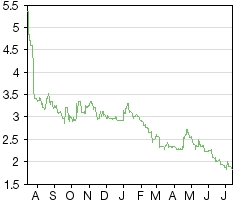
Share price performance
Business description
Next events
Analysts
Quantum Genomics is a research client of Edison Investment Research Limited |
|||||||||||||||||||||||||||||||||||||||||||||||||
Quantum Genomics is a biopharmaceutical company investigating brain aminopeptidase A inhibitors, a new class of drug, for the treatment of hypertension and heart failure. Its lead programme, firibastat (QGC001), is in a 250-patient Phase IIb study in hypertensive overweight patients with patient dosing expected to be completed by the end of 2018 and data in Q119. Another Phase IIb in 300 subjects enrolled within 24 hours after suffering acute myocardial infarction (AMI) is expected to launch by the end of 2018 with results due in H220.
Year end |
Revenue (€m) |
PBT* |
EPS* |
DPS |
P/E |
Yield |
12/16 |
0.0 |
(6.2) |
(0.60) |
0.0 |
N/A |
N/A |
12/17 |
0.0 |
(10.3) |
(0.93) |
0.0 |
N/A |
N/A |
12/18e |
0.0 |
(11.4) |
(0.73) |
0.0 |
N/A |
N/A |
12/19e |
0.0 |
(16.2) |
(1.00) |
0.0 |
N/A |
N/A |
Note: *PBT and EPS are normalised, excluding amortisation of acquired intangibles, exceptional items and share-based payments.
Targeting large markets
A large number of people with hypertension are resistant to treatment with ARBs and ACE inhibitors. One class is so-called low renin primary hypertension, which is present in 25% of the 70 million hypertension patients in the US, but is endemic among hypertensive African Americans (52%). The brain angiotensin pathway is a central mechanism in this disorder. The heart failure market is also large as there are about 735,000 heart attacks a year in the US, with 210,000 of those being repeat heart attacks according to the Centers for Disease Control.
Hypertension trial on track for data in Q119
In April, Quantum Genomics announced that enrolment in its NEW-HOPE trial was outpacing internal projections and that patient dosing is expected to be completed by the end of 2018, with data in Q119. NEW-HOPE is a study of firibastat in 250 hypertensive overweight patients across 25 major US hospitals, with a primary endpoint of change from baseline in-office systolic blood pressure at week eight.
Phase IIb heart failure trial to start by end of year
The QUORUM study will enrol 300 subjects from 40 centres in the US and Europe within 24 hours of suffering AMI, also known as a heart attack. The primary endpoint will be the change from baseline in left ventricular ejection fraction (LVEF) after a three-month treatment.
Valuation: €207m or €18.45 per share
We value Quantum Genomics at €207m or €18.45 per share. Quantum ended 2017 with €11.1m in cash and investments. In March, it announced an equity line of credit with Kepler Cheuvreux, which could raise €24m over three years in four tranches. The company believes the equity line would fund it through the end of 2020. We may revisit our valuation following additional data from the ongoing clinical trials.
Investment summary
Company description: Doing something different
Quantum Genomics, founded in 2006, is a development-stage pharmaceutical company advancing a compound (firibastat) for the treatment of hypertension and heart failure. Firibastat is an inhibitor of brain aminopeptidase A, which is important for the brain localised angiotensin pathway, which has been unaddressed by current therapeutics. This pathway is implicated in a large number of patients with complicated hypertension and could potentially be combined with existing therapies. The company has one ongoing Phase IIb trial in hypertension, which should have data by Q119. Another Phase IIb in heart failure patients should start by the end of the year.
Valuation: €207m or €18.45 per share
We value Quantum Genomics at €207m or €18.45 per share based on a risk-adjusted NPV analysis of the company’s lead programmes for hypertension and heart failure. We value the two programmes similarly, at €97m and €99m respectively, although hypertension has significantly higher peak sales estimates ($2.1bn vs $1.3bn) offset by increased development costs for the hypertension indication. We may further refine our valuation to reflect any future licensing deals. We expect the drug to launch in 2023 and have a runway through patent expiration in 2031.
Financials: Equity line provides funding through 2020
Quantum ended 2017 with €11.1m in cash and investments. In March, it announced an equity line of credit with Kepler Cheuvreux, which could raise €24m over three years in four tranches. The company has stated it believes the equity line would fund it through the end of 2020. This will be somewhat dependent on whether additional trials are conducted by the company or a partner. As late-stage cardiovascular trials are extremely expensive to conduct, we expect further development (such as Phase III trials) to be financed via a partnership.
Sensitivities: Development and partnering risk
In hypertension, firibastat data is limited to a four week 34-patient pilot study. Patients showed a 2.7mmHg improvement in this measure when compared to placebo, which fell short of statistical significance (p=0.16). The patient’s supine in-office blood pressure, measured by a clinician, improved more compared to placebo at 4.7mmHg, although this measure also failed to reach significance (p=0.15). The study was small for a blood pressure study at only 34 patients (which can often reach into the thousands). It is therefore unfortunate, but not necessarily surprising, that statistical significance was missed. Also, approved blood pressure medications typically show an improvement in systolic blood pressure (SBP) (after placebo adjustment) from 9-14mmHg. We should note that there is potential for the treatment effect to increase with increased treatment duration, and this effect has been shown for instance with Diovan (valsartan). In heart failure, there are no previous human data as the company advanced the programme into Phase IIb without waiting for the final results of its 75-patient Phase IIa trial (QUID-HF) due to the safety data seen so far in humans and positive results from recent animal studies. Hence, our success predictions are conservative (15% for each indication). Additionally, regulatory authorities generally require cardiac outcome studies for hypertension and heart failure. In particular for hypertension, these studies can require exceptionally large numbers of patients, often over 10,000, because of the low underlying risk of complications. The numbers are lower for heart failure but are often many thousands. Because these programmes are out of the scope that the company can accomplish alone, we assume it will require a partner to advance them into Phase III, which is another risk as potential partners will have high bars before deciding to fund such an expensive clinical trial programme.
Targeting the head to reach the heart
Quantum Genomics is a biopharmaceutical company based in Paris, focused on the development of treatments for cardiac disorders. It is developing a novel class of molecules targeting brain aminopeptidase A (BAPA) and one of these inhibitors called firibastat is in clinical trials for the treatment of hypertension and heart failure. Firibastat is a prodrug of EC33, a compound used extensively in the laboratory setting to study BAPA. Firibastat is protected via a composition of matter patent until 2031.
Exhibit 1: Quantum Genomics’ pipeline
Program |
Phase |
Indication |
Notes |
firibastat (QGC001) |
Phase IIb ongoing |
Hypertension |
Patient dosing to be completed by end of 2018, data Q119 |
firibastat (QGC001) |
Phase IIb in preparation |
Heart failure |
Trial to commence by end of 2018 with data in H220 |
Source: Quantum Genomics
The renin-angiotensin pathway
The renin-angiotensin pathway is a system of hormones that regulates blood pressure and is the primary mechanism of regulating long-term changes in arterial pressure. The pathway involves a cascading series of sequential proteolytic modifications to angiotensin hormones spanning multiple organ systems. Renin is produced in the kidney in response to a decrease in blood perfusion, and this enzyme cleaves angiotensinogen produced in the liver from angiotensin I. Angiotensin I is subsequently cleaved by angiotensin converting enzyme (ACE) generated in the surface of the lungs into angiotensin II. Historically, angiotensin II has been considered the primary effector of the system and is associated with vasoconstriction and aldosterone-mediated sodium retention, resulting in an increase in arterial pressure. The increase in pressure consequently forms a feedback loop and inhibits the secretion of renin from the kidney. Significant development efforts into the area of hypertension have been focused on this pathway and there have been a large number of successful drugs developed as ACE inhibitors and angiotensin II receptor blockers (ARBs).
However, there is a parallel renin-angiotensin pathway in the brain that is independent of the feedback loop with the kidneys.1 This pathway also exerts significant control over arterial pressure, but unlike in the peripheral pathway, angiotensin II is not the terminal product. Angiotensin II is converted into angiotensin III in the brain by BAPA, and the molecule subsequently modulates a series of factors in the central nervous system that control blood pressure. First, angiotensin III is the primary mediator of vasopressin release from the pituitary, which leads to an increase in water retention in the kidneys and a rise in arterial pressure.2 Secondly, angiotensin III is the primary mediator of the pressor response in the renin-angiotensin pathway.3 The pressor response is the increase in heart rate and blood pressure due to stress or excitement due to the activation of the sympathetic nervous system. Activation of the pressor response is important both for the pathology of hypertension as well as cardiac remodelling following myocardial infarction. Angiotensin II and III broadly share cross-reactivity between these different systems both in vitro and when exogenously administered, but under physiological conditions, the activity of angiotensin II is largely isolated to the periphery and angiotensin III to the brain.3
Ganten D, et al. (1983) Angiotensin synthesis in the brain and increased turnover in hypertensive rats. Science 221, 869-871.
Zini S, et al. (1996) Identification of metabolic pathways of brain angiotensin II and III using specific aminopeptidase inhibitors: Predominant role of angiotensin III in the control of vasopressin release. Proc. Nat. Acad. Sci. 93, 11968-11973.
Reaux A, et al. (1999) Aminopeptidase A inhibitors as potential central antihypertensive agents. Proc. Nat. Acad. Sci. 96, 13415-13420.
|
Exhibit 2: Brain and peripheral renin-angiotensin pathway |
|
|
Source: Various, Edison Investment Research. Note: Angiotensin II and III share downstream cross-reactivity with effectors (not shown), and only the primary effectors based on site of generation are depicted. |
Hypertension
Hypertension is one of the most common medical conditions in the industrialised world and is associated with increased risk of major cardiac events (heart attack, heart failure, aortic dissection, etc) and stroke. The age-adjusted prevalence in the US is 29% of adults,4 and between 17% and 24% in Western Europe.5 Diagnosis and treatment rates for the disease are high (83% and 76%, respectively), although the rate of control is low at only 52%.4 A large cohort of patients appears to be resistant to multiple interventions and 12-15% of diagnosed hypertensive patients are unsuccessfully controlled following treatment with three or more drugs.6
CDC
Kantar Health
Pimenta E and Calhoun DA (2012) Resistant Hypertension: Incidence, Prevalence and Prognosis. Circulation 125, 1594-1496.
The hypertension treatment market is exceptionally diverse, with approximately 200 approved formulations of different drugs and combinations, and over 400 brands. However, these drugs predominantly fall into one of five classes: ACE inhibitors, ARBs, calcium channel blockers, adrenoceptor agonists (including beta-blockers) and diuretics. Diuretics are generally the first line therapy, but may be combined with other drugs based on the severity of disease. Other first line treatments include restriction of dietary salt and exercise, as well as statins or aspirin to limit the associated cardiac risks. Beta-blockers are generally not recommended as first line therapy because they have the smallest impact on stroke risk and more severe adverse effects. Similarly, ARBs have been a subject of some controversy as they have been implicated in increased cancer risk and myocardial infarction. ACE inhibitors do not have these associated risks but are not effective in certain patients (see below). Calcium channel blockers are effective at reducing cardiac risk in otherwise hard-to-treat populations such as those with low renin (see below). However, because the side effects of channel blockers are more severe (light-headedness, nausea, diarrhoea, swelling of the extremities), they are generally not prescribed to the larger population. Because of the large number of available products, the cost per patient is relatively low for this indication at approximately $1,000 a year for a branded drug. Sales of individual drugs can be significant, despite the competitive nature of the market. For instance Diovan has peak sales of $6bn in 2010, and the brands Aceon, Micardis, Avapro, Benicar and Cozaar all achieved over $1bn in sales.
Exhibit 3: Hypertension treatment drug classes
Drug class |
Brand examples |
Notes |
ACE inhibitor |
Aceon, Tritace, Vasotec, Zestril, Prinivil |
Prevents angiotensin II synthesis. |
ARB |
Micardis, Avapro, Benicar, Diovan, Cozaar |
Prevents downstream effects of angiotensins. May increase risk of cancer and myocardial infarction. |
Calcium channel blocker |
Norvasc, Adalat, Plendil, Syscor, Zanidip |
Relaxes vascular smooth muscle. Only effect treatment for low renin primary hypertension. |
Adrenoceptor agonist |
Seloken, Concor, Lobivon, Bystolic, Coreg |
Inhibits sympathetic nervous system. Not recommended as a first line treatment because it does not reduce stroke risk. |
Diuretic |
Natrilix, Verospiron, Luprac |
Reduces fluid volume. First line treatment. |
Source: Evaluate Pharma
Very little research is devoted to developing novel therapies for hypertension. The vast majority of development programmes are for combinations of existing drugs, usually combining multiple drug classes into a single pill. A significant reason behind this is that the development costs for anti-hypertensive drugs, and for cardiac indications in general, are exceptionally high. Because of this, we expect Quantum Genomics will seek a partner to advance development into Phase III, pending positive data.
Low renin primary hypertension
There are multiple varieties of hypertension with underlying genetic origins. One such disorder is called low renin primary hypertension (LRPH, also known as low renin essential hypertension) because it is characterised by high blood pressure despite lower than average levels of circulating renin. The disorder is additionally characterised by high concentrations of vasopressin and increased sensitivity to sodium, which is consistent with the hyperactivity of the brain renin-angiotensin system and consequent downregulation of the peripheral system.7 These patients are generally resistant to ACE inhibitors, ARBs and beta-blockers, and the only treatment option is calcium channel blockers.8 Quantum Genomics has identified patients with LRPH as a potential market for brain aminopeptidase A inhibitors (BAPAIs) because of the unique mechanism and the relative lack of options for these patients.
Basso N, et al. (1981) Renin-like activity in the rat brain during the development of DOC-salt hypertension. Hypertension 3, 11-14.
Bühler FR, et al. (1984) Renin profiling to select antihypertensive baseline drugs. Renin inhibitors for high-renin and calcium entry blockers for low-renin patients. Am. J. Med. 77, 36.
Although it exists on a spectrum, approximately 25% of hypertensive patients are characterised as having low renin.8 However, many ethnic groups have dramatically higher prevalence of the disorder. For instance, the prevalence of LRPH among hypertensive patients of African origin is approximately twice (52%) that of the general population in the US.9 This is in addition to higher background rates of hypertension (44% of adults) among African Americans.4 Even among people with normal blood pressure, renin activity in African Americans is approximately half of that seen in Caucasians.
Sagnella (2001) Why is plasma renin activity lower in populations of African origin? J. Hum. Hypertension 15, 17-25.
Firibastat in hypertension
In June 2017, Quantum Genomics reported the results from the Phase IIa pilot study of firibastat for the treatment of patients with mild to moderate essential hypertension. The trial was a randomised, double-blind, crossover study that measured the change in SBP in 34 patients over four weeks. Patients were dosed with 250mg of firibastat twice a day for a one-week lead-in period, followed by 500mg per day. The primary outcome of the study was the reduction in ambulatory SBP measured over daytime hours using a blood pressure monitor. Patients showed a 2.7mmHg improvement in this measure when compared to placebo, although the difference fell short of statistical significance (p=0.16). The patient’s supine in-office blood pressure, measured by a clinician, improved more compared to placebo at 4.7mmHg, although this measure also failed to reach significance (p=0.15). Other blood pressure measurements, including diastolic blood pressure (DBP) were generally insignificant (Exhibit 4).
Exhibit 4: Effect of firibastat on different blood pressure measurements.
Measurement |
Period |
Placebo adjusted change (mmHg) |
|||
SBP |
p |
DBP |
p |
||
Ambulatory |
Daytime |
-2.70 |
0.16 |
-1.80 |
0.24 |
Night-time |
-0.51 |
0.85 |
0.64 |
0.67 |
|
24h |
-2.00 |
0.31 |
-1.04 |
0.48 |
|
Office |
-4.65 |
0.15 |
-0.71 |
0.75 |
|
Source: Quantum Genomics
This was small for a blood pressure study at only 34 patients (which can often reach into the thousands). It is therefore unfortunate, but not necessarily surprising, that statistical significance was missed. Also, approved blood pressure medications typically show an improvement in SBP (after placebo adjustment) from 9-14mmHg. This effect size is seen across a range of classes treating patients with similar baseline SBP (Exhibit 5). We should note that there is potential for the treatment effect to increase with increased treatment duration and this effect has been shown for instance with Diovan (valsartan).
Exhibit 5: Improvement in SBP from a selection of drugs*
Drug |
Class |
Measurement |
Duration |
Baseline SBP (mmHg) |
Reduction in SBP, placebo adjusted** (mmHg) |
firibastat (QGC001) |
BAPAI |
Daytime ambulatory |
4 weeks |
150 |
2.7 |
firibastat (QGC001) |
BAPAI |
Supine |
4 weeks |
148 |
4.7 |
Vasotec (enalapril) |
ACE inhibitor |
Seated |
4 weeks |
147 |
14 |
Norvasc (amlodipine) |
Calcium channel blocker |
Standing |
24 hours |
N/R |
12 |
Diovan (valsartan) |
ARB |
Supine or Seated |
8 weeks |
151 |
9 |
Tekturna (aliskiren) |
Renin inhibitor |
Seated |
8 weeks |
151 |
12 |
Source: Quantum Genomics, FDA labels, FDA review documents. Note: *For illustrative purposes using historical data and not head-to-head comparisons. **Maximum effective dose reported. BAPAI = brain aminopeptidase A inhibitor. ARB = angiotensin receptor blocker. ACE = angiotensin converting enzyme. N/R = not reported in available documents.
Quantum Genomics carried out a multi-variate analysis that gives some insight into the variables contributing to drug response. The variable with the highest significance was the patient’s baseline daytime SBP prior to entering treatment (p=0.01), because patients with the highest blood pressure when entering the study had the highest response. This is consistent with previous data in rats and humans that suggest the response correlates with disease severity. In previous studies, the drug had no effect on subjects with normal blood pressure.
The second most significant variable was the difference between patients during treatment and while on placebo at p=0.06, which is much better than in the more naive primary analysis. This suggests other confounding imbalances between patients worsened the significance of the primary outcome. These issues can at least in part be addressed through future trial design, in particular a larger patient sample size enabling better randomisation.
The adverse event profile was similar between firibastat and placebo and largely benign (Exhibit 6). Two patients discontinued from the trial due to adverse events, and one withdrew (during the placebo portion) due to severe hypertension. Importantly, the company also did bloodwork on participants and demonstrated that the treatment did not affect any hormones implicated in hypertension (such as renin or aldosterone, among others), suggesting the drug’s effect is the on-target action on BAPA.
|
Exhibit 6: Firibastat (QGC001) adverse events |
|
|
Source: Quantum Genomics |
The company has initiated the NEW-HOPE trial in 250 hypertensive overweight (BMI 25-45kg/m2) patients, with a primary endpoint of change from baseline in office SBP at week eight. SBP at screening will have to be 145-170mmHg if previously untreated, or 130-150mmHg if treated. Following a two-week, run-in period in which there would be no treatment, SBP would need to be 145-170mmHg. Patients will start off on 250mg twice a day (BID) for two weeks and then either continue at that dose or increase to 500mg BID for another two weeks. Following that, patients would either be on 250mg BID, 500mg BID or 500mg BID with 25mg of hydrochlorothiazide, an often-used diuretic, added in.
|
Exhibit 7: NEW-HOPE study design |
|
|
Source: Quantum Genomics |
The company expects that at least 50% of patients will be self-identified as African American or Hispanic. African Americans have a higher prevalence of hypertension compared to other groups, but also, along with Hispanics, are less likely to have their hypertension under control compared to their white counterparts.
|
Exhibit 8: Percentage of adults with hypertension who have it controlled, by race and sex |
|
|
Source: Yoon S et al., NCHS Data Brief. 2015 Nov;(220):1-8 |
Firibastat in heart failure
Quantum Genomics is also investigating firibastat for the treatment of heart failure. Heart failure is a clinical diagnosis representing a cluster of disorders in which the heart has a reduced ability to pump blood. Specifically, Quantum Genomics will be targeting those patients who have had a heart attack. According to the Centers for Disease Control, there are about 735,000 heart attacks in the year in the US, with 210,000 of those repeat heart attacks. And, according to the American College of Cardiology, 23% of women and 18% of men die within a year of their first recognised heart attack.
Drugs of the same classes used to treat hypertension are also used for heart failure, because a reduction in blood pressure reduces strain on the heart and prevents the associated hypertrophy and other disorders that can lead to reduced function. Moreover, drugs such as beta-blockers can directly affect the cardiac workload by modulating the activity of the sympathetic nervous system. However, unlike for hypertension, there is greater research into new treatments for heart failure. These new therapies include cell therapies to encourage the development of healthy cardiac tissue, as well as factors to improve cardiac muscle function and heart output. Drugs specifically for this indication tend to command higher prices than for hypertension, in the range of $4,000-5,000 per year.
Exhibit 9: Selected heart failure development programmes
Drug |
Sponsor |
Phase |
Description |
Vericiguat |
Merck/Bayer |
Phase III |
Guanylate cyclase activator |
MPC-150-IM |
Mesoblast |
Phase III |
Mesenchymal stem cell |
Omecamtiv mecarbil |
Amgen |
Phase III |
Cardiac myosin activator |
Elamipretide |
Stealth BioTherapeutics |
Phase III |
Mitochondria targeted therapy |
GSK2798745 |
GlaxoSmithKline |
Phase II |
Transient receptor potential vanilloid-4 (TRPV4) antagonist |
PB1046 |
PhaseBio Pharmaceuticals |
Phase II |
Vasoactive intestinal peptide (VIP) receptor 2 (VPAC2) agonist |
Stemedyne-MSC |
Stemedica Cell Technologies |
Phase II |
Cardiac stem cell therapy |
Source: Evaluate Pharma, company reports
In April, Quantum Genomics announced it would be moving forward with the Phase IIb trial in heart failure and outlined the design of this study. The QUORUM study will assess the safety and efficacy of Quantum’s drug firibastat compared to ramipril, an ACE inhibitor, in 300 subjects enrolled within 24 hours of suffering AMI, who were treated with primary percutaneous coronary intervention and have reduced LVEF. The primary endpoint will be the change from baseline in LVEF after a three-month treatment. Secondary endpoints will include cardiac events, functional status and change in heart failure biomarkers. The subjects will be recruited from 40 centres in the US and Europe and the trial is expected to launch by the end of 2018 with results expected in H220.
Sensitivities
Quantum Genomics faces a series of development and commercial challenges, many of which are common to companies in the early stages of development, and some that are unique to companies engaged in cardiac research. Although the biochemical pathway being investigated is well understood and we have a high degree of confidence that modulating this pathway could be impactful for hypertension and heart failure, we have yet to see strong human clinical data supporting firibastat.
In hypertension, firibastat data are limited to a four week 34-patient pilot study. Patients showed a 2.7mmHg improvement in this measure when compared to placebo, which fell short of statistical significance (p=0.16). The patient’s supine in-office blood pressure, measured by a clinician, improved more compared to placebo at 4.7mmHg, although this measure also failed to reach significance (p=0.15). The study was small for a blood pressure study at only 34 patients (which can often reach into the thousands). It is therefore unfortunate, but not necessarily surprising, that statistical significance was missed. Also, approved blood pressure medications typically show an improvement in SBP (after placebo adjustment) from 9-14mmHg. We should note that there is potential for the treatment effect to increase with increased treatment duration, and this effect has been shown for instance with Diovan (valsartan). In heart failure, there are no previous human data as the company advanced the programme into Phase IIb without waiting for the final results of its 75-patient Phase IIa trial (QUID-HF) due to the safety data seen so far in humans and positive results from recent animal studies. Hence our success predictions are conservative (15% for each indication).
Also, we do not expect Quantum Genomics to be able to advance the clinical programme for either hypertension or heart failure into Phase III without a partnership. Pivotal trials for cardiac indications typically require many thousands of enrolees, hypertension in particular requiring tens of thousands. We believe this is beyond the scope of what the company can achieve alone as the capital expenditure is outside of what it could reasonably raise. Moreover, the large pharmaceutical companies that could potentially execute such a trial have been adverse to the development of new compounds for hypertension in recent years. However, the unmet medical need in low renin patients may allow for premium pricing and an additional development incentive. There has also been more interest in the development of heart failure treatments, so this might mitigate some of the partnering risk. However, the company may not be able to advance the clinical programmes, even if effective, if it cannot attract the interest of another much larger pharmaceutical company.
The compound will also face a series of commercial risks in the event of approval, and these future risks may weigh on partnering discussions. First, there are a large number of approved drugs for the treatment hypertension and heart failure, measuring in the hundreds, with most being available as a generic. In particular, drugs approved for hypertension have a very low price point as the result of this competition, at approximately $1,000 per year for a branded drug. The drug could potentially command a price four or five times as high for heart failure, although this market is still very competitive by comparison to non-cardiac drugs, and significant marketing efforts may be required.
Valuation
We value Quantum Genomics at €207m or €18.45 per share based on a risk-adjusted NPV analysis of the company’s lead programmes for hypertension and heart failure. Although we fully expect the company will out-license the compound for development beyond Phase II for royalties and milestones, for the purposes of our valuation, we model the entire development pathway and costs of selling to get an accurate picture of the current value of these assets. The future value of the company may be significantly affected by the licensing or sale of these assets and the impact of goodwill or leverage over the company, although we are not speculating as to these effects. More detailed knowledge of the risk profile of the drug may allow us to better assess future deal terms.
For both programmes we assume a 2023 launch year based on the timing of their clinical programmes. Additionally we assume 30% lower prices in Europe and 30% discount to payers from gross sales.
Our current valuation for the hypertension programme arrives at a net value of €97m. We model the target market as the 12.8% of hypertension patients who are poorly controlled after three or more drugs, and assume 10% penetration in this market. We expect the costs of selling to be high ($10m fixed costs and 20% variable costs) due to the need to target primary care physicians and potentially engage in direct to consumer advertising. We assume a US WAC of approximately $1,500 per year, which is based on a 20% premium to the price of Edarbi (azilsartan medoxomil, Takeda, average wholesale price (AWP) of $3.56 per day in 2013), adjusted for a 2% yearly price growth to the 2023 launch year. R&D costs for the programme are expected to be exceptional. We model the cost per patient at $20k with 10,000 patients in the pivotal programme. Our probability of success is 15% based on the limited efficacy data available at this point.
We also arrive at a valuation for the heart failure programme of €99m. We assume a similar market segment of those patients who are poorly controlled by ACE inhibitors, ARBs, etc, limited to the smaller total heart failure market. However, we assume a higher peak penetration of 15% due to the severity of the disease and the increased medical need. Our costs of selling are lower ($5m fixed and 10% variable) than for hypertension as we expect the majority of prescriptions to be made from the smaller cardiologist prescriber base. We assume a higher average US WAC for this formulation of approximately $6,400 at launch, based on the price of Entresto (sacubitril/valsartan, Novartis, $15 a day AWP in 2017). Note that the treatment cost for this indication is higher than for hypertension and this price may be affected in the future if the drug is approved for both indications. In this case the variable pricing will be dependent on the quantity of drug needed for the treatment of heart failure in comparison to hypertension, which we have little insight into at this time. For clinical trials, we model higher per patient costs ($50k) for heart failure due to the higher risk of complication with 2,000 patients in the pivotal programme. We model a 15% probability of success for this programme as well, due to the lack of data.
We expect to adjust our valuation with the release of additional clinical data. Also, we do not include any partnering developments, which could materially impact our valuation for the company.
Exhibit 10: Quantum Genomics valuation
Product |
Main indication |
Local |
Status |
Prob. of success |
Launch year |
Peak sales ($m) |
Patent protection |
rNPV (€m) |
Firibastat (QGC001) |
Hypertension |
US |
Phase Il |
15% |
2023 |
1,110 |
2031 |
121.80 |
Firibastat (QGC001) |
Hypertension |
Europe |
Phase Il |
15% |
2023 |
959 |
2031 |
103.32 |
Firibastat (QGC001) |
Development costs |
|
|
|
|
(128.49) |
||
Firibastat (QGC001) |
Heart failure |
US |
Phase IIb |
15% |
2023 |
574 |
2031 |
77.52 |
Firibastat (QGC001) |
Heart failure |
Europe |
Phase IIb |
15% |
2023 |
687 |
2031 |
91.98 |
Firibastat (QGC001) |
Development costs |
(70.28) |
||||||
Total |
|
|
|
|
|
|
|
195.86 |
Cash and cash equivalents (31 December 2017) (€m) |
11.09 |
|||||||
Total firm value (€m) |
206.95 |
|||||||
Total shares (31 May 2018) (m) |
11.21 |
|||||||
Value per basic share (€) |
18.45 |
|||||||
Source: Edison Investment Research
Financials
Quantum Genomics reported an operational loss of €10.3m in 2017 compared to €6.2m in 2016, with the increase primarily driven by the advancement of the clinical programmes in both hypertension and heart failure. Quantum ended 2017 with €11.1m in cash and investments. In March, it announced an equity line of credit with Kepler Cheuvreux, which could raise €24m over three years in four tranches. The company has stated it believes the equity line would fund it through the end of 2020. This will be somewhat dependent on whether additional trials are conducted by the company or a partner. As late-stage cardiovascular trials are extremely expensive to conduct, we expect further development (such as Phase III trials) to be financed via a partnership.
Exhibit 11: Financial summary
€000s |
2016 |
2017 |
2018e |
2019e |
||
Year end 31 December |
PCG |
PCG |
PCG |
PCG |
||
PROFIT & LOSS |
||||||
Revenue |
|
|
0 |
0 |
0 |
0 |
Cost of Sales |
0 |
0 |
0 |
0 |
||
Gross Profit |
0 |
0 |
0 |
0 |
||
EBITDA |
|
|
(6,216) |
(10,292) |
(10,948) |
(14,792) |
Operating Profit (before amort. and except.) |
(6,216) |
(10,292) |
(10,948) |
(14,792) |
||
Intangible Amortisation |
0 |
0 |
0 |
0 |
||
Other |
1 |
0 |
0 |
0 |
||
Exceptionals |
0 |
0 |
0 |
0 |
||
Operating Profit |
(6,216) |
(10,292) |
(10,948) |
(14,792) |
||
Net Interest |
0 |
0 |
(481) |
(1,440) |
||
Other |
18 |
(176) |
0 |
0 |
||
Profit Before Tax (norm) |
|
|
(6,216) |
(10,292) |
(11,429) |
(16,232) |
Profit Before Tax (FRS 3) |
|
|
(6,198) |
(10,468) |
(11,429) |
(16,232) |
Tax |
958 |
1,150 |
1,486 |
2,110 |
||
Deferred tax |
0 |
0 |
0 |
0 |
||
Profit After Tax (norm) |
(5,258) |
(9,142) |
(9,943) |
(14,122) |
||
Profit After Tax (FRS 3) |
(5,240) |
(9,318) |
(9,943) |
(14,122) |
||
Average Number of Shares Outstanding (m) |
8.7 |
9.9 |
13.6 |
14.1 |
||
EPS - normalised (c) |
|
|
(59.79) |
(92.81) |
(73.20) |
(99.97) |
EPS - FRS 3 (€) |
|
|
(0.60) |
(0.95) |
(0.73) |
(1.00) |
Dividend per share (c) |
0.0 |
0.0 |
0.0 |
0.0 |
||
BALANCE SHEET |
||||||
Fixed Assets |
|
|
701 |
439 |
434 |
431 |
Intangible Assets |
142 |
91 |
91 |
91 |
||
Tangible Assets |
60 |
52 |
48 |
44 |
||
Other |
500 |
296 |
296 |
296 |
||
Current Assets |
|
|
13,809 |
13,478 |
15,540 |
13,422 |
Stocks |
1,011 |
189 |
189 |
189 |
||
Debtors |
1,599 |
2,197 |
2,197 |
2,197 |
||
Cash |
11,198 |
11,089 |
13,151 |
11,033 |
||
Other |
1 |
3 |
3 |
3 |
||
Current Liabilities |
|
|
(3,481) |
(4,572) |
(4,572) |
(4,572) |
Creditors |
(3,480) |
(4,571) |
(4,571) |
(4,571) |
||
Short term borrowings |
(1) |
(1) |
(1) |
(1) |
||
Long Term Liabilities |
|
|
(506) |
(474) |
(6,474) |
(18,474) |
Long term borrowings |
(18) |
(19) |
(6,019) |
(18,019) |
||
Other long term liabilities |
(488) |
(454) |
(454) |
(454) |
||
Net Assets |
|
|
10,524 |
8,871 |
4,929 |
(9,193) |
CASH FLOW |
||||||
Operating Cash Flow |
|
|
(5,531) |
(7,977) |
(9,931) |
(14,110) |
Net Interest |
0 |
0 |
0 |
0 |
||
Tax |
0 |
0 |
0 |
0 |
||
Capex |
(66) |
32 |
(8) |
(8) |
||
Acquisitions/disposals |
0 |
0 |
0 |
0 |
||
Financing |
7,744 |
7,733 |
6,000 |
0 |
||
Dividends |
0 |
0 |
0 |
0 |
||
Other |
399 |
104 |
0 |
0 |
||
Net Cash Flow |
2,546 |
(108) |
(3,939) |
(14,118) |
||
Opening net debt/(cash) |
|
|
(8,573) |
(11,179) |
(11,069) |
(7,131) |
HP finance leases initiated |
0 |
0 |
0 |
0 |
||
Exchange rate movements |
0 |
0 |
0 |
0 |
||
Other |
60 |
-2 |
0 |
0 |
||
Closing net debt/(cash) |
|
|
(11,179) |
(11,069) |
(7,131) |
6,988 |
Source: Quantum Genomics accounts, Edison Investment Research. Note: We assume €24m additional financing, the amount of the equity credit line, €18m of which is shown as debt for the purpose of our model.
|
|||||||||||||||||||||||||||||||||||||||||
|
|
In a well-received set of quarterly results, Orexo continued to execute on Zubsolv in the US, which, for the second quarter running, continued to be the only branded product in the category that increased its market share in the face of multiple generics. Zubsolv US revenues of SEK158.4m grew by 27.6% y-o-y, driving total revenues to SEK200m. EBITDA of SEK50.6m, cash flow from operations of SEK39m and a gross cash balance of SEK494.8m made Q218 one of Orexo’s best ever quarters.