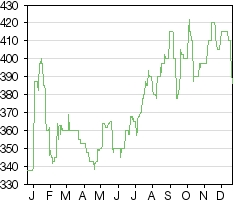
Last close As at 05/08/2026
—
— 0.00 (0.00%)
Market capitalisation
—
Research: Industrials
Following a challenging first half, Cohort has seen excellent order intake in recent months. These underpin anticipated sales for H219 and provide longer-term visibility through some significant multi-year agreements. In addition, the company has bought Chess Technologies, broadening the geographic reach and product range while augmenting growth prospects. The purchase is aligned with the agile growth strategy and was financed through cash and the recently renewed bank facility. Having strongly outperformed its UK defence peers over the last 12 months, the FY20e P/E of 10.7x represents a discount of around 18% to its UK defence peers.
Written by
Cohort |
Strategic Chess move |
H119 results |
Aerospace & defence |
20 December 2018 |
Share price performance
Business description
Next events
Analysts
Cohort is a research client of Edison Investment Research Limited |
|||||||||||||||||||||||||||||||||||||||||||||||
Following a challenging first half, Cohort has seen excellent order intake in recent months. These underpin anticipated sales for H219 and provide longer-term visibility through some significant multi-year agreements. In addition, the company has bought Chess Technologies, broadening the geographic reach and product range while augmenting growth prospects. The purchase is aligned with the agile growth strategy and was financed through cash and the recently renewed bank facility. Having strongly outperformed its UK defence peers over the last 12 months, the FY20e P/E of 10.7x represents a discount of around 18% to its UK defence peers.
Year end |
Revenue (£m) |
PBT* |
EPS* |
DPS |
P/E |
Yield |
04/17 |
112.7 |
14.5 |
27.9 |
7.1 |
13.8 |
1.8 |
04/18** |
111.0 |
15.2 |
29.5 |
8.2 |
13.1 |
2.1 |
04/19e |
125.9 |
16.3 |
32.3 |
9.2 |
12.0 |
2.4 |
04/20e |
150.8 |
18.9 |
36.1 |
10.1 |
10.7 |
2.6 |
Note: *PBT and EPS are normalised, excluding amortisation of acquired intangibles, exceptional items, and tax credits of 1.30p in FY17 and 0.59p in FY18. **FY18 restated for IFRS 15 adoption from start of FY19.
Robust revenue performance in H119
Cohort entered FY19 with a lower than normal level of order cover of 46% compared to 55% in each of the previous two years. The H119 revenue performance should be seen as robust in this context. Sales declined by 10.3% and adjusted operating profit by 70%, largely reflecting project timing and lower overhead recovery. Reported dividend per share was 2.85p (H118 2.55p), a 12% increase in line with the group’s progressive dividend policy. Net cash of £4.7m (H118 £5.7m) was down from £11.3m at FY18. Adoption of IFRS 15 led to a 0.5p reduction in restated FY18 adjusted EPS, and boosted FY19 by a similar amount.
Chess and order intake underpinning prospects
The strength of order intake in recent months has served to underpin H219 revenues, with multi-year contracts adding visibility for the longer term. There are still several outstanding opportunities that management expect to close in H219. Order cover for H219 at the end of November of 81% is encouraging and the focus is on execution and delivery especially at EID and MCL. Defence spending around the world is turning up again, and we expect to see development of export orders for MASS and EID. The addition of export-oriented Chess is immediately earnings enhancing and we have increased EPS estimates by 3.5% in the current year and 8.6% in FY20. The agility of Cohort’s model remains crucial as UK defence spend remains constrained, in part caused by major equipment procurement programmes.
Valuation: Outperforming defence peers
The significant rise in the share price over the last 12 months delivered a strong outperformance of its UK aerospace and defence peers. The FY20e P/E remains at a c 18% discount to the UK defence peer average. Our fair value, based on capped DCF and peer group sum-of-the-parts (SOP), stands at 530p (previously 549p) which, if achieved, would place Cohort on a c 12% premium to its UK defence peers.
Investment summary
H119 results from Cohort reflect the challenging UK environment, but recent strong order intake leaves second half sales expectations underpinned, with both EID and MCL focusing on executing sizeable H219 opportunities. The company strategy to improve profitability each year, augmenting organic growth with selective M&A, remains unchanged. The acquisition of Chess Technologies for up to £41.9m is aligned with the strategy and enhances what looks to be strengthening organic progress in FY20. Some of the recent contract awards have been important multi-year renewals which provide better medium- to long-term visibility for MASS and EID in particular. SEA is having to manage a slower period of activity, especially for underwater programmes, and is being scaled to address this, awaiting upturns that should come in the next decade. The agile and flexible nature of Cohort’s strategy, combined with the recent refinancing, leaves the company positioned to pursue appropriate complementary opportunities to enhance organic performance.
Agile and innovative defence technology, products and services
After acquiring Chess, Cohort is a holding company for five autonomous and innovative businesses operating primarily in the defence and security markets, with a UK bias that has been progressively diluted by increased exports and the acquisition of EID in Portugal. The addition of Chess with an export bias should increase this further, in addition to providing an initial foothold in the important US defence market. The stable group executive management team provide the strategic and financial guidance that enables the operations to focus on long-term core contracts while retaining the flexibility to address more immediate needs, as well as assist with export pursuits. Subsidiaries are able to maintain entrepreneurial agility while benefiting from exchange of ideas and adoption of best practice. The strategy continues to be delivered successfully, with FY18 adjusted operating profit rising by 8%, and averaging 16% over the least three years despite a relatively flat top line development. Adjusted EPS excluding a 0.59p one-off tax credit rose 10% to 28.90p.
Chess purchase enhances performance
Opening order book cover for FY19 sales was 46%, below the normal 55% to 65% range at the start of most years. As a result, H119 results showed declines, as revenues fell 10% with a 70% reduction in adjusted operating profit largely due to overhead under recovery. The significant progress in order intake since the half year is encouraging. At the start of FY19, £110m of contract renewals and extensions were expected to be awarded, augmented by new domestic and export orders. FY19 order cover has risen to 81% at the end of November and the backlog increased to £135.4m from £108.8m at the half year, with significant further orders expected in H219. The backlog delivery extends into the late 2020s, providing visibility for the longer term. Given current bidding status for several major contracts, the backlog could stand at over £200m by the year end with a record order intake in prospect. Strong cover for H219 sales translates into the challenge to execute on time, with the second half skew to achieve estimates even more marked than in the last few years. Excluding the tax benefit in FY18, and restated for IFRS 15, we expect adjusted EPS to grow 12% in FY19, enhanced by an initial contribution from Chess.
Valuation: Outperforming UK defence peers
Cohort shares have risen by around 17% over the last year, substantially outperforming most UK defence peers. Global defence spending trends have been more supportive for the sector despite domestic budgetary constraint in the UK, yet the prices for many stocks have fallen over 12 months. Our fair value calculation is based on an average of a capped DCF forecast and a calendar 2019-based peer group sum-of-the-parts calculation returns a value of 530p (from 549p previously).
H119 results summary
The adoption of IFRS 15 at the start of FY19 has led to a restatement of H118 and FY19 numbers. H118 revenues are reduced by £0.8m, adjusted operating profit by £0.36m and adjusted EPS by 0.5p. Due to the timing of revenue recognition much of the shortfall was made up in H119, slightly enhancing performance primarily of EID. It should be noted the accounting changes do not affect cash flow.
The salient features of the interim results are as follows:
■
Order intake of £45.6m (H118 £39.2m)
■
Reported closing order book of £108.8m (H118 £132.1m) was up from £102.5m at the start of the year, with £45m to be delivered in H219.
■
By the end of November, this had risen to £135.4m of which £50m is scheduled for delivery by the year end, providing strong order cover of 81% of FY19 consensus forecast expectations.
■
Reported revenues were £39.5m (H118 £44.0m restated for adoption of IFRS 15).
■
Reported adjusted operating profit was £1.0m (H118 £3.3m restated).
■
Reported adjusted EPS was 1.99p (H118 5.80p restated).
■
Reported DPS was 2.85p (H118 2.55p), a 12% increase in line with the group’s progressive dividend policy.
■
Net cash of £4.7m (H118 £5.7m), down from £11.3m at FY18, was lower than expected in part due to inventory build ahead of higher H2 activity.
■
Acquisition of 81.84% of Chess Technologies for total cash consideration of up to £41.9m, including future purchase of the minority holding.
Divisional performance
MASS (H119 sales £16.0m; 41% of group sales, adjusted operating profit of £2.18m) produced a revenue decline due to the completion of Electronic Warfare (EW) support work for an export customer. Training support work for the UK Ministry of Defence (MOD) has also declined. New business has been secured under contract and will begin in H219. MASS was selected in October as preferred bidder to provide technical support to a key UK MOD operational requirement. In addition, the business is continuing to see growth in its cyber operations. Overall, MASS’s FY19 revenue expectations are 80% underpinned by the current order book, through conversion of which the company expect to deliver growth year-on-year.
SEA (H119 sales £14.3m; 36% of group sales, adjusted operating profit of £0.38m) saw a moderate decline in revenues, largely due to project timing. In H119, the business had lower submarine revenues and completed a Transport for London project. Meanwhile, ROADflow sales saw positive momentum and oil & gas revenues were flat in the same period. Planned restructuring was completed in H119 at a cost of £0.5m and projected annual saving of £1.0m. Once again, the order book strength, including £17m to be delivered in H219, lends support for FY19 growth year-on-year.
EID (H119 sales £3.7m; 9% of group sales, adjusted operating loss of £0.27m) performance reflected timing issues in both naval and tactical (land) divisions. While some major projects completed in FY18, there were also order delays. However, the defence market backdrop in Portugal is supportive of upgrade system work plus the order book already supports a return to profitability in H219 and for the FY19.
MCL (H119 sales £5.5m; 14% of group sales, Adjusted operating profit of £0.03m) revenue and operating profits were below expectations, reflecting lower margin/higher volume activity for the UK MOD plus an order cancellation. MCL has been building its order book and looks set to deliver growth year-on-year.
Acquisition of Chess Technologies
Cohort also announced on 12 December the acquisition of 81.84% of Chess Technologies, from existing cash and financing facilities. The outline of the deal timing and financial conditions are as follows:
■
Initial consideration of £20.1m for 81.84%, payable on completion.
■
Additional earn-out for selling shareholders of up to £12.7m based on revenue performance to 30 April 2021.
■
Acquisition of remaining shares (18.16%) for up to £9.1m after 30 April 2021. This will be based on the company’s order book and EBIT performance.
Chess was founded in 1993, employs over 140 people and is based in Horsham (UKHQ), Plymouth (UK), Wokingham (UK) and Denver, Colorado (US). The business has two operating units: Chess Dynamics Ltd and Vision4ce Ltd. The core technology focus is providing a suite of surveillance and fire control systems for defence programmes and commercial infrastructure projects. With around one third of FY18 revenues from the UK, Chess brings to Cohort a broad geographic reach including, importantly, access to the growing US defence market for the first time.
Chess has a diversified client base, with over 100 customers and not more than 15% of company revenues from any one customer. FY18 (30 April year end) revenues were £18.2m (FY17 £16.5m) and FY18 EBIT of £2.4m (FY17 £1.6m). The closing order book at 30 April 2018 was £31.2m (FY17 £28.2m) and supports further growth in FY19.
Assuming a WACC of 8% and a tax charge of 17%, Chess will have to increase EBIT to over £4m to create value, should the earn-out agreement be payable in full.
As a Tier 1 or Tier 2 supplier Chess only sells 34% of its primarily product-based offering to UK-based customers, some of which goes on systems exported indirectly. The US presence is the first foothold for Cohort in the defence market, which may enable it to raise awareness of its capabilities and offerings across the rest of the divisions. There is a modest commercial element of 6% of sales, but the focus is on defence and security markets.
|
Exhibit 1: Chess Technologies FY18 sales by region |
Exhibit 2: Chess Technologies FY18 sales by segment |
|
|
|
Source: Cohort |
Source: Cohort |
|
Exhibit 1: Chess Technologies FY18 sales by region |
|
|
Source: Cohort |
|
Exhibit 2: Chess Technologies FY18 sales by segment |
|
|
Source: Cohort |
The products offered have a good balance between naval and land, with the custom products relating to radar control systems. There is also a growing C-UAS (counter unmanned air systems) offering, which is an area of significant interest and where Chess has demonstrated operational capability.
Outlook
We have adjusted our earnings assumptions to reflect three factors: a modest boost from IFRS 15, an adverse trading mix largely at EID and the benefit of consolidating Chess, which will be immediately earnings enhancing. The changes are reflected in Exhibit 3:
Exhibit 3: Cohort earnings estimates revisions
Year to April (£m) |
2019e |
2020e |
||||
|
Prior |
New |
% change |
Prior |
New |
% change |
MASS |
39.8 |
39.8 |
0.0% |
42.2 |
43.4 |
2.9% |
SEA |
38.2 |
38.2 |
0.1% |
40.1 |
38.9 |
(2.9%) |
MCL |
19.7 |
22.0 |
11.7% |
20.9 |
20.9 |
0.1% |
EID |
20.8 |
18.0 |
(13.5%) |
21.6 |
26.6 |
23.1% |
Chess |
|
8.0 |
|
|
21.0 |
|
Total group revenues* |
118.4 |
125.9 |
6.4% |
124.8 |
150.8 |
20.9% |
|
|
|
|
|
|
|
EBITDA |
17.3 |
17.8 |
3.3% |
18.3 |
21.1 |
15.1% |
|
|
|
|
|
|
|
MASS |
7.6 |
8.0 |
5.8% |
8.0 |
8.0 |
(0.4%) |
SEA |
4.6 |
5.2 |
13.4% |
4.8 |
5.4 |
12.5% |
MCL |
2.4 |
2.3 |
(3.1%) |
2.5 |
2.0 |
(20.6%) |
EID |
4.4 |
3.0 |
(31.6%) |
4.5 |
4.6 |
0.8% |
Chess |
|
1.0 |
|
|
2.6 |
|
HQ other and intersegment |
(2.8) |
(2.9) |
4.2% |
(2.8) |
(3.0) |
7.8% |
EBIT (pre PPA amortisation) |
16.1 |
16.6 |
3.0% |
17.1 |
19.6 |
14.6% |
|
|
|
|
|
|
|
Underlying PTP |
16.0 |
16.3 |
1.6% |
17.0 |
18.9 |
11.3% |
|
|
|
|
|
|
|
EPS - underlying continuing (p) |
31.2 |
32.3 |
3.5% |
33.2 |
36.1 |
8.6% |
DPS (p) |
9.2 |
9.2 |
0.0% |
10.1 |
10.1 |
0.0% |
Net cash/(debt) |
12.1 |
(16.0) |
N/A |
24.7 |
(6.5) |
N/A |
Source: Edison Investment Research estimates. Note: *After intra-group sales £0.05m.
Adjusting for IFRS and the Chess acquisition, the underlying progress of the continuing activities is now modestly below our previous assumption, but still shows progress on the prior year.
A significant variation is that the company is now forecast to carry net debt of £16m at the year end. While a large part of this is due to the initial consideration payable for the acquisition of Chess, it also reflects the assumption that the group will carry more working capital through its year end in anticipation of higher activity levels in FY20 as it starts to execute significantly increased order backlogs.
The new £30m banking facility that is now drawn to the extent of £25m including £18m for the Chess consideration and carries a net debt/EBITDA covenant of 2.5x, which Cohort remains comfortably within at less than 1.0x.
Company description: Agile and innovative in defence
Cohort provides a holding company structure for five independent autonomous subsidiaries, all of which provide specialist capabilities for varying defence and security niches. Since floating on AIM in 2006, Cohort has been progressively pursuing its strategy of building an independent group through both organic growth and bolt-on acquisitions. Before acquiring the defence oriented Chess, the group remained a predominantly defence and security company (89% of FY18 sales), with small positions servicing markets in oil & gas (2%), transport (5%) and other commercial markets (4%, including education). In FY18, product sales accounted for 29% of group revenues, customised systems and sub-systems for 27% of revenues and services for the balance of 44%.
Exhibit 4: Cohort businesses and core capabilities (before Chess)
Cohort business |
|||||
Products, systems and services |
EID |
MASS |
MCL |
SEA |
|
Maritime combat systems (FY18 revenues £31.4m) |
Ship and Submarine Communication Systems |
X |
X |
||
Combat System Data Networks |
X |
||||
Message Handling Systems |
X |
||||
Acoustic Arrays |
X |
||||
Hydrophones and Transducers |
X |
||||
Echosounders |
X |
||||
Portable Underwater Communications |
X |
||||
Torpedo, Acoustic Decoy and Sonobuoy Launcher Systems |
X |
||||
Weapons Handling Systems |
X |
||||
C4ISTAR (£34.0m) |
Tactical Radio and Intercom Systems |
X |
X |
||
Field Communications |
X |
||||
Military Message Handling Systems |
X |
||||
Specialist User Communications |
X |
||||
Military Hearing Protection |
X |
||||
Tactical Situational Awareness |
X |
||||
Small Unmanned Air Systems |
X |
||||
Counter UAV Systems |
X |
||||
Electronic Warfare Operational Support |
X |
||||
Electronic Warfare Data Management |
X |
||||
Countermeasures Development |
X |
||||
SIGINT Systems, ELINT and COMINT, and ESM |
X |
X |
|||
Simulation & training (£9.4m) |
Simulation Applications |
X |
|||
Procedural Training Solutions |
X |
||||
Virtual and Augmented Reality |
X |
||||
Electronic Warfare and Cyber Training |
X |
||||
Electronic Warfare COMINT Simulation |
X |
||||
Strategic Level Exercise Support |
X |
||||
Strategic Analysis and Education |
X |
||||
Cyber security & secure networks (£15.6m) |
Information Assurance |
X |
|||
Cyber Essentials and GDPR Certification |
X |
||||
Digital Operations Centres |
X |
||||
Secure ICT Networks |
X |
||||
Classified Mission Networks |
X |
||||
Information Management Services |
X |
||||
Digital Forensics |
X |
||||
Research, advice & support (£6.7m) |
Contract Research and Development |
X |
|||
Research Management |
X |
||||
Technical Advice and Support |
X |
||||
Capability Development |
X |
||||
Soldier Systems |
X |
||||
Air Systems |
X |
||||
Human Factors & Ergonomics Services |
X |
||||
Source: Company reports
Strategy remains consistent
The growth strategy remains underpinned by the business model that focuses on the progressive and innovative development of the core defence and security capabilities of the group.
The strategic goal of Cohort is to build on the agility and innovation of smaller, more entrepreneurial business models while providing the stability of a larger company with shared skillsets and knowhow, broader and enhanced market access, combined with a stronger financial position. There are three key strategic objectives that form the basis for profitable growth while maintaining stakeholder confidence:
■
Organic growth – to be delivered through assured execution for customers, innovative and responsive engagement, identification of new opportunities and development of high quality and high performance leadership teams across the group.
■
Acquisitions – M&A remains a key element for Cohort as it seeks a proactive engagement with potential targets to demonstrate benefits from financial, structural and cultural aspects.
■
Maintain confidence – with disciplined financial control, an evolving strategic approach, clear and consistent messaging to stakeholders, and a rapid, responsive attitude should issues arise.
On the last point, following the deemphasising of SCS in FY18 as its activity base dwindled, management has taken action to reduce overheads at SEA by £1m per annum, where a hiatus in UK submarine expenditures is anticipated to last until 2020.
The FY19 strategic priorities remain consistent with recent periods and the strategic objectives. For organic growth the focus is on executing identified opportunities, investing in technology, the cost reduction at SEA, developing talent and improving communications. For M&A, the renewal of the group’s financing has already been achieved and the active search for appropriate value-creating acquisitions continues, with Chess clearly aligned with this intention. In terms of financial control, the SEA reporting system has been replaced, and the same system is now being implemented at MASS.
Group overview
Cohort remains a predominantly UK oriented company, although following the acquisition of EID in Portugal in 2016, with its own strong export activity, more than 30% of sales are now generated from overseas markets. That compares to less than 20% in FY16. The acquisition of Chess should increase the non UK revenues to over 35%.
|
Exhibit 5: Revenue by geography (FY18 £111.8m*) |
Exhibit 6: Revenue by market segment (FY18 £111.8m*) |
|
|
|
Source: Company reports * prior to IFRS15 restatement |
|
Exhibit 5: Revenue by geography (FY18 £111.8m*) |
|
|
Source: Company reports * prior to IFRS15 restatement |
|
Exhibit 6: Revenue by market segment (FY18 £111.8m*) |
|
|
Source: Company reports * prior to IFRS15 restatement |
Most of the commercial revenue is generated in the UK, although the transport systems activity has an element of export, notably to the US. The group provides technical expertise and services across its divisions in addition to product and system sales.
|
Exhibit 7: Revenue by customer |
Exhibit 8: Revenue by type of deliverable |
|
|
|
Source: Company reports Note: *Prior to IFRS 15 restatement. |
|
Exhibit 7: Revenue by customer |
|
|
Source: Company reports Note: *Prior to IFRS 15 restatement. |
|
Exhibit 8: Revenue by type of deliverable |
|
|
Source: Company reports Note: *Prior to IFRS 15 restatement. |
Many of Cohort’s contracts are fixed price in nature and these often include an element of technology development. The company holds risk and builds contingency into its projects, which if successfully delivered can be unwound, typically at the year end. With a fixed overhead base, this can tend to skew H1/H2 performance. This can be seen in Exhibit 9. We expect that this historical second half weighting will continue in FY19, and indeed to be an even greater proportion than in recent years.
|
Exhibit 9: Cohort quarterly profile of group revenue |
|
|
Source: Company reports |
Part of the strategy has been to stabilise and build out visibility. Order cover is typically in the range of 55–65% at the start of any given year. Cohort can also operate with an increasing level of shorter-term contracts, which can be supportive at the operating margin level but may not be visible in order book charts.
In part this was due to lower order cover at the start of FY19 (45%) with several major long-term support contracts unwinding in FY18 and due for renewal this year. Management indicated at the preliminary results that they expected £110m of order retentions and renewals in FY19, and that order cover had already increased to c 53%. By the end of Q119 the group order book had risen to £104.5m from £102.5m at the start of the year, with FY19 order cover of 60%. While still slightly below the prior year, management indicated that positive discussions with several customers about important order opportunities were ongoing. At the FY18 results and in the AGM statement Cohort cited five key contracts that were considered major prospects for FY19. By the end of November, two more of these had been awarded lifting the backlog at the end of November to £135.4m. The remaining three are in preferred bidder status. They were as follows:
Exhibit 10: Major order prospects for FY19
FY19 value |
Long-term value |
Status |
|
UK MOD Strategic Systems (MASS) |
Low |
High |
Preferred bidder subject to final negotiation |
Middle East Typhoon EW Support (MASS) |
High |
High |
£20m 7-year contract booked in November |
Southeast Asia Thurbon Sale (MASS) |
High |
Low |
Preferred bidder |
UK Submarine Tactical Intelligence (MCL) |
Low |
High |
Single source invitation to tender due |
Middle East Vehicle Intercoms (EID) |
High |
Medium |
Two contracts awarded 13 November 2018 |
Source: Company reports
The UK MOD strategic systems support eight-year contract is worth £50m with potential for scope expansion. MASS was announced as preferred bidder subject to final negotiation in late October. The work has been carried out by MASS since 2000 and would be renewed until 2027 with one-year renewal options potentially extending this until 2031. In November, MASS also won a separate £3.8m, 18-month business analysis support contract for the MOD.
EID’s €11m order for vehicle intercom systems from existing Middle East customers was also awarded in November and will be supplied over the next two years. The export contract followed an award for EID in early October of a €4.8m contract to supply communication equipment on 139 VAMTEC 4X4 light armoured tactical vehicles for the Portuguese Army.
There have also been other significant order wins for SEA announced since the start of Q319. A contact worth £5m to provide support for maritime equipment for the UK Royal Navy was announced in November. In early October, SEA was awarded a contract by Network Rail in the UK worth over £3m to supply its Metro Red Light enforcement system at selected level crossing sites.
All of these order wins should increase order backlog to over £200m by the year end with an extended delivery schedule stretching out to beyond 2025. The importance of the renewed strength of Cohort’s order book progression is the underpinning it provides both for the current year and in the longer term.
Exhibit 11 gives a picture of the visibility of the order book across the divisions.
|
Exhibit 11: Delivery of the group’s order book into revenue (£m) (before Chess) |
|
|
Source: Company reports |
Market opportunities
Cohort has longstanding relationships with the UK MOD across many different business areas. The existing programmes in submarines and combat aircraft electronic warfare operational support (EWOS) remain stable, long-term in nature and operationally important.
The defence spending environment in the UK remains a potential opportunity with headlines of increased availability of budget, although there is enormous competition for the allocation of funding. While this is nothing new, the ability of Cohort to provide value for money, responsive and flexible solutions and service propositions appears to be continuing.
Defence spending cash outturn in the fiscal year to April 2018 was £36.9bn, up from £35.3bn in the previous year but well below the higher levels seen around the turn of the decade of around £40bn. It is planned to increase by over £1bn in both the current fiscal year and 2019/20 to reach £38.8bn, a real annual average increase of 1.4%.
Last year personnel cost accounted for 37% of UK defence spending, equipment for 22% and infrastructure accounted for 2%. Other costs, including operations and maintenance, accounted for 39%.
While the UK meets both the NATO targets for defence spending (>2% of GDP with >20% equipment procurement), wiggle room is limited. Procurement budgets inevitably get pressurised by major equipment purchases notably by the Royal Navy and Royal Air Force at present. The net incremental cost of military operations rose to £800m last fiscal year from extremely low levels seen in the previous two years, but still well below the levels seen over the preceding decade.
Cohort’s challenge is to maximise its opportunities in the still constrained budgetary environment which can defer planned spending on programmes, for example submarines, while also responding to operational requirements, although these remain at a lower level than in recent history.
In Portugal, neither of the NATO targets is currently being met, although growth in defence expenditure is apparent. As already noted, order intake for EID has been encouraging both domestically and from an export perspective.
Prospects in the Rest of the World are unlikely to diminish as the regional tensions in Asia Pacific and elsewhere continue to exercise several governments. Defence expenditure is on a rising trend globally and Cohort continues to develop relationships from both its UK and Portuguese operations.
Divisional overview
After the adoption of IFRS 15, the acquisition of Chess and some performance changes in divisional mix, our divisional estimates for Cohort are now as follows:
Exhibit 12: Cohort divisional estimates £m
FY17 |
FY18** |
FY19e |
FY20e |
|
Revenues |
||||
MASS |
32.5 |
37.6 |
39.8 |
43.4 |
SCS* |
5.0 |
- |
- |
- |
SEA |
44.4 |
37.8 |
38.2 |
38.9 |
MCL |
14.8 |
17.4 |
19.7 |
20.9 |
EID |
16.0 |
18.3 |
18.0 |
26.6 |
Chess |
- |
- |
8.0 |
21.0 |
Total |
112.7 |
111.0 |
125.9 |
150.8 |
Adjusted operating profit |
||||
MASS |
5.9 |
7.1 |
7.6 |
8.0 |
SCS* |
-0.5 |
- |
- |
- |
SEA |
5.3 |
4.4 |
5.2 |
5.4 |
MCL |
2.1 |
2.1 |
2.3 |
2.0 |
EID |
4.2 |
4.3 |
3.0 |
4.6 |
Chess |
1.0 |
2.6 |
||
HQ & Other |
-2.5 |
-2.7 |
-2.9 |
-3.0 |
Total |
14.5 |
15.2 |
16.6 |
19.6 |
Adjusted operating profit margin |
||||
MASS |
18.2% |
18.9% |
20.1% |
18.4% |
SCS* |
-9.1% |
|||
SEA |
11.9% |
11.7% |
13.6% |
13.9% |
MCL |
13.9% |
11.9% |
10.5% |
9.6% |
EID |
26.4% |
24.5% |
16.6% |
17.2% |
Chess |
12.5% |
12.5% |
||
Total |
12.9% |
13.7% |
13.2% |
13.0% |
Source: Cohort reports, Edison Investment Research estimates. Note: *SCS business was restructured into MASS and SEA in December 2016, ** restated under IFRS 15 from FY18.
MASS
|
Exhibit 13: MASS overview |
|
|
Source: Company reports |
MASS was founded in 1983 and was acquired by Cohort in August 2006 for £13m. Employing c 250 people, MASS operates from sites in Lincoln and St Neots. MASS provides the core capabilities in Cohort’s electronic warfare (EW) and information and communications technology (ICT) service offerings. It delivers customised integrated solutions that enable customers’ operational effectiveness. It serves the defence, government, education and commercial markets, and includes Cohort’s developing cyber capability.
MASS is the group’s most profitable business, with longstanding client relationships providing tailored and integrated solutions. At the core of the EW offering is the Thurbon database, which provides effective analysis, storage and management of data. Contract length can also be quite long, as demonstrated with the recent £20m export contract for EWOS. Under the contract MASS would provide support service to the MOD including operational analysis studies, IT infrastructure management, modelling and simulation, and software engineering until 2027. There are also export opportunities for these core competences of MASS.
The area of cyber has also driven growth for the division and helped to boost margin performance. This includes the digital forensics service to the UK Metropolitan Police Service. The division is also expanding its service offering to other forces.
SEA
|
Exhibit 14: SEA overview |
|
|
Source: Company reports |
SEA was formed in 1988 and acquired by Cohort in October 2007 for £25m. SEA employs c 300 people in Beckington, Bristol, Barnstaple and Aberdeen. The maritime defence and research operations are focused primarily on the UK MOD however export opportunities are being explored. Exhibit 14 gives an important insight into the change in business mix for the SEA division over recent years primarily due to three factors.
First, Maritime defence is a key focus of the division in the areas of communication systems, sonar and weapons launch. The company’s External Communications System (ECS) is in service with the UK Royal Navy’s operational and planned submarine fleet (including Dreadnought Class). However, the business is still in a natural lull as the work on Astute finishes and before the full transition work from Vanguard to Dreadnought begins. Core to the system is its open architecture, which facilitates low-cost upgrades and replacement of the radios it controls. SEA is working with its sister company EID to develop a combined technology maritime communications system that could be attractive to both UK and export customers. However, activity is expected to remain at low level until significant Dreadnought class work picks up, expected in 2020. There are, however, several export opportunities for SEA’s torpedo launch systems.
Second, there has been pressure on the research and advice business that works closely and exclusively with the UK’s Defence Science and Technological Laboratory (DSTL). Work here covers multiple areas but the business has suffered from delays to budgetary issues which has had an impact on overall divisional performance. The company has taken actions to restructure this business and has also had order success with the Future Individual Lethality System (FILS) contract.
|
Exhibit 15: SEA revenues by business area |
|
|
Source: Company reports |
Third, SEA has seen growth from business away from its core UK MOD contracts. The Transport business provides a complete range of enforcement technologies for roads in London and New York. The ROADflow traffic monitoring and enforcement system has seen strong growth over recent years and remains good, as seen in Exhibit 16. Over 750 traffic enforcement systems have been delivered in the UK and overseas. In early October, SEA won a Metro Red Light contract worth over £3m to supply enforcement systems at level crossings for Network Rail, further extending the family of products. While the group will remain focused on defence markets at its core, however it is encouraging to see how the business is leveraging growth from commercial markets.
|
Exhibit 16: ROADflow unit sales in UK and USA |
|
|
Source: Company reports |
Management has spent £0.5m in the first half of FY19 to reduce overheads by £1m per annum, including moving all back office staff on to a single site in Barnstaple. The benefits from this should be reflected in margin improvement from H219 onwards, and provide some operational leverage when submarine activities pick up in the next decade.
MCL
|
Exhibit 17: MCL overview |
|
|
Source: Company reports |
MCL was established in 1980 and Cohort acquired a controlling 50% plus one share stake for £8.8m in July 2014. Cohort acquired the remaining non-controlling interest in the business in January 2017. Based in Surrey, MCL employs c 30 people and has been supplying specialised and innovative communications and surveillance technologies to meet command, control, communications, computer information systems (C4IS) and intelligence, surveillance, target acquisition and reconnaissance (ISTAR) missions for the UK armed forces since its foundation. It identifies requirements, designs solutions and/or seeks out available technologies to meet them, and supports advanced electronic and surveillance technologies in operation.
A key objective of bringing MCL into the Cohort group was to build up the order book and add visibility to the operations. Revenue visibility for the business is currently around three to six months. As we saw in Exhibit 4, while some contracts may be longer in nature, typically MCL has a higher proportion of shorter cycle orders versus other Cohort divisions.
While MCL supplies the special forces and intelligence agencies, technologies are increasingly also being adopted by the regular army. The customisation of commercial off-the-shelf technologies (COTS) differentiates MCL’s business model from other Cohort group businesses. MCL competes against a range of niche systems suppliers, which are often small private ventures. MCL is also the UK’s leading supplier of hearing protection for the armed forces and has tens of thousands of systems in operation today.
MCL margins reflect the customised, proactive provision of solutions to customers’ needs, although it is currently depressed by the supply of an increased amount of lower margin third-party product.
EID
|
Exhibit 18: EID overview |
|
|
Source: Company reports |
The acquisition of an initial 57% stake in EID was completed on 27 June 2016 with the final 23% acquired in November 2017 for an additional consideration of €3.97m. The Portuguese government is expected to retain a minority stake of 20% hereafter. As part of the agreement the Portuguese government has assigned its dividend rights to Cohort for up to £3m or six years whichever is reached soonest. Andy Thomis and Simon Walther have seats on the board.
Based near Lisbon with a regional office in Indonesia, EID was founded in 1983 and today employs around 140 people. It has an experienced management team and a modern manufacturing facility at its main location. EID has been spending around 10% of sales on self-funded R&D to upgrade its technology, notably to IP-based communications systems. Over the last few years EID has been placing increasing emphasis on higher-margin export markets as budget constraints in Portugal have hit home.
Domestic activity has been focused on longer-term support work providing a recurring stream of revenues, although contracts tend to be relatively short and renewed on a regular basis. Going forward, EID is expected to generate a lower level of revenues from naval support activity. However, the business is expected to see higher contribution from intercom and radio products. EID was awarded a contract by the Portuguese Navy in FY16 for the supply of integrated communications systems to the Tejo Class coastal patrol vessels, worth a total of €4.6m.This contract broadened EID’s role to include the supply of radio equipment, ICCS, integration engineering and logistic services. The contract also included additional supplies for the second batch of the Viana do Castelo oceanic patrol vessels, currently being built in Portugal. In November 2018, EID was awarded two contracts for vehicle intercom systems valued at £11m for existing export customers.
In addition to adding Portugal as a home market, EID contributes the strong and growing export market relationships it has developed, both to other NATO Europe countries and further afield, for example Egypt and Indonesia. Over 120 warships now utilise EID’s communications equipment, which can be provided for both new build and upgrade projects. This global presence is expected to stimulate new export opportunities for Cohort’s existing businesses.
Sensitivities: Still constrained UK defence environment
Cohort remains heavily skewed towards the UK defence and security market, notwithstanding the more than 50% increase in overseas and export sales over the last three years, arising primarily from the EID purchase. With the UK budget still constrained, as increased funding is being absorbed by major equipment procurement programmes and other defence costs such as personnel, Cohort’s agile and flexible offer delivering value for money as a specialist and expert solutions provider appears appropriate. The pace of spending and demand for new solutions is also influenced by operational and regional tensions.
■
Export contract visibility and timing: Export contracts tend to offer higher-margin sales and thus can be material in terms of expectations. However, timing of contract award is difficult to predict, so we take a cautious view when forecasting long-term export wins.
■
Rebids, follow-ons and renewals: While there is always a risk with rebids, we note that MASS (formerly SCS) had held contracts to support the UK’s Joint Forces Command and its predecessors continuously since 1996, successfully rebidding in competition multiple times. Follow-on development contracts and renewals also carry levels of uncertainty, although Cohort’s project involvements tend to be stable, long term and operationally committed.
■
Acquisition performance: Management’s ability to successfully integrate and deliver acquisition business cases including potential synergies could affect results. Cohort maintains a rigorous acquisition, management and review process to ensure successful execution.
■
FX movements: Until the acquisition of EID the impact of FX exposure was quite limited. EID introduces a modest element of translational exposure to the €/£ rate, as well as some additional $/€ transactional exposure in export markets.
■
Brexit is not expected to be a major issue for Cohort, by nature of its business and geographies. It has little existing direct UK to Europe activity and EID adds direct access. Most of Cohort’s non-EID European business relates to NATO activity.
Valuation
We continue to derive a fair value for Cohort from the simple average of a capped DCF and a peer-based group SOP. The current value is 530p (from 549p), equivalent to a P/E ratio of 14.7x our FY20e EPS, which represents a c 35% premium to the current share price and equates to a c 12% P/E premium to the UK defence sector. We feel that this is warranted by the continuing growth in EPS and dividend, as well as the maintenance of strong group margins and operational cash flows. The strength of the share price seems justified by these factors, and is likely to be enhanced by the addition of Chess.
Capped DCF valuation
We continue to use our capped DCF methodology to value Cohort. The valuation utilises our forecast cash flows for a period of six years, then assumes zero growth in the terminal value. To reflect the lack of growth, we also normalise capex to depreciation and working capital movements to zero in the terminal cash flow. For Cohort we use a calculated WACC of 7.7% in our base assumption. Our working capital assumptions and lower provision consumption has improved our forecast cash flows. The DCF currently returns a value of 558p per share, adjusted for the full earn out and minority buy out expected in FY21, compared to 550p previously.
For a company such as Cohort where we envisage a continued growth of cash flows due to the strategy of enhancing long-term organic growth in defence markets with selective, value-creating and complementary acquisitions, we feel that such a methodology is inherently conservative for a DCF. We show a sensitivity analysis to terminal growth rate and WACC assumptions in Exhibit 19 below, with the value closest to our calculated levels highlighted.
Exhibit 19: Cohort capped DCF sensitivity to WACC and terminal growth
WACC |
6% |
6.50% |
7.00% |
7.50% |
8.00% |
8.50% |
9.00% |
9.50% |
10.00% |
Terminal growth rate |
|||||||||
0% |
754 |
686 |
627 |
575 |
531 |
491 |
456 |
425 |
397 |
1% |
761 |
691 |
632 |
580 |
535 |
496 |
460 |
429 |
400 |
2% |
768 |
697 |
637 |
585 |
540 |
500 |
464 |
432 |
404 |
3% |
774 |
703 |
643 |
590 |
544 |
504 |
468 |
436 |
407 |
Source: Edison Investment Research estimates
Peer group sum-of-the-parts
We also continue to analyse Cohort on a sum-of-the-parts basis, identifying the nearest peers for each division and calculated on a calendar 2019 basis. We feel that this is appropriate due to the nature of the group with standalone divisions. Given the variable fortunes of peers in the sector we have again significantly reassessed our valuation premiums for the divisions against those used previously. The rationale for the change in premiums is that Cohort continues to display greater resilience in profits, margins and cash flows than many of its peers, where ratings have adjusted to reflect generally company-specific issues. Currently the SOP value is 502p per share, below the previously calculated value of 548p. The addition of Chess at full purchase, full earn-out cost is net neutral in the calculation as it matches adjusted debt. 70% of the reduction in value is due to the greater cash outflow expected in FY19 before the Chess deal. The balance reflects lower multiples applied to modestly adjusted divisional profit estimates (FY19e adjusted operating profit for the continuing businesses £19.5m compared to £19.6m previously).
Exhibit 20: Financial summary
£m |
2017 |
2018 |
2019e |
2020e |
||
Year end 30 April |
IFRS |
IFRS |
IFRS |
IFRS |
||
PROFIT & LOSS |
||||||
Revenue |
|
|
112.7 |
111.0 |
125.9 |
150.8 |
Cost of Sales |
(73.7) |
(72.4) |
(82.1) |
(98.4) |
||
Gross Profit |
39.0 |
38.6 |
43.8 |
52.4 |
||
EBITDA |
|
|
15.7 |
16.4 |
17.8 |
21.1 |
Operating Profit (before amort. and except.) |
14.5 |
15.2 |
16.6 |
19.6 |
||
Intangible Amortisation |
(11.3) |
(5.3) |
(11.7) |
(7.3) |
||
Exceptionals |
(2.3) |
(0.3) |
(1.6) |
0.0 |
||
Other |
0.0 |
0.0 |
0.0 |
0.0 |
||
Operating Profit |
1.0 |
9.6 |
3.3 |
12.3 |
||
Net Interest |
0.0 |
(0.1) |
(0.3) |
(0.7) |
||
Profit Before Tax (norm) |
|
|
14.5 |
15.2 |
16.3 |
18.9 |
Profit Before Tax (FRS 3) |
|
|
1.0 |
9.5 |
3.0 |
11.6 |
Tax |
1.1 |
(1.4) |
(0.5) |
(1.9) |
||
Profit After Tax (norm) |
12.8 |
12.7 |
13.7 |
15.8 |
||
Profit After Tax (FRS 3) |
2.1 |
8.1 |
2.5 |
9.8 |
||
Average Number of Shares Outstanding (m) |
40.4 |
40.7 |
40.7 |
40.7 |
||
EPS - fully diluted (p) |
|
|
27.6 |
29.2 |
32.0 |
35.7 |
EPS - normalised (p) |
|
|
27.9 |
29.5 |
32.3 |
36.1 |
EPS - (IFRS) (p) |
|
|
1.5 |
18.4 |
5.4 |
21.5 |
Dividend per share (p) |
7.1 |
8.2 |
9.2 |
10.1 |
||
Gross Margin (%) |
34.6 |
34.8 |
34.8 |
34.8 |
||
EBITDA Margin (%) |
13.9 |
14.7 |
14.2 |
14.0 |
||
Operating Margin (before GW and except.) (%) |
12.9 |
13.7 |
13.2 |
13.0 |
||
BALANCE SHEET |
||||||
Fixed Assets |
|
|
60.6 |
54.9 |
85.1 |
77.1 |
Intangible Assets |
50.6 |
45.3 |
66.7 |
59.4 |
||
Tangible Assets |
9.9 |
9.6 |
18.4 |
17.8 |
||
Investments |
0.0 |
0.0 |
0.0 |
0.0 |
||
Current Assets |
|
|
56.3 |
60.8 |
47.0 |
56.7 |
Stocks |
5.3 |
7.3 |
10.3 |
11.5 |
||
Debtors |
37.8 |
32.5 |
32.7 |
39.2 |
||
Cash |
12.0 |
20.5 |
3.5 |
5.5 |
||
Other |
1.2 |
0.5 |
0.5 |
0.5 |
||
Current Liabilities |
|
|
(39.7) |
(38.9) |
(21.2) |
(25.1) |
Creditors |
(36.1) |
(29.7) |
(21.2) |
(25.1) |
||
Short term borrowings |
(3.5) |
(9.2) |
0.0 |
0.0 |
||
Long Term Liabilities |
|
|
(3.2) |
(1.9) |
(42.0) |
(34.0) |
Long term borrowings |
(0.0) |
0.0 |
(19.5) |
(12.0) |
||
Other long term liabilities |
(3.2) |
(1.9) |
(22.6) |
(22.1) |
||
Net Assets |
|
|
74.0 |
74.9 |
68.9 |
74.6 |
CASH FLOW |
||||||
Operating Cash Flow |
|
|
2.4 |
15.7 |
4.1 |
18.0 |
Net Interest |
0.0 |
(0.1) |
(0.3) |
(0.7) |
||
Tax |
(1.7) |
(2.4) |
(2.6) |
(3.2) |
||
Capex |
(0.9) |
(0.7) |
(1.8) |
(0.8) |
||
Acquisitions/disposals |
(9.1) |
0.0 |
(23.3) |
0.0 |
||
Financing |
0.5 |
(0.8) |
0.0 |
0.0 |
||
Dividends |
(2.5) |
(3.0) |
(3.4) |
(3.9) |
||
Other |
0.0 |
(6.0) |
0.0 |
0.0 |
||
Net Cash Flow |
(11.4) |
2.6 |
(27.3) |
9.5 |
||
Opening net debt/(cash) |
|
|
(19.8) |
(8.5) |
(11.3) |
16.0 |
HP finance leases initiated |
0.0 |
0.0 |
0.0 |
0.0 |
||
Other |
0.0 |
0.2 |
0.0 |
0.0 |
||
Closing net debt/(cash) |
|
|
(8.5) |
(11.3) |
16.0 |
6.5 |
Source: Cohort, Edison Investment Research. Note: Restated for IFRS15 from 2018, EPS includes historic one-off tax credits.
|
|||||||||||||||||||||||||||||||||||||||||||||||
|
|
Sosandar, the celebrity-endorsed women’s fashion brand, benefits from a simple and scalable capital-light online model, a fast-growing affluent customer base and a robust pipeline of new styles introduced each month. The company is achieving impressive growth across all key performance metrics and has a solid balance sheet to support its rapid expansion in the UK and, we believe, internationally over the medium term.