Is Private Equity
Written by
Is Private Equity |
Economic headwinds continue |
Update after FY15 results |
Investment companies |
15 March 2016 |
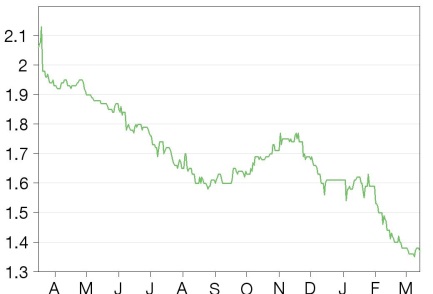
Share price performance
Business description
Next event
Analysts
Is Private Equity is a research client of Edison Investment Research Limited |
|||||||||||||||||||||||||||||||||||||||||||||||||||||||||||
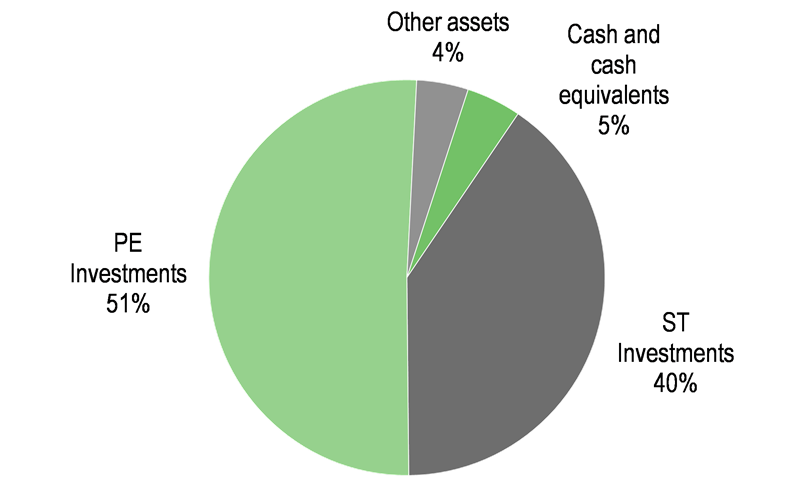
Is Private Equity (ISGSY) seeks to provide capital gains and attractive dividends from making private equity (PE) investments in Turkish companies. Market conditions were challenging for investee companies in 2015 and the fair value of its PE investments fell by c 5%, although still higher than the initial investment costs. Investment income from its other investments resulted in flat NAV per share before dividend payments. ISGSY’s PE investments amounted to 51% of total assets at year-end 2015, from 38% at end 2014, as it added to one PE holding and made one new acquisition. It has a relatively immature PE portfolio and we do not anticipate disposals in the near term, although it did sell a small part of a stake in one holding during the year to a strategic investor. ISGSY could have paid a 2015 cash dividend out of retained earnings but, given the exceptionally low level of profits and the current level of economic uncertainty, it decided not to and retain the cash for new investment opportunities.
To 31 December 2015 |
Price total return |
NAV total return* |
LPX Direct Index TR |
BIST 100 Index TR |
One year |
(23.2) |
0.7 |
30.9 |
(14.1) |
Three years |
(2.0) |
49.4 |
115.6 |
(2.4) |
Five years |
59.4 |
115.9 |
156.6 |
20.8 |
Seven years |
421.9 |
159.2 |
400.4 |
211.4 |
Source: ISGSY and BIST 100 Index TR from Bloomberg. Note: LPX Direct is a global index of listed private equity companies that pursue a direct private equity investment strategy. All data calculated in TRY. *ISGSY NAV is at fair value.
NAV flat after dividend payment
NAV at 31 December 2015 was TRY255.1m, down TRY9.3m (4%) on the end-2014 figure. Fair value losses on its PE portfolio amounted to TRY4.7m (c 5% of the opening total) and administrative expenses amounted to TRY9.7m. These two items were slightly offset by TRY14.5m of investment income from its holdings of cash and liquid investments and TRY0.8m of gains from a partial sale of its holding in Radore. Dividends paid during the year were TRY10.1m.
Investment flows: Net acquisitions in 2015
At end 2015 ISGSY increased its PE portfolio by TRY28.8m to 51% of its total assets, from 38% the year before, with additional investments made in Ortopro and a new investment made in a travel company, Mika Tur. It made one disposal of part of its holding in Radore to a buyer with experience in the sector, which should contribute to its development.
Valuation: Wide discount continues
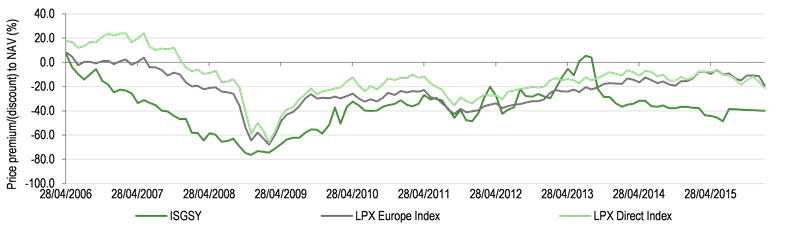
ISGSY’s current discount to NAV of 56% is above its average over the last 10 years of 40% and some 30 percentage points more than global- and Europe-listed private equity companies.
|
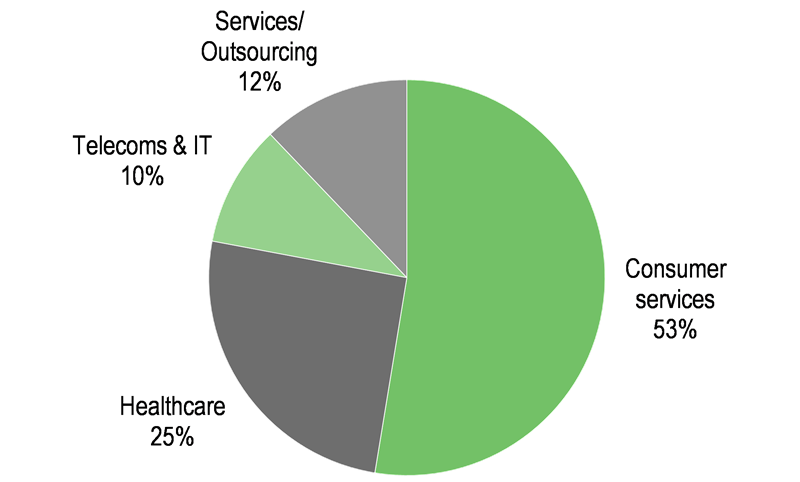
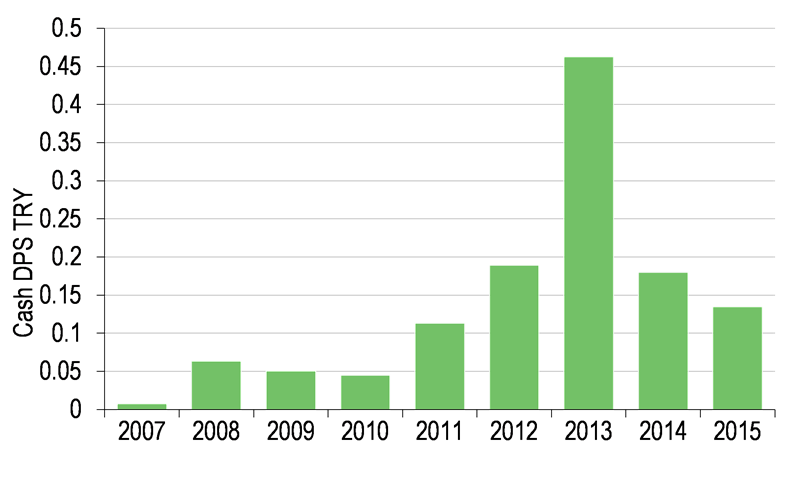
Exhibit 1: Is Private Equity at a glance |
|||||||||||||||||||||||||||||||||||||||||||||||||||||||||||||||||||||||||||||||||||||||||||||||||||||||
|
|||||||||||||||||||||||||||||||||||||||||||||||||||||||||||||||||||||||||||||||||||||||||||||||||||||||
|
Source: ISGSY, Bloomberg, Edison Investment Research. Note: Dividend history has been adjusted to account for bonus issues, the last of which increased the share count from 66.6m to 74.7m and was announced at the AGM on 26 March 2014. |
|||||||||||||||||||||||||||||||||||||||||||||||||||||||||||||||||||||||||||||||||||||||||||||||||||||||
Company description
ISGSY is a private equity investor that acquires holdings in the equity of lower-mid market Turkish companies. It was founded in 2002 by Is Bank, one of the largest Turkish banks, which currently has more than 1,300 branches, a market share of 13% and total assets of TRY276bn. ISGSY listed on the Istanbul Stock Exchange in 2004. Is Bank affiliates control around 57% of its shares.
ISGSY focuses on lower-mid private equity transactions where it faces less competition for deals from the large international private equity firms, which prefer larger transactions.
Since its formation, ISGSY has made 17 investments with a total value of US$134m and has made 11 exits, which have realised US$166.9m. The company calculates that the IRR from its exits is 26.5% on a US dollar basis. Currently, the company has six investments with an estimated value of TRY131.9m and TRY114.7m of other investments, mainly private sector and corporate bonds, on its balance sheet. The company has no debt, although its investee companies have.
Investment case
An investment in ISGSY offers:
■
access to the dynamic middle market in Turkey not available on the Istanbul Stock Exchange, which has predominantly larger companies. The Turkish Statistical Institute and Eurostat (2015 SBA Fact Sheet) estimate that Turkish SMEs account for around 54% of the country’s value added (58% in the EU) and since 2009 Turkish SMEs have “fully participated in the upswing of the Turkish economy”;
■
an experienced management team with more than 10 years’ experience in Turkish private equity and a track record of success;
■
the support of Is Bank, one of Turkey’s largest banks, which, along with its affiliates, controls around 57% of the company’s shares. This connection enhances ISGSY’s reputation, brings it business leads and provides a potential lender to its investee companies;
■
ISGSY has plenty of resources on its balance sheet to make additional investments and benefit from the current uncertain economic environment. Even after the acquisition of Mika Tur in 2015, PE investments only account for around 51% of total assets at end 2015; and
■
ISGSY has an attractive valuation, trading at TRY1.52 per share, a c 56% discount to its estimated fair value NAV of TRY3.4.
Investment strategy, process and resources
ISGSY’s strategy is to invest in Turkish lower-mid market companies mainly through taking equity stakes in companies. Among the factors it looks for when making an acquisition are companies in an expansion or later phase, with excellent growth prospects, a strong management team and a sustainable competitive edge. It seeks to add value to these companies by sourcing acquisitions for them, enhancing operational efficiencies, facilitating expansion into new markets and formulating an optimal capital structure. It is sector agnostic and currently prefers transactions in the US$5-20m range where it believes it has a comparative advantage given the recognition of its name in Turkey and the international firms’ preference for larger transactions. ISGSY is looking to invest in niche businesses like data centre management and online travel agency where it believes there are favourable long-term trends.
ISGSY has 11 investment professionals with experience in project finance, consulting, strategic planning, research, corporate finance and the Turkish industry. Most have been at ISGSY for several years and the CEO, Murat Ozgen, has been with ISGSY for 14 years.
ISGSY screens approximately 150-200 opportunities per year and aims to achieve an IRR of
15-20% in US dollar terms with an exit goal between three and seven years. After an initial screening, ISGSY undertakes a detailed assessment, which includes sector research; competitor analysis and benchmarking; management quality reference calls; and financial analysis.
ISGSY investment team members firstly prepare deal entry forms and investment proposal forms regarding the candidate target company and after the approval within the investment team ISGSY employees prepare a report and present it to the investment committee. This makes a recommendation to the board of directors responsible for making the final decision. After a deal has closed, ISGSY monitors its investee company, and places representatives on the investee company’s board until finally a decision is made to exit.
Exhibit 2 shows ISGSY’s investments and exits since its formation. Altogether it has made17 investments totalling US$134m; it has exited 11 and achieved an average IRR on its exits of 26.5% on a US$ basis according to management calculations. It invested US$72.5m on the investments it has exited and earned US$166.9m as exit proceeds, a 2.3x money multiple. According to publically available data (Calpers), ISGSY is the only fund in Turkey with more exit proceeds than total investment amount.
Exhibit 2: ISGSY investments and exits
Sector |
Investment ($m) |
Exit date |
Years owned |
Exit ($m) |
IRR |
ROI |
||
2002 |
ITD |
Telecoms & IT |
1.9 |
2010 |
8 |
4.2 |
11.8% |
128.0% |
Probil |
Telecoms & IT |
3.2 |
2011 |
9 |
4.2 |
3.1% |
31.0% |
|
2003 |
Cinemars |
11.5 |
2006 |
3 |
19.4 |
30.3% |
69.0% |
|
Nevotek |
Telecoms & IT |
3.0 |
||||||
2004 |
Step |
Consumer |
3.5 |
2008 |
4 |
6.8 |
19.0% |
93.0% |
2005 |
Tuyap |
Consumer |
7.0 |
2007 |
2 |
10.8 |
45.8% |
54.0% |
2006 |
Beyaz |
Services |
4.0 |
2008 |
2 |
8.8 |
58.7% |
119.0% |
2007 |
ODE |
Services |
5.0 |
2012 |
5 |
10.5 |
17.0% |
110.0% |
Ortopro |
Healthcare |
14.6 |
||||||
Turkmed |
Healthcare |
2.5 |
2013 |
6 |
0.2 |
N/A |
-90% |
|
2008 |
Dr Frik |
Healthcare |
13.4 |
2011 |
3 |
30.5 |
34.6% |
128.0% |
2009 |
||||||||
2010 |
Havas |
Services |
10.8 |
2012 |
2 |
19.7 |
26.7% |
82% |
2011 |
Aras Kargo |
Services |
9.8 |
2013 |
2 |
51.9 |
165.0% |
428% |
2012 |
Toksoz Spor |
Consumer |
15.9 |
|||||
Numnum |
Consumer |
15.0 |
||||||
2013 |
||||||||
2014 |
Radore |
Services |
7.9 |
|||||
2015 |
Mika Tur |
Consumer |
4.6 |
|||||
Total |
133.6 |
4 |
166.9 |
26.46% |
130% |
Source: ISGSY, Edison Investment Research
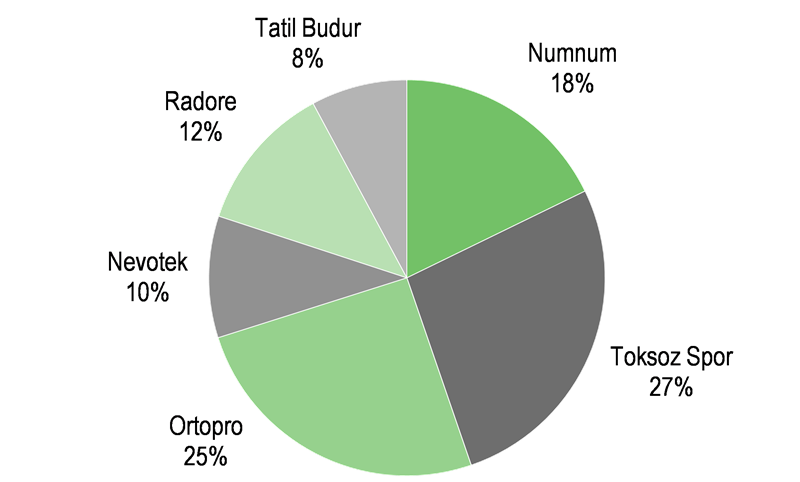
ISGSY currently has six private equity investments, which we show in Exhibit 3 below. The average value of its investments is around US$9m (calculated independently according to IFRS principles), so is within the current preferred investment range of US$5-20m. In one of the six investments ISGSY has a minority shareholding and in one of the investments it has a majority shareholding with a co-investor. It is prepared to consider taking minority positions if it does majority-like deals by getting strong reserved matters and exit provisions. In addition, with minority deals exit alternatives such as IPO and selling back to the majority shareholder are more probable. This gives it an advantage in sourcing deals compared with other firms that are not so flexible.
In 2015 ISGSY increased its holding in Ortopro to 83.64% from 32.5% at a cost of TRY25m. It has become the majority owner now and will change the company’s business model to focus more on direct sales to hospitals, as well as increase exports through expanding its dealer network around the world. Ortopro has appointed a new CEO since ISGSY took majority control.
Exhibit 3: ISGSY private equity investments at 31 December 2015
Acquisition |
Fair value |
Ownership |
Description |
|
Nevotek Telecoms & IT |
30 September 2003 |
13.1 |
81.24% |
Nevotek, headquartered in Turkey, is a global player in IP convergence, covering IP telephony (IPT), IP TV and connected real estate technology for use in hospitality, healthcare, multi-tenanted real estate and public space management. Its platform allows the rapid development of unified applications across voice, data, video and building management. Nevotek has the largest client base in convergent IP with over 150 channel partners and clients in 50 countries, including Holiday Inn, Crowne Plaza, Sheraton, US Air Force, W Hotels, Royal Caribbean, Le Meridien and SABIC. In addition to its core enterprise software business, Nevotek has accelerated developing cloud-based products, which aim to build a recurring revenue model for the company. Nevotek’s cloud products aim to solve customer engagement problems in the hospitality sector. Hotels’ lack of engagement with guests from reservation to check-out results in missing opportunities for additional revenues. Nevotek’s cloud products will help hotels to increase ancillary revenue generation as well as increase customer engagement and satisfaction. |
Ortopro Healthcare |
10 December 2007 |
33.5 |
83.64% |
Ortopro is a Turkish orthopaedic implant company. It runs a modern production facility with 2,750m2 of closed space in Izmir. In addition to sales of its own brands in Turkey and international markets, Ortopro serves as a contract manufacturer to global orthopaedic companies. In 2015 Ortopro generated 45% of its revenues from exports, mainly with its own brand, Covision. It now offers a complete product portfolio to local hospitals through its 66 retailers and direct sales to more than 50 hospitals. Ortopro creates barriers to entry in its manufacturing product groups from its cost advantages and R&D. The Turkish government also provides some price advantages to local producers, which favours Ortopro. The production provides significant cost benefits compared to US and European players due to lower employee costs. Production in Turkey also has the advantage of a skilled labour force and rapid delivery time compared to Far Eastern players. ISGSY has become the major shareholder of the company with 83.64% share in December 2015. |
Toksoz Spor Consumer |
13 November 2012 |
35.5 |
55.00% |
Toksoz Spor is a leading sporting goods retailer and wholesaler in Turkey. It is the Turkey region distributor of global sports brands like Arena, Head, Umbro and O’Neill. Wholesale customers include hundreds of dealers over all of Turkey’s cities, department stores, other sports retailer chains, sports clubs, universities and sports federations. Toksoz Spor sells more than 100 brands in its 37 retail stores in 21 cities. It has become the multi-brand sports retailer with highest floor area (c 27,500sqm) in Turkey after the investment of Is Private Equity. The company’s store number and store area rose by 79% and 69% respectively after ISGSY’s investment. Retail outlets accounted for 64% of total revenue in 2015, from 50% before ISGSY’s investment. The company also sells products under its own brand, Sportive. Sportive sales accounted for 11% of the company’s revenues in 2015. |
Numnum (Istanbul Food and Beverage Group IFBG) Consumer |
5 December 2012 |
23.4 |
61.66% |
Istanbul Food and Beverage Group (IFBG) is a leading Turkish restaurant service and gastronomy company operating under five major brands: Mikla, Numnum, Trattoria Enzo, Terra Kitchen and Kronotrop. Mikla is an upscale fine dining restaurant, at the forefront of Istanbul’s contemporary dining scene, serving new Anatolian cuisine in the historic Pera region. Mikla’s wine menu won an Award of Excellence from the wine magazine Wine Spectator for four consecutive years between 2011 and 2014. Mikla was also awarded the World’s 96th best restaurant in June 2015. Numnum is a full-service casual restaurant chain, serving American/Italian cuisine. It operates 10 successful stores, five in Istanbul (Levent Kanyon, Umraniye Meydan, Bagdat Caddesi, Brandium Atasehir and Akasya Acıbadem), four franchise restaurants in Ankara (Panora, Gordion, Armada and Tepe Prime) and one franchise restaurant in Bursa Podyum Park Mall. Trattoria Enzo opened its doors in 2014 in an upscale shopping mall of Istanbul Akasya AVM, and serves ‘homemade’ Italian food. Terra Kitchen, a casual self-service concept, has the motto ‘eat well, feel good’. Kronotrop is an upscale speciality coffee roastery and bar in three different locations in Istanbul (Cihangir, Maslak Orjin and Allianz Tower) and also operates a roasting facility, R&D and training centre in Maslak, Istanbul. Kronotrop is listed among the top 25 coffee shops by Buzzfeed. |
Radore Services |
1 December 2014 |
16.0 |
25.50% |
Radore provides data centre services in Turkey, including co-location, dedicated cloud, web-hosting and domain sales. Established in 2004, it offers data centre solutions to over 2,000 clients, including both individuals and corporations, to meet the emerging requirements of the growing data processing and internet economy in Turkey. Radore made its first data centre investment in 2005. According to Deloitte Technology Fast 50 rankings, Radore was the fastest-growing data centre in Turkey in 2012, 2013 and 2014, and was among the top 10 fastest-growing technology companies in Turkey in 2012 and 2013. It currently hosts more than 2,100 servers and the investment supports a capacity of up to 10,000 servers. Radore will be one of the largest independent data centre companies in Turkey, in terms of revenues. M Selcuk Sarac, former owner of another data centre company in Turkey, became 16% shareholder in Radore by purchasing shares from Is PE (3%), DGSK PE (3%) and founder Z Kubilay Akyol (10%). Is PE’s IRR in this partial exit was 21.6% in US$ terms. ISGSY expects the data centre market to expand with international demand, in addition to the growing potential in Turkey. The growth in the sector is expected to be driven mainly through corporate companies’ shift from internal to external data centres. ISGSY aims to take Radore a step further in this rapidly growing sector by acquiring new customers and increasing its sales as a result of operational improvements, upgrading services/infrastructure, completing ongoing investments and evaluating new investment opportunities. With the new investments, Radore will be one of the largest independent data centres in Turkey, and consequently in a position to shape the growth in the sector. |
Mika Tur |
6 November 2015 |
10.4 |
20.00% |
Mika Tur markets and sells its services under six general categories: domestic hotels, corporate travel organisations, outbound tourism, flight tickets, cultural tours and transport services. Its main operation is domestic hotel accommodation booking services; it has access to more than 1,305 hotels as of 2015, of which it has exclusivity, guaranteed rooms or price contingencies. It provided services to 730k customers in 2015. Mika Tur’s revenues rose by 26% in 2015. |
Total |
131.9 |
Source: ISGSY, Edison Investment Research
Two of the company’s investments, Nevotek (IP converge) and Ortopro (orthopaedic implants) have international exposure through their international sales, which amount to 98% and 45% of revenue respectively. They could in theory benefit from current economic conditions, in which the value of the Turkish lira has declined sharply, as it could boost their competitiveness in international markets but, if those markets are also slowing down, the increased competitiveness may not boost sales. It should be noted that the current estimated fair value of the private equity investments is higher than the initial investment cost in Turkish lira terms.
The other four investments – Toksoz Spor (sports good retailing), Numnum (domestic restaurants) Radore (Turkish data centres) and Mika Tur – are more focused on the domestic market, but Radore generates 40% of its revenues in US dollars. Toksoz Spor and Numnum are more exposed to consumer spending, so would suffer from any slowdown in GDP growth. Radore is more exposed to technology changes and, even though it is focused on the domestic market, is less sensitive to a slowdown in the economy.
Private equity in Turkey
Economic background
Turkey has a population of 76 million and GDP per capita of c $11k according to World Bank data. It has been a successful emerging market economy over the last 10 years (to 2014), achieving annual GDP growth of 4.3% per year according to OECD statistics, higher than the world average of 3.8%, the OECD average of 1.5% and two of the BRICs, Brazil (3.4%) and Russia (3.5%). However, from 2014 this growth has slowed; prospective annual GDP growth for 2015 is estimated at c 3% (OECD) and in 9M15 it achieved 3.4% (Turkish Statistical Institute). Economic growth is still positive and its budget deficit/GDP ratio was just 0.7% in 2013 and 2014 (Turkish Ministry of Development), better than many EU countries. Turkey’s overall indebtedness is relatively low. Its debt to GDP level was 115.2% at end Q315 (BIS), which compares with 248% for the US, 262.6% for the UK and 269.9% for the euro area. However, Turkey’s economy is facing many short-term challenges, primarily:
■
Turkey depends on overseas financing for its growth. It attracted plenty of funds when interest rates in the developed world were at all-time lows following the financial crisis, but a rise in developed world interest rates rise could reverse these flows, to the detriment of Turkey and other emerging markets. The recent rise in US interest rates has reinforced these concerns. The central bank has kept interest rates high to support its currency and suppress inflation, which was 8.81% in December 2015, higher than Turkey’s 5% central bank target. The high interest rate is not conducive to economic expansion.
■
The decisive national elections in November 2015 resulted in Turkey having firm political leadership at a time when it faces many political and economic challenges. However, the potential move from a parliamentary democracy to a presidential one may require a referendum on constitutional change and then a presidential election, so Turkey still faces an uncertain domestic political situation.
■
Turkey borders many countries facing serious political and economic turmoil. These include Syria and Iraq to the south and Greece to the west, while on the other side of its north coast is Ukraine, currently in dispute with Russia and suffering an economic downturn. Turmoil in these countries reduces the demand for Turkey’s goods and services and, in the case of Syria and Iraq, there are fears that Turkey could become more deeply involved in fighting with ISIS. Turkey’s political problems worsened in November 2015 following the downing of a Russian fighter jet by the Turkish armed forces. Russia has imposed trade sanctions on Turkey as a result. Russia is one of Turkey’s major trading partners, providing 10% of its imports (mainly natural gas and oil) and accounting for 2.6% of its exports in 2015, according to the Turkish Statistical Institute.
Private equity in Turkey: Current situation
Turkey is an entrepreneurial, capitalist society with a history of family-owned businesses. Private equity activity in Turkey started in earnest around the early 2000s and reached a peak in 2008 with investment as a percentage of GDP almost reaching 0.7% in that year, in excess of the European figure of 0.4% according to data from the World Bank, European Private Equity & Venture Capital Association (EVCA) and Deloitte. Private equity investment in Turkey fell after the financial crisis, in line with activity elsewhere, and from 2012 to 2014 has been around 0.25% of GDP, comparable to that of Europe but less than some other emerging markets such as India and China according to data calculated by the Emerging Markets Private Equity Association (EMPA). Deloitte calculates that in 2014 and 2015 there were 88 private equity investments in Turkey with deal volume of around $5.2bn.
As elsewhere, private equity in Turkey is seen as an important way for businesses to obtain finance to grow and for new management and management techniques to be introduced to an existing business. The attractiveness of Turkey as a private equity market has brought many participants to the market, including some of the large US private equity firms and Middle Eastern funds. There are also local operators.
Since its formation, ISGSY has made 17 investments with a total investment value of US$134m. During that period Deloitte estimates that there were 345 private equity investments in Turkey with a total value of US$21.4bn, giving ISGSY a market share of 0.6% by value and 5% by number. This emphasises how ISGSY’s activities are concentrated in the lower-mid market. ISGSY has also been active in exiting its investments. In the last three years it has exited two investments, giving it a market share of exits in this period of 5% according to Deloitte estimates.
ISGSY is actively seeking to make additional investments, but has found that competition from other private equity funds in Turkey, which now amount to no less than 40, plus a reluctance by owners to sell out at what they perceive as low prices in the current environment and lack of visibility over growth prospects have restricted its opportunities over the last three years.
Financials
Balance sheet
ISGSY produces its accounts in accordance with Turkish Accounting Standards (TAS), which, since 1 January 2014, have required it to value its private equity investments at fair value on its balance sheet, with changes in its fair value recorded in the P&L account. This accounting practice brings ISGSY in line with private equity companies in most other countries. Previously, ISGSY was required to fully consolidate the results of its investee companies on a historic cost basis (as adjusted for inflation) and equity account for affiliates in which it had a minority interest.
Exhibit 4 below shows ISGSY’s balance sheet at 31 December 2014 and 2015. At 31 December 2015, private equity investments were 51% of total assets, up from 38% the year before as ISGSY took advantage of favourable investment opportunities to increase its investment in Ortopro and make a first-time investment in Mika Tur. Even after this investment, a large proportion of the company’s assets, 40%, was invested in short-term investments, mainly private sector and government bonds. The latter are recorded at fair value in the balance sheet and are invested in short-term instruments to minimise fair value changes arising from Turkish bond market volatility.
The low proportion of its balance sheet invested in private equity means that ISGSY has the potential to make additional PE investments if it finds the right opportunities. The cash and short-term investments also produce a yield, from which the company can pay its operating expenses and dividend without depleting its capital, which is invested in private equity investments.
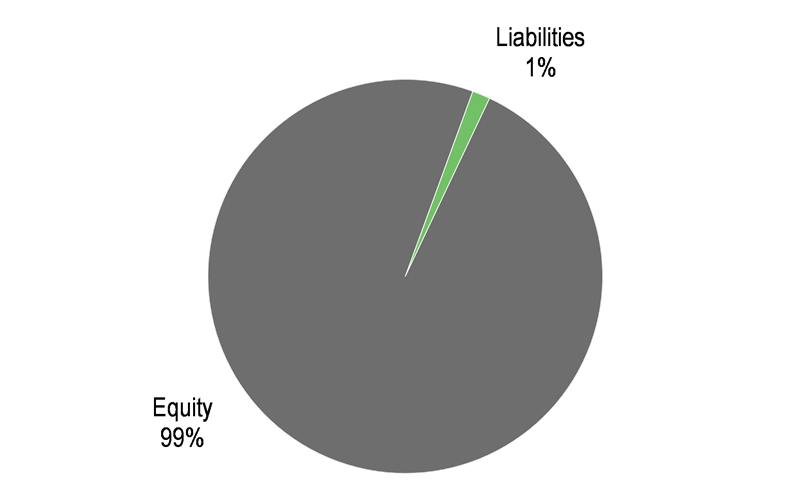
Almost all of the company’s assets are funded by shareholders’ funds; there is no borrowing at ISGSY, although there is some in its investee companies. The segmental accounts of ISMEN, an IS Bank affiliate that owns 29% of ISGSY but consolidates ISGSY in its financials, including ISGSY’s investee companies (Nevotek, Ortopro, Toksoz Spor, Numnum) shows that ISGSY’s financial liabilities amount to around 32% of total assets as of 31 December 2015 (31 December 2014: 25%). This illustrates the scale of borrowing at Nevotek, Ortopro, Toksoz Spor and Numnum.
Exhibit 4: ISGSY balance sheet at 31 December 2014 and 2015
TRYm |
31 December 2014 |
31 December 2015 |
% total 31 December 2014 |
% total 31 December 2015 |
Cash and cash equivalents |
27.1 |
11.6 |
10% |
4% |
Short-term investments |
||||
Private sector bonds |
64.1 |
49.5 |
||
Governments bonds |
36.2 |
27.6 |
||
Investments funds |
22.1 |
22.7 |
||
Shares quoted on stock exchange |
5.4 |
4.7 |
||
127.8 |
104.5 |
47% |
40% |
|
Other |
0.7 |
0.7 |
||
Current assets |
155.6 |
116.8 |
||
Long-term investments |
||||
PE Investments |
103.1 |
131.9 |
38% |
51% |
Other |
10.4 |
10.2 |
||
Non-current assets |
113.5 |
142.1 |
||
Total assets |
269.1 |
258.9 |
100% |
100% |
Liabilities |
4.7 |
3.8 |
||
Equity |
264.4 |
255.1 |
98% |
99% |
-3.5% |
||||
Equity and liabilities |
269.1 |
258.9 |
100% |
100% |
Source: ISGSY, Edison Investment Research
Unquoted investment valuation
ISGSY’s investments are unquoted, so there are no market prices to use in the balance sheet valuation and instead the fair value has to be estimated. ISGSY uses an independent advisory company, Ernst & Young, to determine the fair value of its investments, mainly through the use of discounted cash flow valuations and multiple comparisons. Its valuation models consider the present value of the expected payments, discounted using risk-adjusted discount rates. The expected payments are determined by considering the possible scenarios of forecast earnings before interest, tax, depreciation and amortisation (EBITDA), the amount to be paid under each scenario and the probability of each scenario. Exhibit 5 below shows the discount rates and the terminal annual revenue growth rates by investee company. Unlike other quoted private equity companies, ISGSY does not give details on the EV/EBITDA of its portfolio multiples. The valuations are carried out once a year for the full-year results.
Exhibit 5: ISGSY valuation assumptions for investee companies
Company |
Discount rate % |
Ongoing revenue growth rate % |
Toksoz Spor |
16.6-17.6 |
4.5-5.5 |
Numnum |
16.8-17.8 |
4.0-6.0 |
Nevotek |
11.6-12.6 |
1.6-2.6 |
Radore |
14.1-15.1 |
4.5-5.5 |
Ortopro |
19.1-20.1 |
4.5-5.5 |
Mika Tur |
16.0-22.0 |
7.5-9.5 |
Source: ISGSY
ISGSY has provided some indication of the effects on the fair value of its investee companies from changes in revenue growth, EBITDA growth rate and the discount rate, which we show in Exhibit 6 below. It shows that a 0.5% decrease in revenue growth, a 0.5% decline in EBITDA growth and a 0.5% increase in the risk-adjusted discount rate would lower fair values by TRY15.5m, equal to around 12% of the fair values of the private equity investments.
Exhibit 6: Fair value* sensitivity of IGSY’s private equity investments
TRYm |
Increase |
Decrease |
Annual revenue growth 0.5% change |
4.0 |
(3.6) |
EBITDA growth rate 0.5% change |
4.8 |
(4.8) |
Risk adjusted discount rate 0.5% change |
7.7 |
(7.1) |
Source: ISGSY. Note: *Changes in fair value are recorded in the P&L account.
Profit and loss account
Exhibit 7 below shows ISGSY’s P&L account for 2014 and 2015.
Exhibit 7: ISGSY P&L account
TRYm |
2014 |
2015 |
% change |
Increase/(decrease) FV Toksoz Spor |
4.7 |
(0.2) |
|
Increase/(decrease) in FV Numnum |
(5.0) |
0.5 |
|
Increase/(decrease) in FV Ortopro |
(0.7) |
(1.0) |
|
Increase/(decrease) in FV Nevotek |
0.2 |
(4.2) |
|
Increase in FV Radore |
0.1 |
0.2 |
|
Increase/(decrease) in FV of PE Investments |
(0.7) |
(4.7) |
|
Profit on sale of stake in Radore |
0.8 |
||
Other financial income |
23.5 |
14.5 |
|
Revenue |
22.8 |
10.6 |
(53.6) |
Administrative expenses |
(8.1) |
(9.7) |
19.8 |
Other expenses (net) |
(0.1) |
(0.2) |
|
Profit |
14.6 |
0.7 |
(95.2) |
Average cash and investments (TRYbn) |
171 |
116 |
|
Average assets (TRYbn) |
263 |
264 |
|
Yield on investments (annualised) |
13.7% |
12.5% |
|
Average two-year Turkish T-bill rate |
9.3% |
9.6% |
|
Administrative expense/total assets |
3.1% |
3.7% |
Source: ISGSY, Edison Investment Research
In aggregate, there was a TRY4.7m decline in the fair value of ISGSY’s investee companies in 2015, largely because of a TRY4.2m decline in the fair value of Nevotek, though no explanation has been given of why this occurred. In 2015 ISGSY sold 3% of Radore to an investor, who it expects will be able to contribute to the successful development of the company and has experience in the sector in which it operates.
There is little public information on the trading performance of ISGSY’s investee companies for 2015. Some insight into the current trading performance of ISGSY’s investments can be gleaned from ISMEN’s segmental accounts, which fully consolidate Nevotek, Ortopro, Toksoz Spor and Numnum, and equity account Radore and Mika Tur. Exhibit 8 below shows ISGSY’s consolidated results as they appear in ISMEN’s segmental accounts. As the only corporate actions in 2014 and 2015 were the acquisition of stakes in associates Radore and Mika Tur, the trend in operating profits between 2014 with 2015 does give a fair indication of trading results of Nevotek, Ortopro, Toksoz Spor and Numnum. The accounts show expense growth exceeding revenue growth, mainly due to new investments and expansion of the businesses resulting in rising depreciation, and interest expense charges from rising indebtedness leading to a decline in profits.
Exhibit 8: ISGSY’s consolidated accounts per ISMEN segmental disclosure
TRYm |
2014 |
2015 |
% change |
Revenue |
213.5 |
238.4 |
12 |
Cost of sales |
(135.4) |
(170.8) |
27 |
Gross profit |
78.1 |
67.6 |
(13) |
Expenses |
(79.5) |
(98.5) |
24 |
Operating profit |
(1.4) |
(30.9) |
N/A |
Associates |
(0.3) |
(0.7) |
|
Net finance income |
4.7 |
(7.7) |
N/A |
Profit before tax |
3.0 |
(39.2) |
N/A |
Source: ISMEN
Interest and other income from ISGSY’s non-PE investments was TRY14.5m in 2015 and represented an annualised yield of 13.2%. This was lower than the average return achieved in 2014 of 12.5%, when interest rates were on average similar, but in 2014 market interest rates declined during the year, enabling mark-to-market gains on the bond investments to be earned.
Expenses in 2015 rose 19.8% y-o-y, higher than Turkish inflation of c 8%, with increases in personnel costs (+12%) (the number of personnel was 19 at the of 2015 and 18 at end of 2014), audit and consultancy expenses (+29%), taxes and dues (+93%) and outsourcing expenses (+51%) responsible for nearly 90% of the increase. These items increased because of additional work managing and monitoring the portfolio. Administrative expenses as a percentage of average assets were 3.7% in 2015 compared with 3.1% in 2014.
Dividend policy
ISGSY’s dividend policy is to distribute at least 30% of distributable profit as bonus shares and/or cash. The company has a reputation for paying high dividends. Turkey’s national Ekonomist magazine ranked ISGSY as the second highest-yielding listed stock in the country for the last five-year average in its publication of 21February 2016. Distribution decisions are made by a general assembly of shareholders on proposals put by the board of directors. Among the factors it considers in making its proposals are the income demands of shareholders, the general profitability of the company, the capital requirements of the company to grow its activities and the desire to not prematurely exit an investment before the maximum return is achieved.
Exhibit 1 on page 2 shows the company’s dividend record since 2007. Until 2015, it paid a cash dividend every year since 2007.
ISGSY normally announces a dividend in March/April based on the profits of the previous calendar year, but when it makes a successful exit it also usually announces a one-off dividend.
On 18 March 2015 ISGSY announced a cash dividend payment of TRY0.135 per share (TRY10m), equivalent to c 9% of the current share price, which it paid on 24 March 2015. The payment of TRY10.1m represents 70% of its profit for 2014. ISGSY could have paid a cash dividend for 2015 out of retained earnings but, given the exceptionally low level of profits and the current level of economic uncertainty, it decided not to and kept the cash to benefit from new investment opportunities. It expects that private capital will be more attractive to investee companies in 2016 as it anticipates that the availability of funds from the credit market and public markets will tighten.
Valuation
There are several quoted private equity companies in Turkey but they are not currently included on the Morningstar database, which we use to compare company valuations and is used by the Association of Investment Companies (AIC). Consequently we have chosen to compare ISGSY with a selected group of closed-end private equity funds in emerging markets that do register on the Morningstar database. The information is shown in Exhibit 9.
Exhibit 9: Selection of closed-end quoted emerging market private equity companies
Fund name |
Market cap |
NAV TR |
NAV TR |
NAV TR |
Discount |
Latest ongoing charge |
Adamas Finance Asia |
84.5 |
9.6 |
(77.8) |
(84.5) |
2.1 |
1.7 |
China Assets |
28.6 |
14.0 |
40.9 |
18.4 |
(79.9) |
1.8 |
East Capital Explorer |
113.5 |
(1.3) |
(15.0) |
(34.6) |
(42.9) |
2.8 |
Origo Partners |
1.5 |
1.7 |
(68.3) |
(77.3) |
(95.5) |
5.4 |
Symphony International Holdings |
265.8 |
12.2 |
17.0 |
41.4 |
(46.3) |
1.9 |
Simple average |
98.8 |
7.3 |
(20.6) |
(27.3) |
(52.5) |
2.7 |
Weighted average |
8.8 |
(5.4) |
0.7 |
(39.3) |
2.1 |
|
IS Private Equity |
25.1 |
0.7 |
49.4 |
115.9 |
(56.0) |
3.7 |
Source: Morningstar, Edison Investment Research. Note: Prices at 29 February 2016.
The discount to NAV at which ISGSY is currently trading is higher than the average in this selection, even though the growth in NAV over the last three and five years is noticeably better than most. The discount at which ISGSY is currently trading is higher than listed private equity companies in Europe and globally. In the chart below we show the LPX Europe Index discount and the LPX Direct Index discount; the former measures quote private equity discounts in Europe and the latter globally. ISGSY’s current discount to NAV of 56% is higher than its 40% average over the 10 years and some 30 percentage points more than global- and Europe-listed private equity companies.
|
Exhibit 10: Discount to NAV persists |
|
|
Source: LPX, Bloomberg, company data. Note: NAV from 31 December 2012 is calculated using the fair value of the assets (including private equity investments). Before then, NAV is on the ‘solo’ basis calculated by management that excluded the operating results of its investee companies, which it was required to consolidate by accounting standards then being applied. Although the fair value NAV for 2012 and 2013 differs from that published on a ‘solo’ basis by only 1% before then, the ‘solo’ basis may only give an approximation to fair value. |
Sensitivities
Current uncertainties around long-term Turkish growth
Emerging markets association
Turkey is an emerging market and investors are attracted for the long-term growth prospects that such a market brings. ISGSY offers investors not just the opportunities from being a private equity investor, but also the potential from operating in an emerging market with superior long-term growth potential.
However, in the immediate future, Turkey’s status as an emerging market has a negative connotation for investors. There are concerns that if developed world interest rates rise, investors based in such countries may withdraw money from emerging markets, including Turkey, because they were only attracted by the higher potential returns on offer there. Turkey has been described as one of the “fragile five” emerging markets, which are countries with large current account deficits that rely heavily on external financing, so Turkey has been particularly vulnerable to this sentiment. This would be negative for ISGSY, as it could make the development of its investee companies slower than would otherwise be the case, and it could make profitable exits from investments harder to achieve. On the other hand, a depressed market with firms having problems accessing funds could be in ISGSY’s long-term interests because it may be able to acquire companies at a more beneficial price. It has ample resources to make investments, as PE investments only account for around 51% of its balance sheet with the rest invested in marketable securities. The prospect of rising developed world interest rates has recently diminished, despite the rise in US rates in December 2015, with markets and central bankers being increasingly concerned about a slowing global economy, led by China. Although the Turkish economy is currently expected to expand in 2016, it is not immune to concerns that it too will suffer from the global economic slowdown.
The recent fall in the oil price will reduce the Turkish current account deficit and depress inflation, so is beneficial for the Turkish economy. However, the Russian economic sanctions against Turkey may cause problems as Russia is an important trading partner for Turkey, accounting for 2.5% of its exports in 2015 and 10% of its imports (Turkish statistical institute). Turkey is also a popular destination for Russian tourists, 10% of the total in 2015 according to the Ministry of Culture and Tourism, so Russia’s effective ban on tourists to Turkey could add to the challenge facing the tourist industry.
Political risks and opportunities
Turkey is surrounded by countries in political conflict, including Russia and Ukraine to the north and Iraq and Syria to the south. ISGSY’s PE investments do not have much trade with these countries, but their problems may spill over into Turkey and cause political and macroeconomic risks. There is a danger that Turkey could become increasingly involved in the ISIS conflict in neighbouring Iraq and Syria. In November 2015 the Turkish armed forces shot down a Russian jet and this has led to Russia imposing sanctions on Turkey, which further adds to the political and economic uncertainty facing the country. In addition to these geopolitical risks, there are political uncertainties at home. While the November 2015 general election produced a decisive result, the winning party may press for the constitution to change to a presidential form of government from the current parliamentary-based one. This could involve a national referendum, which could further add to political uncertainty.
The recent Iranian nuclear agreement that removed many of the sanctions inhibiting Turkish-Iranian trade is welcome news for potential long-term trade developments between the countries. Turkey could import Iranian oil and export industrial goods to Iran. However, potential conflicts between Turkey and Iran over the situation in Syria could put the potential trade benefits in jeopardy.
|
Research: Healthcare
Newron Pharmaceuticals