Last close As at 05/08/2026
USD0.93
▲ 0.01 (1.09%)
Market capitalisation
USD29m
Research: TMT
MoneyHero is a leading South-East Asian personal finance aggregator and comparison platform, covering the full suite of personal finance products. Its goal is to educate and empower consumers on personal finance through engaging content and rewards on financial products. The company partners with leading local and global financial institutions to ensure it has the most attractive products and offers for its user base. Management has ambitious plans to grow market share and attractive product verticals, such as insurance. Having raised c $87m in net proceeds from a deSPAC transaction in October 2023, the company paid down all debt and had a net cash position of $68.6m at end FY23, meaning it is well capitalised to fund the acceleration in growth.
Written by
MoneyHero |
Money saver in South-East Asia |
Initiation of coverage |
Media |
13 May 2024 |
Share price performance
Business description
Next events
Analysts
MoneyHero is a research client of Edison Investment Research Limited |
||||||||||||||||||||||||||||||||||||||||||||
MoneyHero is a leading South-East Asian personal finance aggregator and comparison platform, covering the full suite of personal finance products. Its goal is to educate and empower consumers on personal finance through engaging content and rewards on financial products. The company partners with leading local and global financial institutions to ensure it has the most attractive products and offers for its user base. Management has ambitious plans to grow market share and attractive product verticals, such as insurance. Having raised c $87m in net proceeds from a deSPAC transaction in October 2023, the company paid down all debt and had a net cash position of $68.6m at end FY23, meaning it is well capitalised to fund the acceleration in growth.
Year end |
Revenue ($m) |
PBT* |
EPS* |
DPS |
P/E |
Yield |
12/22 |
68.1 |
(30.2) |
(52.17) |
0.00 |
N/A |
N/A |
12/23 |
80.7 |
(156.5) |
(13.49) |
0.00 |
N/A |
N/A |
12/24e |
104.4 |
(4.2) |
(0.08) |
0.00 |
N/A |
N/A |
12/25e |
125.1 |
1.7 |
0.03 |
0.00 |
60.7 |
N/A |
12/26e |
150.3 |
8.4 |
0.16 |
0.00 |
11.4 |
N/A |
Note: *PBT and EPS are normalised, excluding amortisation of acquired intangibles, exceptional items and share-based payments.
Benefiting from structural tailwinds
MoneyHero is well positioned to benefit from South-East Asia’s growing affluence, increasing adoption of digital services and internet penetration. Furthermore, management’s focus on the more profitable insurance vertical means the company is primed to capitalise on the expected growth in non-life insurance across the medium term. MoneyHero earns a greater margin on insurance products due to its position as a licenced broker. The company has strong brand recognition and a market leading position in four of its five geographies.
FY23 showed progress is being made
FY23 saw continued momentum, with 18% revenue growth to $80.7m, driven by the strategic focus on insurance and its B2B business, Creatory. Management’s streamlining of its data systems in the year coupled with operational leverage delivered improving profitability, with the adjusted EBITDA loss more than halving to $6.8m (FY22: $15.6m). The bottom line was affected by one-off transaction costs relating to the de-SPAC transaction. We expect continued strong revenue growth in our forecast years as MoneyHero looks to attract more users; we expect revenue in FY24e of $104.4m, slightly ahead of management’s $100m target. We anticipate an improvement in adjusted EBITDA, reaching a positive level in FY25e at a margin of 4.0% before expanding further to 9.1% in FY26e.
Valuation: Revenue growth and margin improvements
MoneyHero is trading at a substantial discount to its peer group, many of which are more mature businesses. This is not wholly unexpected as it is loss making and has a limited trading history. Our DCF-based valuation of $4.95 indicates an attractive upside to the current share price.
Investment summary
Company description: Market leader in its region
MoneyHero is South-East Asia’s leading personal finance aggregator and comparison website, operating through both DTC channels and its B2B business, Creatory. The company has operations in five geographies, Singapore, Hong Kong, Taiwan, the Philippines and Malaysia, and has leading market share in four of them. At the end of FY23 the company had 8.7m unique monthly users and 5.3m MoneyHero Group Members. MoneyHero went public via a special purpose acquisition company (SPAC) merger with Bridgetown Holdings, a shell company backed by Peter Thiel (founder of Palantir) and Richard Li (founder of Pacific Century Group), in October 2023. The company raised net proceeds of c $87m. Now that the business is well capitalised, management plans to accelerate growth through investment in rewards and user experience, while expanding product verticals to grow its audience base. This accelerated growth is supported by structural tailwinds within South-East Asia, including demographic changes, internet and smartphone penetration and the growth of the digital economy.
Financials: Good momentum expected to continue
Reported financials are limited due to MoneyHero’s recent entry to the public markets. The FY23 results showed good revenue momentum, with sales growth of 18% to $80.7m (FY22: $68.1m). Underlying profitability has been improving, with the focus on operational efficiencies and higher-margin verticals. Although MoneyHero remains loss-making at the adjusted EBITDA level, the loss fell from $15.6m in FY22 to $6.8m in FY23. Following the de-SPAC transaction, MoneyHero paid down all debts and subsequently had $68.6m of net cash as at end December, ample resources for investment in growth, working capital and potential M&A opportunities. Management expects to deliver $100m in revenue in FY24 and adjusted EBITDA break-even in H224, driven by spending on rewards to drive organic traffic to its platforms. We forecast revenue growth of 29% in FY24, slowing to 20% in FY25 and FY26. We expect MoneyHero to be adjusted EBITDA profitable by FY25 at a margin of 4.0% before growing to 9.1% in FY26. While we anticipate MoneyHero will be free cash flow negative between FY24 and FY25, we forecast a positive inflow in FY26 due to improving profitability and working capital.
Valuation: Share price does not reflect potential progress
Our discounted cash flow (DCF)-based approach suggests a valuation of $4.95 per share based on an FY27–34 revenue growth CAGR of 15% and an adjusted EBITDA margin of 10%, reflecting significant upside to the current share price. MoneyHero also trades at a substantial discount on both FY24e and FY25e on EV/sales multiples and on FY25e EV/EBITDA versus its peer group, given the group’s net cash position.
Sensitivities: Macroeconomics and competition
While we believe MoneyHero has a good opportunity to continue growing its membership base through innovation in content and products, the expansion of the offering coupled with demographic tailwinds, we believe the key sensitivities are: macroeconomic conditions, including credit and insurance markets; the company has not yet achieved profitability and this will be a key milestone for the group; growing the number of high-quality commercial partners to attract users to its platform and negotiate for favourable fees; high revenue concentration from certain commercial partners; the financial comparison market has relatively low barriers to entry and is highly competitive; operating within a highly regulated market; and having operations across several geographies exposes MoneyHero to fluctuations in foreign exchange movements. There also remain additional sensitivities relating to cyber security and political risks.
Company description: Leading South-East Asian player
The development of MoneyHero
Listed on Nasdaq and with headquarters in both Singapore and Hong Kong, MoneyHero is a market leader as a digital financial aggregation and comparison business focused on the greater South-East Asian market. The business has operations in five main markets: Singapore, Hong Kong, the Philippines, Taiwan and Malaysia. The company was formerly known as Hyphen Group and CompareAsiaGroup. At the end of FY23, MoneyHero had 366 employees, with 37% in the Philippines, 27% in Singapore, 22% in Hong Kong, 8% in Taiwan and 6% in Malaysia.
MoneyHero operates online financial comparison platforms and services across over 1,500 financial products from many of the world’s leading financial institutions in the following categories: credit cards, personal loans, mortgages, insurance and other financial products.
MoneyHero’s goal is to educate, inform and empower consumers when making financial decisions through innovative and seamless digital solutions, which are both rewarding and time saving. At the core, the company’s ethos is the mission to educate its user base with high-quality personal finance content, driving engagement, trust and brand awareness. MoneyHero has an in-house team of writers, editors, strategists, graphic designers and videographers who create fresh and engaging content. The company also works with freelance writers. By having these resources in-house, MoneyHero can leverage its existing workforce to create more content for its audience at an efficient cost. In FY23, its articles generated 6.7m monthly reads on MoneyHero’s platforms.
In the video below, CEO Rohith Murthy introduces the business, outlines the market in which MoneyHero operates, provides an overview of the strategy and discusses the recently published FY23 results.
|
Exhibit 1: Edison TV interview with MoneyHero CEO Rohith Murthy |
|
|
Source: Edison Investment Research |
Founded in 2014, the business has grown to be a leading player in the geographies it operates in, albeit in a fragmented sector. It works with many of the leading local and global banking institutions, insurance brokers and investment brokers, known as ‘commercial partners’, to connect consumers with personal finance offers and product, facilitating the path to purchase for these products. MoneyHero has a broad user base of 8.7m monthly unique users, who are more inclined to purchase financial products given they are visiting a financial comparison website, making MoneyHero an attractive partner for financial institutions seeking to expand their customer base. Furthermore, at FY23-end the group had 5.3m MoneyHero Group Members, users who have a login ID, have subscribed to email distribution or who are registered in the rewards database. MoneyHero is able to send more personalised and relevant content to these members, increasing the likelihood of engagement and ultimately purchase. The company generates revenue through a conversion funnel, earning more revenue the further a user goes down the path to purchase. The most revenue is generated through those users that are either approved for credit cards/personal loans or who purchase insurance products through their website. The level of revenue will vary by commercial partner and by product vertical.
Since inception, the company has benefited from a number of structural tailwinds including growth in its geographic economies and the digitisation of the financial industry. More recent trends, including the return to travel and the lifting of COVID-related restrictions in the region, have enabled the business to generate robust levels of growth and gain market share in product categories such as insurance.
De-SPAC transaction and organisation structure
MoneyHero came to market on 13 October 2023, via a de-SPAC transaction with Bridgetown Holdings Limited. Bridgetown is a blank cheque company founded as a collaboration between Pacific Century Group and Thiel Capital LLC, seeking to undertake a merger, share exchange, asset acquisition, share purchase, reorganisation or business combination, focusing on South-East Asian businesses within the technology, financial services or media sectors. Its backers include Pacific Century Group, founded by Richard Li, and Peter Thiel, the co-founder of PayPal, Palantir Technologies and Founders Fund.
Pacific Century Group owns a number of well-established businesses in South-East Asia, including insurance business FWD Group and media and entertainment company PCCW (HKG: 0008, market capitalisation: $4.1bn), of which Richard Li is chairman and a controlling shareholder. Richard Li also indirectly controls Enterprise Innovation Holdings, which is MoneyHero’s largest shareholder at 27.6%. PCCW holds c 25% of MoneyHero shares, while Richard Li himself has a shareholding in MoneyHero of 1.2%.
The first announcement of the combination was on 25 May 2023, at which point management expected to raise c $154m assuming no redemptions from Bridgetown’s public shareholders, which would have valued the combined company at an enterprise value (EV) of c $342m. Having been approved by Bridgetown shareholders, the transaction took place on 12 October 2023, raising c $100m in gross proceeds through the cash from Bridgetown’s trust account, following account redemptions of c 36% of Bridgetown’s public shares. After expenses, the net proceeds raised were c $87m. The transaction valued the combined entity at an EV of c $310m and an equity value of c $283m.
There are currently 19.8m public warrants and 6.4m sponsor warrants issued, although these have a strike price of $11.50 per share. Given the current share price is substantially below the strike price, we do not expect these to be exercised in the near future.
MoneyHero operates through a number of subsidiaries in its geographies. Exhibit 2 shows the organisational structure of the business.
|
Exhibit 2: Organisational structure |
|
|
Source: MoneyHero |
Broad user base
MoneyHero operates through two platforms: its online financial comparison platforms, which include its community platform Seedly, and its B2B business, Creatory. To date, the core has been its online financial comparison platforms, which have unsurprisingly been the largest component of revenue (FY23: 83%, FY22: 86%). However, having only been founded in 2019, Creatory is growing its proportion of group revenues, at 17% in FY23 and up from 14% in FY22.
|
Exhibit 3: MoneyHero’s brands by geography |
|
|
Source: MoneyHero |
MoneyHero reports revenue across geography, product vertical and source. Further down the P&L, expenses are disclosed by geography, but not by product vertical or source. Historically, credit cards, personal loans and mortgages have represented the majority of MoneyHero’s revenue by product vertical. However, management is placing a greater focus on growing insurance within the mix, due to its more favourable margin profile, owing to its position as a licensed brokerage, and a greater degree of recurring revenues. Consequently, insurance has been growing as a proportion within the product mix.
Exhibits 4 and 5 show the breakdown of revenue by geography and product vertical at the time of the FY23 results.
|
Exhibit 4: Revenue by geography (FY23) |
Exhibit 5: Revenue by product vertical (FY23) |
|
|
|
Source: MoneyHero |
Source: MoneyHero |
|
Exhibit 4: Revenue by geography (FY23) |
|
|
Source: MoneyHero |
|
Exhibit 5: Revenue by product vertical (FY23) |
|
|
Source: MoneyHero |
Monetising and growing its user base
In this section we delve deeper into MoneyHero’s two personal finance platforms, examining the customer journey and products offered. It should be noted that although management discloses the revenue breakdown between the two channels, associated costs are not segmented or disclosed further down the P&L. These platforms can be seen as lead-generating engines, through which MoneyHero can grow its addressable audience and reach to subsequently drive revenue growth. Key to MoneyHero’s proposition is strong brand awareness within its markets, with 70% of traffic and 74% of monthly unique users engaging organically with MoneyHero’s content.
Online financial comparison platforms
The online financial comparison platforms are MoneyHero’s financial comparator websites, which provide users with a broad range of offers from commercial partners across the various financial product categories.
In each of its five markets, MoneyHero operates with a separate brand for its online financial comparison platforms, with localised marketing content and product selection to maximise brand awareness and consumer engagement. The business also holds insurance brokerage licences in Singapore, Hong Kong and the Philippines, as well as an insurance agent registration in Malaysia. Below we briefly profile MoneyHero’s online brands in each geography:
■
MoneyHero (Hong Kong): MoneyHero was launched in 2013 and provides personal financial resources to over 20% of Hong Kong’s population. In addition to the comprehensive personal finance products offered through the platform, the MoneyHero app launched a credit report function in 2013 in partnership with TransUnion. MoneyHero is then able to recommend users products that are suitable for their specific needs, which management hopes should increase conversion and approval rates.
■
SingSaver (Singapore): SingSaver was launched in 2015 and provides users with everyday personal financial content as well as rewards for signing up for a specific financial product. Together with Seedly, its community-based platform, the two platforms have 30% of Singapore’s population as monthly unique users, a key metric for the group.
■
Money101.com.tw (Taiwan): Money101.com.tw was launched in 2014 and is Taiwan’s largest personal financial comparison website.
■
Moneymax (Philippines): Moneymax was also launched in 2014 and is the largest personal financial product comparison website in the Philippines.
■
CompareHero (Malaysia): CompareHero was launched in 2013 and is one of the largest online financial comparison websites in Malaysia. Unlike the other brands, CompareHero does not hold the number one market share. It holds the number three position in what is a much more fragmented market than the other geographies.
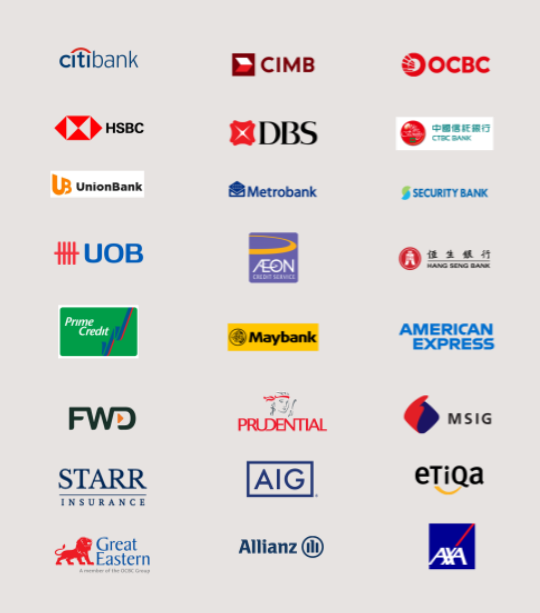
The markets are very competitive, with relatively low barriers to entry, and MoneyHero holds strong market positioning as the number one brand in four of its five markets, based on data from Semrush, which measures total visit duration. Underpinning this position is the quality of its commercial partners as well as the rewards it offers to users if applications are approved. These approved applications are key to MoneyHero’s business, as they are where it generates the highest level of revenue commission. Many of its commercial partners are leading global and local financial institutions, including Citibank, Standard Chartered, HSBC, DBS, Allianz, TransUnion, Prudential, PrimeCredit and Hang Seng Bank.
Ultimately it is MoneyHero’s scale that provides it with a competitive advantage in each of its markets, enabling it to maintain number one market share in four of its geographies. It is well capitalised post-IPO, compared with many of its local peers that are private companies, having raised a substantial amount of capital and with no debt on its balance sheet. This provides it with the ability to fuel revenue growth and grow share as the personal finance market continues to develop.
|
Exhibit 6: MoneyHero’s product categories |
Exhibit 7: Examples of MoneyHero’s commercial partners |

|
|
|
Source: MoneyHero |
Source: MoneyHero |
|
Exhibit 6: MoneyHero’s product categories |
|
|
Source: MoneyHero |
|
Exhibit 7: Examples of MoneyHero’s commercial partners |
|
|
Source: MoneyHero |
Customer journey
Once on the website in their local geography, users can filter by annual income and features of products, as well as choose from specific providers. Towards the top of the searches, as shown in Exhibit 8, are featured or sponsored offers, providing a level of transparency to MoneyHero users. Products are also ranked organically and clearly display the key features, which users are able to easily compare.
Consumers will often be offered promotional rewards or gifts to choose a certain product from a specific commercial partner, while also having the various terms and conditions displayed in a digestible way. These rewards are paid for by MoneyHero, not the commercial partner, and are included within the group’s COGS. Management sets internal gross margin targets per product campaign and can adjust the level of rewards given out to meet these. Products will vary by geography based on consumer preferences. Potential rewards include consumer products, including high-quality consumer electronics from popular brands like Apple or Samsung, vouchers, gift cards or cashback. As MoneyHero selects the rewards available on each product, it has a greater level of control over gross margin. Furthermore, as the business can monitor rewards selected by users, MoneyHero is able to learn more about the behaviour of its user base and can subsequently provide more effective, personalised rewards. MoneyHero has full control over the rewards process, including providing them, sourcing and fulfilment.
Once a user selects a financial product, they are asked to enter their email address and are redirected to the provider’s page to apply for the product in a separate tab. Users can then claim their reward by entering a unique reward code generated through the application once approved by the commercial partner. Through this process, MoneyHero collects user data about the number of approved applications as the user journey redirects them to the webpage, and MoneyHero can then leverage the data to inform future campaigns, personalisation and marketing.
MoneyHero had 5.3 million MoneyHero Group Members across its geographies at end FY23; MoneyHero Group Members are those that: have a login ID in Singapore, Hong Kong and Taiwan; have subscribed to email distribution in Singapore, Hong Kong, the Philippines, Taiwan and Malaysia; and who are registered to the rewards database in Singapore and Hong Kong. Through the membership, MoneyHero can send members content or new rewards on products to drive traffic.
|
Exhibit 8: Credit card example on SingSaver (Singapore) |
|
|
Source: Singsaver.com.sg/credit-card/all |
Commercial structure
MoneyHero charges its commercial partners through a conversion funnel model, with the charge becoming greater the further the customer goes through the process to purchasing the product. Revenue is generated through: revenue per click (RPC), revenue per lead (RPL), revenue per application (RPA) and revenue per approved application (RPAA). Commercial agreements are made based on each financial product and differ by commercial partner. The company does not direct users to the most beneficial partner for MoneyHero. MoneyHero’s ability to convert consumers from RPC to RPAA is essential to generating revenue, given this is where MoneyHero can charge its commercial partners the most per user. Reflecting this, in FY23, 90% of revenue was generated through RPAAs. However, RPAA also includes revenues through the Creatory platform. Separately, 83% of group revenue was generated through the online financial platforms.
Looking at the insurance offering, MoneyHero’s broker licences in Singapore, Hong Kong and the Philippines, as well as insurance agent registration in Malaysia, mean that revenue is generated when insurance products are bought through its websites. At present, the group’s insurance offering revolves predominantly around general insurance, mainly focusing on personal assets such as home or cars. This segment of the insurance market is often a necessity and typically requires a renewal annually. Consequently, this enables MoneyHero to grow into a repeat purchase product category, improving the revenue profile of the group as insurance becomes a larger part of the mix. Management is seeking to expand its insurance offering and has been in discussions with life insurance providers to diversify into this segment of the market.
Community platform: Seedly
Seedly is MoneyHero’s community-based platform based in Singapore. Seedly was acquired by MoneyHero in 2020, having been founded in 2016. Users can post personal finance questions and interact with other Seedly users through community posts. Users are able to review products across banking, investments, cards, utilities & bills, insurance and more. Through the platform, users then follow a similar path to application or purchase as MoneyHero’s other online comparison platforms, which subsequently generates revenue. Seedly also hosts the Personal Finance Festival, Singapore’s largest personal finance conference. In April 2024, the event had over 5,000 attendees and over 70 speakers.
Recently, MoneyHero launched a mobile app through Seedly called ShopHero. ShopHero is currently only available in Singapore, although management has stated it plans to roll it out into Hong Kong in FY24. In line with the MoneyHero group ethos, ShopHero is aimed at enabling users to make better financial decisions. The app uses user GPS location to suggest store locations to visit based on deals and will provide users with credit card recommendations based on their spending to best utilise rewards, effectively aggregating deals and offers by geolocation. This should drive potential daily engagement, enabling MoneyHero to gather key insights on its user base. Key to the offering is that ShopHero utilises AI capabilities to predict sales relevant to the user.
Through the ShopHero offering, MoneyHero is diversifying its revenue streams away from its proposition as a traditional acquisition channel for partners, seeking to gain access to commercial partners’ marketing budgets.
B2B platform: Creatory
Creatory, also known as eKos_connect, is MoneyHero’s B2B business. It works with content creators and channel partners to promote financial products from commercial partners. It is essentially a self-service portal through which content creators can choose the financial products they would like to promote and in return earn commission, either a fixed fee or a conversion-based fee, for products purchased by their followers. At end FY23, MoneyHero had over 360 content creators and channel partners on the platform, while the share of revenue generated through Creatory increased in the year to 17%, up from 14% in FY22.
Content creators can earn income through either affiliate marketing, by earning commission through promoting affiliate links or collaborations with brands, through either sponsored or partnership content. On the Creatory platform content creators can track the performance of their posts by clicks, leads and applications. Furthermore, there are no fees for the content creators for the use of Creatory. Payments to content creators are made within 30 to 45 days after an invoice is generated, typically during the first week of each month.
Through the Creatory platform MoneyHero has been able to expand its total addressable market, growing brand awareness and capturing users that may not typically be driven to their online platforms. The Creatory platform enables MoneyHero to benefit from the growing number of content creators and tapping into an engaged audience, while enabling the content creators to monetise their following base. As MoneyHero sets the commission rate, it can diversify its marketing spend away from the traditional paid marketing channels of Google and Facebook.
Management sees the Creatory business as a key growth focus, particularly as it believes it can scale the business in a cost-effective manner. The broadening of its reach also enables it to bring on new commercial partners as well as strengthen relationships with existing partners.
Improving the platform and expanding verticals
MoneyHero’s strategy to date has been to grow market share through developing brand recognition, improving the level and quality of rewards for users and increasing the number of high-quality commercial partners. Having listed as a public company, MoneyHero is now looking to scale the business with a strategic focus on four key pillars: best site, operational efficiency, insurance and shareholder value.
Platform and technology
The company has historically invested into its technology to build a user friendly and adaptable technology platform to host its DTC platforms as well as the B2B Creatory site. Ultimately, MoneyHero’s platforms seek to create a seamless end-to-end experience, providing users with educational content while facilitating the path to purchase for its commercial partners’ products.
The technology stack has developed over the years and has been designed to be scalable, enabling MoneyHero to quickly introduce new products, channels or verticals to its platforms. Furthermore, its systems are designed such that new partners are onboarded in a quick and easy manner, while new products from existing partners are quickly integrated onto their platforms.
MoneyHero’s technology is centralised, although its system can be localised for each of its five geographies. Consequently, platforms are easily adapted to have localised features such as languages. Its platforms are hosted on cloud-based data centres on AWS, allowing for further scalability to meet MoneyHero’s needs as it grows.
For the MoneyHero Group Members, there is a greater level of personalisation when distributing content or offers due to the ability to track purchase habits. This should help to drive an increase in conversion rates as well as engagement from members.
Management has spoken previously about the ways in which it is looking to leverage AI capabilities, both within the platforms and at the enterprise level. Having integrated AI capabilities into the newly launched ShopHero app, MoneyHero sees AI as a key lever to gain further insights into its user base. At the enterprise level, management believes it can utilise AI within marketing, customer service and operations. This should create operational efficiencies as teams can focus on more strategic areas, as routine tasks become automated, raising the productivity of its workforce.
Insurance
Insurance is a strategic focus for management due to the relative under penetration of the product category within South-East Asia, as discussed later in the ‘Market opportunity’ section. As the company holds a brokerage licence in three of its geographies, and an insurance agent registration in Malaysia, it has the functionality for consumers to buy insurance policies directly through its website, as opposed to other products whereby the user is redirected to the commercial partner’s webpage.
Since 2021, insurance has had much greater levels of growth than the other product verticals, signalling the strong levels of demand for insurance services within MoneyHero’s geographies. Revenues have grown rapidly from $1.2m in FY21 to $5.9m in FY23, accounting for 7% of group revenues in FY23 (FY21: 2%, FY22: 4%).
Management is targeting insurance as a product category due to the underlying fundamentals of the product. Non-life insurance, the area MoneyHero is currently targeting, is largely a repeat purchase, whether it be auto, travel or home, presenting the opportunity for MoneyHero to develop a degree of recurring revenues as customers come back to its platforms to compare and renew insurance products. Furthermore, management has noted that the insurance category is usually a necessary purchase, but not one that consumers usually enjoy. Therefore, through providing users with both product comparisons and a straightforward path to purchase, MoneyHero should be an appealing proposition for ready-to-buy users.
Market opportunity
Online price comparison websites have grown significantly with the increasing importance of the internet, enabling consumers to discover cost-effective products and services in a time-efficient manner. The advent of digital technologies, whether that be via smartphones, tablets or other devices, has meant consumers undertake a greater number of day-to-day activities online, such as shopping, education and banking. Since MoneyHero’s inception, the number of internet users globally has grown significantly from 2.75bn in 2014 to 5.40bn in 2023 (source: Statista). As shown in Exhibit 10, MoneyHero’s geographies already have a high level of internet penetration among their populations, with all except the Philippines above 90%. This provides some context as to why online personal finance is expected to continue its growth in importance as consumers become increasingly aware and gain greater access to products through platforms such as MoneyHero’s.
|
Exhibit 9: GDP per capita |
Exhibit 10: Internet penetration |
|
|
|
Source: Statista |
Source: Statista |
|
Exhibit 9: GDP per capita |
|
|
Source: Statista |
|
Exhibit 10: Internet penetration |
|
|
Source: Statista |
The historical and prospective growth of comparison websites, in relation to South-East Asia in particular, has been and continues to be driven by a number of important structural trends:
■
The growing affluence of the populations within these countries. Between 2022 and 2028 all geographies are expected to deliver positive GDP per capita CAGRs, ranging from 4% in Taiwan to 8% in the Philippines (source: Statista). This in turn generates a greater demand for credit cards, personal loans or mortgages and general insurance products, driven by higher consumption of travel, cars and the purchase of residential property. Key to this is the expected increase in the growing working population in South-East Asia, estimated to grow at a CAGR of 0.7% between 2023 and 2028, lagging India’s rate of 1.1% but ahead of the US (0.1%), China (flat) and the EU (decline of 0.5%) (source: e-Conomy SEA 2023).
■
The increasing adoption of digital services, facilitated through the increase in smartphone penetration. Many of these services include day-to-day activities as consumer preferences shift towards ease of product purchase and speed of delivery. This particularly accelerated during the COVID-19 pandemic, as consumers made the switch to online services out of necessity.
■
The growth in the number of financial products on offer from consumer banking and insurance providers, driven in part by the growth of challenger banks or fintech companies, which are increasingly purely virtual or online.
■
With a rise in interest rates in the Asia-Pacific region, an increasing number of consumers are seeking either the most affordable loans, the best value for money products or the highest interest rates on savings accounts. Notwithstanding this, the percentage point increase in interest rates in South-East Asian countries has been relatively subdued when compared to the US.
■
In the Philippines, research shows that as much as 66% of the population remains unbanked (source: Euromonitor International). This remains a good growth opportunity for MoneyHero to capture, particularly with its Moneymax brand holding the number one market share, albeit in a more fractured market than other geographies.
■
The return to travel post-COVID as restrictions have lifted has resulted in a rebound in demand for travel products, including insurance.
The e-Conomy 2023 report, a comprehensive insight into South-East Asia’s digital economy by Google, Temasek and Bain & Co, highlights that lending is the largest segment of the digital financial services sector in South-East Asia, at $19bn in 2023. Insurance represents a market worth $2bn due to the relative under penetration of digital insurance services thus far. Non-life insurance, to which MoneyHero is exposed to as it has not yet developed life insurance products, is expected to grow at a five-year CAGR of 18% between 2025 and 2030 to $5bn of gross written premiums (source: e-Conomy 2023 Report). MoneyHero is well exposed to both growing segments. More broadly, the gross merchandise value of the digital economy is expected to grow at a five-year CAGR over the same period of between 14% in the bear case to c $565bn and 25% in the bull case to c $1tn (source: e-Conomy 2023 Report).
Management
Following the listing on the public markets and this new phase of the company’s development, there have been a number of changes to MoneyHero’s management team, including the appointment of the new CEO, Rohith Murthy, and CFO, Hao Qian. The previous CEO, Prashant Aggarwal, left the business in February 2024, while Shaun Kraft, previous CFO and COO, left the business in early May.
MoneyHero’s board consists of CEO Rohith Murthy, three non-independent directors, Kenneth Chan, Derek Fong and Marc Syz, as well as two independent directors, Susanna Lee and Daniel Wang.
Below, we profile the key members of the executive management team:
■
Rohith Murthy, CEO: Rohith has over two decades of experience in product innovation, digital banking and operations. He was appointed as CEO in February 2024, having been at the company for nearly 10 years, including his prior role as MoneyHero’s chief business officer. Rohith played a key role in developing the SingSaver brand in Singapore, leading the B2B Creatory platform and driving transformational shifts in product and technology. Before multiple executive positions at MoneyHero, he held leadership roles at leading financial institutions including Citibank, Siam Commercial Bank and Standard Chartered Bank across various regions including Singapore, Thailand and Central and Eastern Europe. He has a bachelor’s degree in computer engineering from the National University of Singapore.
■
Hao Qian, CFO: Appointed on 13 May 2024, Hao is the most recent hire of the executive team. Having started his career at Credit Suisse, he has spent the eight years prior to MoneyHero in various senior finance roles at Alibaba Group, including CFO of the Lazada business across several markets. He has an MBA from Sloan School of Management at MIT as well as a MSc in finance from the Rochester Institute of Technology.
■
Shravan Thakur, CCO: Shravan was appointed as group chief commercial officer in March 2024, having previously been MoneyHero’s co-head of commercial from November 2022 and general manager of Hong Kong since April 2021. He previously led commercial strategies in Hong Kong and Taiwan and established a strategic partnership with TransUnion for credit scoring. Prior to MoneyHero, Shravan held senior leadership roles at American Express and PWC. He is a certified public accountant and a member of the Institute of Chartered Accountants of India.
Sensitivities
MoneyHero operates across a number of geographies, seeking to grow market share in each of these through driving audience traffic to its websites. The company has a good opportunity to continue growing its membership base through innovation in content and products, the expansion of the offering, coupled with demographic tailwinds. We see the main risks that face the company as:
■
Macroeconomic conditions: MoneyHero is clearly sensitive to wider macroeconomic conditions due to its exposure to the credit and insurance industries. Higher interest rates or a slowdown in economic conditions may slow the supply and demand of credit or insurance products, as commercial partners may tighten loan underwriting due to a higher probability of customer default.
■
Profitability: having grown rapidly since inception, MoneyHero is not yet profitable as it has been reinvesting back into the business to grow market share and develop its technology stack. Although management expects to reach adjusted EBITDA positivity at the group level during FY24, there is inherent execution risk involved in this due to potential changes in the cost base, regulatory changes and the competitive environment.
■
Commercial partnerships: MoneyHero is reliant on its relationships with its commercial partners to attract users to its platforms and negotiate increasingly favourable fees. While the business is relatively well diversified with over 280 commercial partners, the ability to retain partners as well as attract new ones is key to MoneyHero’s future growth prospects. Commercial agreements are typically for between one and three years, presenting some churn risk given the relatively short nature of the contracts.
■
Revenue concentration: although MoneyHero has a broad range of partners, a relatively high proportion of its revenues come from a small number of partners due to the concentrated nature of the Asian financial services sector. For example, in FY23 c 22% of revenue came from entities affiliated with or acting on behalf of Citibank.
■
Competitive environment: despite MoneyHero’s position as the largest operator within its geographies in the online space, the financial comparison market has relatively low barriers to entry. The company is also competing against offline channels as well as its own commercial partners, who could seek to grow their consumer base through first-party campaigns.
■
Regulation: MoneyHero operates within a highly regulated sector due to its sensitivity to consumer finance. However, at present MoneyHero itself does not need to be regulated as a financial provider. Many of its geographies have tight regulations on areas such as personal data, advertising and cyber security. MoneyHero’s position as an insurance broker in certain markets also presents specific regulations.
■
Cyber security: the company is heavily dependent on IT systems as MoneyHero is a digital business. The potential impact of any cyberattacks on the business could pose a major risk as the business collects personal information from users, including email addresses and credit scores. When developing products MoneyHero ensures its information security team is involved in the process and regularly undertakes security testing on technology.
■
Political risk: there is a risk operating in South-East Asia due a greater level of political volatility and in the more emerging countries, where regulation is less established. Recently, political tensions have been rising between China and Taiwan and the threat of military action could have a material impact on the group’s operations.
■
Related-party transactions: MoneyHero has service agreements in Hong Kong and Singapore with FWD Group, an entity owned by MoneyHero shareholder Pacific Century Group, through displaying FWD products and providing advertising and insurance brokerage services. Revenue generated through these agreements is relatively small, at $0.1m in FY20, $0.1m in FY21, $0.3m in FY22 and $0.9m in FY23.
■
Foreign exchange exposure: MoneyHero operates across a number of geographies in South-East Asia with various currencies. The group’s financial statements are disclosed in US dollars, while its revenues are predominantly denominated in those foreign currencies. MoneyHero manages these exposures through foreign currency hedging.
Financials
Income statement
|
Exhibit 11: Revenue and adjusted EBITDA margin progression |
|
|
Source: MoneyHero, Edison Investment Research |
MoneyHero has grown revenues rapidly since inception as it has expanded its commercial partner pool and diversified its offering. Historical financials are limited due to the proximity to the de-SPAC transaction in October 2023. Revenues have grown from $61.9m in FY21 to $80.7m in FY23, with substantial growth across its two reporting segments: online financial comparison platforms (+14%) and Creatory (+47%). All regions aside from Taiwan and Malaysia delivered strong double-digit growth, as MoneyHero paused some products for certain key clients in the year in Taiwan, mainly due to Citi selling its consumer banking business to DBS in August 2023. The propensity to use credit cards in Malaysia is more limited as consumers perceive credit cards as a form of debt. However, these two regions represent the smallest proportion of revenues by geography, while MoneyHero continues to educate consumers on personal finance. In its larger geographies of Singapore (40% of FY23 revenue), Hong Kong (33%) and the Philippines (18%), growth was broadly driven by increased demand for both credit card and insurance products.
Reflecting management’s strategic focus, revenues generated from insurance products grew 120% in FY23 to $5.9m (FY22: $2.7m) and accounted for 7% of revenues (FY22: 4%). Credit cards, MoneyHero’s largest product vertical, accounting for 75% of group revenues, was up 22% in the year. Key to the robust levels of revenue growth displayed is the conversion rate of approved applications from clicks, which improved from 7% in FY22 to 8% in FY23. Approved applications accounted for 90% of group revenue in FY23, reflecting the importance of improving the conversion rate for MoneyHero.
MoneyHero does experience seasonality within its financial year and has historically seen a stronger second half. This is typically due to a combination of a fall in demand around the turn of the New Year and during Chinese New Year, coupled with a Holy Week in the Philippines at the end of April, with an increase in travel insurance applications in Singapore and Hong Kong ahead of school holidays. Reflecting this, H223 made up 57% of FY23 revenue.
To date, MoneyHero’s strategy has been to grow aggressively and take market share. Consequently, the business has been loss making at the adjusted EBITDA level. However, management’s focus in FY23 on operational efficiencies through the streamlining of its data systems delivered lower losses in the year, down to $6.8m from $15.6m in FY22. The loss at the PBT level was particularly elevated in FY23 due to transaction costs related to the de-SPAC transaction, including $67.0m in share-based payments related to the listing.
Looking ahead to FY24, management expects to deliver revenue in excess of $100m and to reach adjusted EBITDA profitability in H224. On the FY23 earnings call management announced that it expects to reach an adjusted EBITDA margin within a range of 5% to 10% in the next 12–18 months, due to greater margin enhancing initiatives, including better conversion rates, the scaling of the insurance offering and a greater volume of direct traffic. Consequently, we forecast revenues reaching $104.4m in FY24, before growing by 20% in FY25 and FY26 to $125.1m and $150.3m, respectively.
We anticipate an improvement in the adjusted EBITDA margin (excluding share-based payments and exceptional items), from negative 8.5% in FY23 to negative 1.9% in FY24 as we expect the loss in H1 to outweigh the targeted profitability in H2. We expect MoneyHero to be adjusted EBITDA positive in FY25 at a margin of 4.0% before expanding to 9.1% in FY26, the mid-point of management’s 5% to 10% guided range. Within this we anticipate a lower gross margin initially as management looks to grow its market share through rewards, offset by an improvement in operating expenses relative to revenue, the majority of which is advertising or marketing expenses. We believe that increasing spend on potential rewards, to provide greater incentives for users, will help to drive further organic traffic to MoneyHero’s platforms, reducing the need for marketing expenses. Organic traffic already accounts for 70% of total traffic, reflecting MoneyHero’s strong brand positioning within its markets.
Key leading indicators on MoneyHero’s progress will be delivery in its quarterly financials towards its FY24 $100m revenue target and adjusted EBITDA break even in H2.
Cash flow and balance sheet: Well capitalised following listing
Operational efficiencies and early investment in technology have meant MoneyHero’s profitability and free cash flow have been improving relative to revenue. We forecast a continued improvement in cash flow relative to revenue given the strong net cash position post the de-SPAC transaction and management’s strategy for growth.
Exhibit 12: Summary cash flows
Relative to revenue |
FY21 |
FY22 |
FY23 |
FY24e |
FY25e |
FY26e |
Operating cash flow |
(23%) |
(21%) |
(21%) |
(5%) |
3% |
8% |
PBT |
(50%) |
(73%) |
(214%) |
(5%) |
1% |
5% |
Depreciation and amortisation |
6% |
7% |
9% |
5% |
5% |
5% |
Working capital |
(2%) |
3% |
(5%) |
(3%) |
(1%) |
(0%) |
Tax paid |
0% |
0% |
0% |
1% |
(0%) |
(1%) |
Investing cash flow |
(9%) |
(7%) |
(2%) |
(1%) |
(1%) |
(2%) |
Capex |
(9%) |
(7%) |
(3%) |
(3%) |
(3%) |
(3%) |
Free cash flow pre interest |
(32%) |
(29%) |
(25%) |
(10%) |
(3%) |
3% |
Free cash flow post interest |
(32%) |
(29%) |
(24%) |
(8%) |
(1%) |
4% |
Net interest |
(0%) |
(0%) |
1% |
2% |
2% |
1% |
Net cash (debt) excluding leases |
(5%) |
23% |
85% |
60% |
51% |
48% |
Leases |
(1%) |
(1%) |
(1%) |
(1%) |
(0%) |
(0%) |
Net cash (debt) including leases |
(6%) |
21% |
84% |
59% |
51% |
48% |
Source: MoneyHero, Edison Investment Research
Having raised net proceeds of c $87m through the de-SPAC transaction in October, MoneyHero voluntarily prepaid all outstanding debt, amounting to c $32.7m. As such, the group was debt-free at the end of FY23 with a net cash position of $68.6m excluding leases. Consequently, MoneyHero is well capitalised with ample resources to invest in the business for growth and to look for inorganic opportunities if they arise. When thinking about potential M&A opportunities, many of its local competitors are much smaller scale and consequently MoneyHero would look at companies that would enable entrance into new markets or product initiatives, but that would be complementary and easy to integrate quickly.
Operating cash flow as a percentage of revenues have been improving, with FY23 at a similar level to FY22 despite the distorted PBT due to one-off transaction costs related to the de-SPAC transaction. Management has historically invested in its technology platform, hence the elevated levels of capex relative to sales in FY21 and FY22 of 9% and 7%, respectively. We expect capex to remain at the same level relative to sales across our forecast period, expecting management to utilise its cash resources to invest into the business, particularly in AI capabilities. We anticipate an improvement in working capital as insurance becomes a greater proportion of the revenue mix, as contract assets and trade receivables are predominantly driven by delays between invoicing and payments from MoneyHero’s commercial bank partners. Consequently, we expect the free cash flow outflow to nearly halve in FY24, before becoming positive by FY26 with an inflow of $5.9m. Due to the net cash position we expect MoneyHero to earn 4% in FY24 and FY25 on its cash holdings, before falling slightly to 3% in FY26. This results in forecasts expecting the net cash (excluding leases) position to lower from $68.6m in FY23 to $62.7m in FY24, before improving in FY25 and FY26 to $64.0m and $72.4m respectively.
Due to it being a relatively early-stage business, MoneyHero has indicated that it will not be paying a dividend in the foreseeable future as it invests back into the business to drive growth.
Valuation
We look at MoneyHero’s valuation from two perspectives: a DCF-based valuation and comparison versus a peer group.
DCF-based valuation
Our 10-year DCF-based valuation uses a WACC of 12%, solely reflecting a cost of equity of 12% (blended South-East Asian risk-free rate of 4.1%, beta of 1.4 (source: Refinitiv) and a blended South-East Asian equity risk premium of 5.5% (source: Damodaran)) due to MoneyHero’s debt-free balance sheet. We assume the company achieves our revenue estimates out to FY26 and tapers in the mid-term to a an average 15% CAGR in FY27–34. We also assume EBITDA margins expand from negative 8.5% in FY23 to our estimate of 9.1% in FY26 and are maintained at the top end of management’s margin guidance range at 10%. As seen further below, many of MoneyHero’s more mature peers operate at much higher EBITDA margins, and as such we believe the 10% mid-term EBITDA margin is relatively conservative.
Exhibit 13: DCF sensitivity ($ per share)
Revenue growth, FY27–34 |
|||||||
6.0% |
8.0% |
10.0% |
12.0% |
14.0% |
16.0% |
||
Adjusted EBITDA margin FY27–34 |
5.0% |
1.96 |
2.11 |
2.28 |
2.47 |
2.69 |
2.93 |
6.0% |
2.21 |
2.40 |
2.60 |
2.83 |
3.09 |
3.38 |
|
7.0% |
2.47 |
2.68 |
2.92 |
3.19 |
3.50 |
3.83 |
|
8.0% |
2.72 |
2.97 |
3.24 |
3.55 |
3.90 |
4.29 |
|
9.0% |
2.98 |
3.25 |
3.57 |
3.91 |
4.31 |
4.74 |
|
10.0% |
3.23 |
3.54 |
3.89 |
4.27 |
4.71 |
5.19 |
|
11.0% |
3.49 |
3.83 |
4.21 |
4.64 |
5.11 |
5.65 |
|
12.0% |
3.74 |
4.11 |
4.53 |
5.00 |
5.52 |
6.10 |
|
13.0% |
3.99 |
4.40 |
4.85 |
5.36 |
5.92 |
6.55 |
|
Source: Edison Investment Research
Our assumptions suggest a value per share of $4.95, substantially above the current share price of $1.82. In our view, MoneyHero’s current share price does not fully reflect the potential revenue growth coupled with the expected EBITDA margin expansion, particularly given MoneyHero’s market-leading position in its geographies.
Peer valuation
Many of MoneyHero’s direct competitors in its geographic markets are smaller scale and private. These companies include MoneySmart, Flyformiles, Alphaloan/Alphacard, iMoney and Ringgitplus. For the peer comparison table, we have used a range of other online financial product platforms, both within MoneyHero’s region of South-East Asia and international peers. We have also included some local online platforms that operate in alternative sectors to the financial comparison platforms, such as online consumer marketplace Grab Holdings, to show more broadly where multiples are in the online space.
Exhibit 14: Peer valuations
Market value ($m) |
Revenue growth (%) |
EBITDA growth (%) |
EBITDA margin (%) |
EV/sales (x) |
EV/EBITDA (x) |
|||||||||
2024e |
2025e |
2024e |
2025e |
2024e |
2025e |
2024e |
2025e |
2024e |
2025e |
|||||
PB Fintech Ltd |
6,455 |
28% |
27% |
N/A |
335% |
3% |
11% |
12.1 |
9.6 |
382.1 |
87.9 |
|||
Moneysupermarket.Com Group PLC |
1,581 |
4% |
7% |
6% |
9% |
31% |
32% |
2.9 |
2.7 |
9.4 |
8.6 |
|||
Kakaku.com Inc |
2,419 |
11% |
10% |
8% |
9% |
43% |
43% |
4.8 |
4.4 |
11.2 |
10.3 |
|||
NerdWallet Inc |
1,070 |
6% |
12% |
40% |
42% |
13% |
17% |
1.5 |
1.3 |
11.3 |
8.0 |
|||
PropertyGuru Group Ltd |
662 |
15% |
17% |
N/A |
N/A |
0% |
0% |
3.5 |
2.9 |
N/A |
N/A |
|||
Median digital financial platforms |
11% |
12% |
8% |
25% |
13% |
17% |
3.5 |
2.9 |
11.2 |
9.5 |
||||
Average digital financial platforms |
13% |
14% |
16% |
84% |
17% |
20% |
4.7 |
4.0 |
85.0 |
24.9 |
||||
IFAST Corporation Ltd |
1,593 |
31% |
19% |
30% |
56% |
8% |
10% |
6.8 |
5.7 |
88.4 |
56.6 |
|||
Addcn Technology Co Ltd |
347 |
11% |
11% |
(1039)% |
152% |
9% |
20% |
4.4 |
3.9 |
50.4 |
20.0 |
|||
Bengo4.com Inc |
447 |
26% |
19% |
N/A |
N/A |
0% |
0% |
5.1 |
4.3 |
N/A |
N/A |
|||
Grab Holdings Ltd |
13,809 |
17% |
17% |
N/A |
N/A |
0% |
0% |
3.4 |
2.9 |
N/A |
N/A |
|||
Median Asian online platforms |
22% |
18% |
(504)% |
104% |
4% |
5% |
4.8 |
4.1 |
69.4 |
38.3 |
||||
Average Asian online platforms |
21% |
17% |
(504)% |
104% |
4% |
7% |
4.9 |
4.2 |
69.4 |
38.3 |
||||
MoneyHero |
70.1 |
29% |
20% |
(72)% |
N/A |
(2)% |
4% |
0.0 |
0.0 |
N/A |
0.3 |
|||
(Discount)/premium to median digital financial platforms |
(100)% |
(100)% |
N/A |
(97)% |
||||||||||
(Discount)/premium to average digital financial platforms |
(100)% |
(100)% |
N/A |
(99)% |
||||||||||
(Discount)/premium to median Asian online platforms |
(100)% |
(100)% |
N/A |
(99)% |
||||||||||
(Discount)/premium to average Asian online platforms |
(100)% |
(100)% |
N/A |
(99)% |
||||||||||
Source: LSEG, Edison Investment Research. Note: Priced at 13 May 2024.
On our estimates, MoneyHero trades on EV/sales multiples of less than 0.1x in FY24e and FY25e, as well as on 0.3x FY25e EV/EBITDA, excluding FY24e as we expect the business to be loss-making. Reflecting MoneyHero’s FY23 net cash position excluding leases of $68.6m, its enterprise value is low at just $1.5m, hence the low valuation multiples. Within the peer group we have compiled, there is a broad mix of companies at various stages of the business cycle. Well-established businesses, such as Moneysupermarket.com, Kakaku.com and NerdWallet, which operate at higher EBITDA margins, typically trade on lower multiples due to the lower levels of growth. These indicate the potential EBITDA margin MoneyHero could achieve once at maturity. Companies that display higher levels of growth, such as PB Fintech, IFAST Corporation, Grab Holdings and PropertyGuru, are generally rewarded with higher multiples. Relative to the digital financial platform peer median multiples, MoneyHero’s EV/sales multiples are at a discount of c 100% FY24e and FY25e, while on EV/EBITDA for FY25e it trades at a discount of 97%. These discounts could reflect the lack of trading history, public profile and awareness from potential investors. We believe that these discounts could narrow if MoneyHero delivers on its financial targets, particularly in achieving EBITDA positivity and subsequently expanding margins towards the top end of its guided range.
Exhibit 15: Financial summary
$m |
2022 |
2023 |
2024e |
2025e |
2026e |
||
Year end 31 December |
IFRS |
IFRS |
IFRS |
IFRS |
IFRS |
||
INCOME STATEMENT |
|||||||
Revenue |
|
|
68.1 |
80.7 |
104.4 |
125.1 |
150.3 |
Cost of Sales |
(33.9) |
(43.9) |
(60.6) |
(71.3) |
(82.7) |
||
Gross Profit |
34.3 |
36.7 |
43.8 |
53.8 |
67.6 |
||
EBITDA |
|
|
(15.6) |
(6.8) |
(1.9) |
5.0 |
13.7 |
Operating profit (before amort. and excepts.) |
|
|
(21.5) |
(14.0) |
(6.8) |
(0.8) |
6.5 |
Exceptionals |
(19.5) |
(15.5) |
0.0 |
0.0 |
0.0 |
||
Share-based payments |
(0.5) |
(0.5) |
(0.5) |
(0.5) |
(0.5) |
||
Reported operating profit |
(41.5) |
(30.0) |
(7.3) |
(1.3) |
6.0 |
||
Net Interest |
(7.6) |
(18.2) |
2.6 |
2.4 |
1.9 |
||
Change in FV of financial instruments |
(1.1) |
(57.3) |
0.0 |
0.0 |
0.0 |
||
Exceptionals |
0.0 |
(67.0) |
0.0 |
0.0 |
0.0 |
||
Profit Before Tax (norm) |
|
|
(30.2) |
(156.5) |
(4.2) |
1.7 |
8.4 |
Profit Before Tax (reported) |
|
|
(49.7) |
(172.5) |
(4.7) |
1.2 |
7.9 |
Reported tax |
0.3 |
(0.1) |
0.8 |
(0.2) |
(1.3) |
||
Profit After Tax (norm) |
(25.2) |
(129.9) |
(3.5) |
1.4 |
7.0 |
||
Profit After Tax (reported) |
(49.4) |
(172.6) |
(3.9) |
1.0 |
6.6 |
||
Minority interests |
0.0 |
0.0 |
0.0 |
0.0 |
0.0 |
||
Discontinued operations |
0.0 |
0.0 |
0.0 |
0.0 |
0.0 |
||
Net income (normalised) |
(25.2) |
(129.9) |
(3.5) |
1.4 |
7.0 |
||
Net income (reported) |
(49.4) |
(172.6) |
(3.9) |
1.0 |
6.6 |
||
Average Number of Shares Outstanding (m) |
0.5 |
9.6 |
44.9 |
44.9 |
44.9 |
||
EPS - normalised ($) |
|
|
(52.17) |
(13.49) |
(0.08) |
0.03 |
0.16 |
EPS - normalised fully diluted ($) |
|
|
(52.17) |
(13.49) |
(0.08) |
0.03 |
0.17 |
EPS - basic reported ($) |
|
|
(102.40) |
(17.90) |
(0.09) |
0.02 |
0.15 |
Dividend ($) |
0.00 |
0.00 |
0.00 |
0.00 |
0.00 |
||
BALANCE SHEET |
|||||||
Fixed Assets |
|
|
15.6 |
8.1 |
7.0 |
5.8 |
3.6 |
Intangible Assets |
14.4 |
7.3 |
6.1 |
4.5 |
2.3 |
||
Tangible Assets |
1.1 |
0.8 |
1.0 |
1.2 |
1.3 |
||
Investments & other |
0.1 |
0.0 |
0.0 |
0.0 |
0.0 |
||
Current Assets |
|
|
48.6 |
106.9 |
112.6 |
119.1 |
133.0 |
Contract assets |
11.1 |
16.0 |
20.9 |
22.5 |
25.6 |
||
Debtors |
13.2 |
22.1 |
28.9 |
32.4 |
34.9 |
||
Cash & cash equivalents |
24.1 |
68.6 |
62.7 |
64.0 |
72.4 |
||
Other |
0.2 |
0.2 |
0.2 |
0.2 |
0.2 |
||
Current Liabilities |
|
|
(39.0) |
(35.7) |
(44.3) |
(48.5) |
(53.7) |
Creditors |
(23.2) |
(33.2) |
(41.8) |
(46.0) |
(51.2) |
||
Short term borrowings |
0.0 |
0.0 |
0.0 |
0.0 |
0.0 |
||
Finance leases |
(0.5) |
(0.6) |
(0.6) |
(0.6) |
(0.6) |
||
Other |
(15.3) |
(1.9) |
(1.9) |
(1.9) |
(1.9) |
||
Long Term Liabilities |
|
|
(9.4) |
(0.3) |
(0.3) |
(0.3) |
(0.3) |
Long term borrowings |
(8.7) |
0.0 |
0.0 |
0.0 |
0.0 |
||
Other long term liabilities |
(0.7) |
(0.3) |
(0.3) |
(0.3) |
(0.3) |
||
Net Assets |
|
|
15.8 |
79.1 |
75.1 |
76.1 |
82.7 |
Minority interests |
0.0 |
0.0 |
0.0 |
0.0 |
0.0 |
||
Shareholders' equity |
|
|
15.8 |
79.1 |
75.1 |
76.1 |
82.7 |
CASH FLOW |
|||||||
Operating Cash Flow |
(44.9) |
(172.5) |
(2.3) |
1.2 |
7.9 |
||
Working capital |
1.9 |
(3.7) |
(3.1) |
(0.9) |
(0.4) |
||
Exceptional & other |
28.4 |
159.2 |
(0.1) |
3.3 |
5.2 |
||
Tax |
0.0 |
0.0 |
0.8 |
(0.2) |
(1.3) |
||
Net operating cash flow |
|
|
(14.6) |
(17.0) |
(4.8) |
3.4 |
11.5 |
Capex |
(5.0) |
(2.2) |
(3.5) |
(4.3) |
(4.8) |
||
Net interest |
(7.8) |
(18.2) |
2.6 |
2.4 |
1.9 |
||
Equity financing |
0.0 |
91.5 |
0.0 |
0.0 |
0.0 |
||
Dividends |
0.0 |
0.0 |
0.0 |
0.0 |
0.0 |
||
Other |
42.6 |
(9.4) |
(0.2) |
(0.2) |
(0.2) |
||
Net Cash Flow |
15.2 |
44.7 |
(6.0) |
1.3 |
8.4 |
||
Opening net debt/(cash) (including leases) |
|
|
3.6 |
(14.5) |
(68.0) |
(62.1) |
(63.4) |
FX |
(0.3) |
(0.1) |
0.0 |
0.0 |
0.0 |
||
Other non-cash movements |
0.0 |
0.0 |
0.0 |
0.0 |
0.0 |
||
Closing net debt/(cash) |
|
|
(14.5) |
(68.0) |
(62.1) |
(63.4) |
(71.8) |
Source: Company accounts, Edison Investment Research
|
|||||||||||||||||||||||||||||||||||||||||||||
|
|
Research: TMT
While the weak advertising market suppressed growth in Online Marketing in the (seasonally quiet) Q1, Online Presence continues to perform robustly and group margins continue to expand. The acquisition of Shinez is now complete and should add further robustness to Team Internet’s revenue profile, diversifying its partnership base and creating good opportunities to capture more value in the conversion funnel. We leave our standalone estimates unchanged, but upgrade FY24 and FY25 EPS by 5% and 7% to reflect the acquisition of Shinez.