Last close As at 05/08/2026
—
— 0.00 (0.00%)
Market capitalisation
—
Research: Industrials
Market trends in Q423 were like Q323, with Kendrion’s Industrial segment under pressure and Automotive in recovery due to higher pricing and new projects. On 7% y-o-y lower revenues, EBITDA was down 14%, slightly below our expectations. Kendrion is now more confident in realising its FY25 targets (revenue of around €636m and EBITDA margin of 15%) as it has more visibility on the ramp up of new projects, while being bullish about its pipeline, based on electrification and clean energy trends. We have rolled our valuation forward by one year, which, coupled with higher EBITDA margin estimates, points to a value of €18.6/share (from €15.5).
Kendrion |
Higher visibility on realising FY25 targets |
FY23 results review |
Industrial engineering |
7 March 2024 |
Share price performance
Business description
Next events
Analyst
Kendrion is a research client of Edison Investment Research Limited |
||||||||||||||||||||||||||||||||||||||||||
Market trends in Q423 were like Q323, with Kendrion’s Industrial segment under pressure and Automotive in recovery due to higher pricing and new projects. On 7% y-o-y lower revenues, EBITDA was down 14%, slightly below our expectations. Kendrion is now more confident in realising its FY25 targets (revenue of around €636m and EBITDA margin of 15%) as it has more visibility on the ramp up of new projects, while being bullish about its pipeline, based on electrification and clean energy trends. We have rolled our valuation forward by one year, which, coupled with higher EBITDA margin estimates, points to a value of €18.6/share (from €15.5).
Year end |
Revenue (€m) |
EBITDA* |
EPS* |
DPS |
EV/EBITDA |
P/E |
12/22 |
519.3 |
57.4 |
1.45 |
0.72 |
6.7 |
10.7 |
12/23 |
518.5 |
53.1 |
0.91 |
0.45 |
6.4 |
13.2 |
12/24e |
542.0 |
62.8 |
1.45 |
0.72 |
5.2 |
8.5 |
12/25e |
586.1 |
78.4 |
2.23 |
1.11 |
4.0 |
5.5 |
Note: *EBITDA and EPS are normalised, excluding amortisation of acquired intangibles, exceptional items and share-based payments.
Recent worries about covenant breach overdone
Despite 4.5% y-o-y higher average sales prices in Q423, revenues declined 6% yoy organically, which was caused by an organic decline of 17% y-o-y in Industrial, while Automotive showed further growth of 6% y-o-y, as a result of higher pricing and new projects. Industrial was hit hard again by weak markets in Germany and China. EBITDA in Q423 was down 14% despite 7% lower opex, with savings offsetting wage inflation. Net debt declined by €15m to €145m versus Q323, with the net debt/EBITDA of 2.7x below the <3.25x covenant. Recent market concerns about a potential covenant breach now seem overdone.
New projects ramping up and pipeline is promising
Kendrion expects the low economic activity levels to continue in H124 but anticipates improvements from H224. With FY23 nominations for Automotive E of €230m, the successful ramp up of two projects in the new plant in China and four more to come in FY24, and a promising pipeline of €1.3bn for the smart actuation segment within Automotive E, the company now has more visibility on potentially realising its FY25 targets. We have lowered our revenue estimates for FY24 and FY25 by 1–2% but raised our EBITDA margin by 40bp for both years due to an earlier positive contribution from Automotive E. For FY25 we cautiously expect revenues of €586m and an EBITDA margin of 13.4%, but operating leverage could bring Kendrion towards its FY25 targets if revenue growth accelerates further.
Valuation attractive on three methods
Kendrion is valued at an 18% discount to peers based on 2024e EV/EBITDA, but we think that this could diminish over time provided it demonstrates improving growth levels and higher margins. On higher margin estimates, the average of historical multiples, discounted cash flow and peer comparison (all rolled over by one year) points to a value of €18.6 per share (up from €15.5 previously).
FY23 results: Weak Industrial markets hit results
Kendrion’s Q423 results showed comparable trends with Q323. Despite 4.5% y-o-y higher average sales prices, group revenues declined 6% y-o-y organically, which was caused by a decline of 17% yoy in Industrial, while Automotive showed further growth of 6% y-o-y. FY23 revenues were flat at €518.5m, with organic growth of 1% y-o-y and a negative currency effect of 1% y-o-y.
Exhibit 1: Kendrion’s Q423 and FY23 results
€m |
Q422 |
Q423 |
Change (%) |
FY22 |
FY23 |
Change (%) |
Industrial |
68.0 |
55.7 |
-18% |
276.5 |
256.5 |
-7% |
Automotive |
61.6 |
64.6 |
5% |
242.8 |
262.0 |
8% |
Total revenues |
129.6 |
120.3 |
-7% |
519.3 |
518.5 |
0% |
Industrial organic revenue growth |
7% |
-17% |
16% |
-6% |
||
Automotive organic revenue growth |
14% |
6% |
-4% |
9% |
||
Total organic revenue growth |
11% |
-6% |
5% |
1% |
||
. |
||||||
Industrial |
N/A |
N/A |
47.5 |
36.1 |
-24% |
|
Automotive |
N/A |
N/A |
9.9 |
17.0 |
72% |
|
Total EBITDA normalised |
12.00 |
10.3 |
-14% |
57.4 |
53.1 |
-7% |
Industrial |
N/A |
N/A |
17.2% |
14.1% |
||
Automotive |
N/A |
N/A |
4.1% |
6.5% |
||
Total EBITDA margin |
9.3% |
8.6% |
11.1% |
10.2% |
||
. |
||||||
Exceptionals, including impairments |
(60.0) |
(1.4) |
(64.0) |
(2.4) |
||
EBIT reported |
(55.2) |
1.8 |
N/A |
(34.6) |
23.8 |
N/A |
Net profit reported |
(59.1) |
(1.0) |
N/A |
(46.3) |
9.9 |
N/A |
Net profit normalised |
2.7 |
0.3 |
-89% |
21.7 |
13.9 |
-36% |
EPS reported (€) |
(3.91) |
(0.07) |
-98% |
(3.09) |
0.65 |
N/A |
EPS normalised (€) |
0.18 |
0.02 |
-89% |
1.45 |
0.91 |
-37% |
Source: Kendrion, Edison Investment Research
Industrial (49% of revenues) reported 18% y-o-y lower revenues in Q423, mainly due to the decline of 30% y-o-y in Industrial Brakes, whereas the decline in Industrial Actuators & Controls was limited to 2% y-o-y.
After Industrial Brakes showed an impressive 20% y-o-y revenue growth in both FY21 and FY22, Kendrion expanded the capacity of this activity in anticipation of further market growth. In 2023, however, markets were weaker than expected, particularly in Germany and China. The company’s products are mostly integrated in electromotors for segments such as robotics and automated warehouses, and these market segments were under pressure. Kendrion also felt the impact of destocking, particularly in H223, with organic revenues down 28% y-o-y in both Q3 and Q4. During the analyst meeting, management commented that the market for Industrial Brakes is now stabilising at the Q323 and Q423 level, while the destocking effect seems to be over.
Industrial Actuators & Controls performed relatively well despite weaker markets. Organic revenues were down only 1% y-o-y in Q4 after -2% y-o-y in Q3. Kendrion is positive about 3T, an electronics and embedded systems expert acquired in September 2021, which showed 23% revenue growth in FY23. This helped the divisional margins as 3T carries higher margins. There were further positive developments in markets for medical devices and washing machines (locks and valves), beverage dispensing systems and inductive heating systems. The company also mentioned its cooperation with Dürr Dental, with the first water/air supply units for dental chairs sold.
Automotive (51% of revenues) further recovered and showed 5% y-o-y revenue growth in Q423. With weaker market conditions, Automotive Core showed flat revenues in Q423, helped by higher sales prices (6% for the full year). Revenues in Automotive E rose 16% y-o-y in Q4, which is an improvement compared to the 7% growth in Q323. The new plant in China successfully started operations in Q323, and management commented that two of the six new projects had already contributed a couple of million euros in the fourth quarter, explaining the reported acceleration in revenue growth in Automotive E. Volumes from existing sound and suspension programs also increased.
Exhibit 2: Kendrion’s segment revenues in Q423
Revenues, €m |
Q422 |
Q423 |
Change |
Change currencies |
Change organic |
Industrial Brakes |
37.5 |
26.0 |
-30% |
-2% |
-28% |
Industrial Actuators & Controls |
30.5 |
29.7 |
-2% |
-1% |
-1% |
Automotive Core (combustion related) |
44.1 |
44.2 |
0% |
-1% |
1% |
Automotive E (electric vehicle related) |
17.6 |
20.4 |
16% |
-1% |
17% |
Source: Kendrion
During the year, input price pressure eased somewhat and price increases in Automotive offset the negative mix effect (ie larger decline in higher-margin Industrial), resulting in a flat gross margin in Q423 (FY23: -120bp to 46.9%).
Normalised EBITDA in Q423 declined 14% y-o-y to €10.3m, with gross profit down 8% yoy and opex 7% y-o-y lower (with cost savings offsetting wage inflation). The EBITDA margin was 70bp lower yearonyear at 8.6%, comparable to the decline of 70bp in Q323. Part of the decline in EBITDA margin was caused by the effect of price increases. In FY23, normalised group EBITDA declined 7% yoy, with Industrial’s EBITDA margin down 310bp to 14.1%, while Automotive improved its margin by 240bp to 6.5%.
In Q423, Kendrion recorded €2.4m exceptional items, which included €1.5m in restructuring costs for Industrial Brakes to lower the fixed cost base by more than €1m. The Q422 results included a large impairment related to Automotive.
Free cash flow in Q423 was a positive €16.3m, almost equal to Q422’s free cash flow. As a result, net debt declined by €15m to €145m versus Q3. Working capital as a percentage of revenues declined from 12.7% in FY22 to 12.3% in FY23 and in the analyst meeting management commented that 12% is a good target for the next few years. Net debt/EBITDA decreased by 20bp to 2.7x versus Q3, which is well within the covenant of below 3.25x. Kendrion successfully extended its revolving credit facility of €102.5m by one year to April 2027.
More confident in realising FY25 financial targets
Kendrion expects the current lower economic activity levels to persist in the first half of 2024 but anticipates improvements in the second half, with continued growth in Automotive for the full year. At the time of the Q323 results, management said it had taken cost-saving measures, including short-term work in Germany, which could deliver savings of around €1m per quarter. During Q423, it took further measures to lower the fixed cost base in Industrial Brakes by around €1m.
Kendrion remains positive about its order book, supported by €230m of new nominations for Automotive E, comprising nine new projects, of which six are in China. It ramped up two new projects in China in Q423 and will ramp up another four projects during FY24. These projects are for its sound and suspension products and management sees high potential for its third group of products within Automotive E, smart actuation, with an order pipeline of €1.3bn. In Europe, it has received the first order for sensor cleaning, planned to be launched in 2025.
Kendrion also received €70m in contract extensions within Automotive Core, which will further optimise its profitability as production lines for these extensions are already fully depreciated. Exhibit 3 shows the new nominations in automotive over the period 2019–23, with a good book-to-bill ratio of 3.2x for Automotive E in FY23.
|
Exhibit 3: Kendrion Automotive nominations, in €m |
|
|
Source: Kendrion. Note: Core adjusted for net effect of cancellations and extensions of legacy revenue. |
In 2020, Kendrion set financial targets for the FY19–25 period: organic revenue growth of at least 5% on average per year, an EBITDA margin of at least 15% in FY25 (10.2% in FY23) and a return on invested capital of at least 25% in FY25 (FY23: 13.5%). At the Q323 results, management commented that it needed a return to a more stable economic environment in the next few years to realise these targets. Currently, management seems more optimistic about achieving these targets, assuming there will be no negative surprises from external developments. During the analyst call, management commented that visibility is much better compared to a few months ago.
Exhibit 4: Kendrion’s financial targets for FY25
Key performance indicators |
Target FY25 |
Realised FY20 |
Realised FY21 |
Realised FY22 |
Realised FY23 |
Organic revenue growth |
>5% on average |
-15% |
16% |
8% |
1% |
EBITDA margin |
>15% |
11.3% |
12.0% |
11.1% |
10.2% |
Return on invested capital (ROIC) |
>25% |
10.8% |
15.5% |
15.6% |
13.5% |
Pay-out ratio |
35–50% |
50% |
50% |
50% |
50% |
Source: Kendrion
Kendrion’s revenue growth target points to a revenue level of €636m in FY25, with the base revenue of €467m in FY19 (including INTORQ), annual organic revenue growth of 5%, the contribution of 3T, with revenues of €12m at the time of the acquisition, and by assuming a levelling out over the years of the impact of currencies. Given FY23 revenues of €518.5m, the company needs a revenue CAGR of 10% for FY24–25. The EBITDA margin improvement from 10.2% in FY23 to 15% in FY25 assumes an EBITDA level of €95m by FY25, versus €53.1m in FY23.
Below we summarise the factors that could help Kendrion in realising its FY25 targets:
■
More visibility on the pace of ramp up in Automotive E now that the new plant in China has been successfully operational since Q323. Kendrion is nominated by leading tier 1 players in suspension systems in the electric vehicle (EV) market, including Air Spring and Active Damping modules (with a potential value of Kendrion valves per EV at €100). Nominated projects in EV brands include BYD, Li-Auto, Xpeng, Nio, Geely, GWM and SAIC. Two new projects in China have been ramping up since Q423 with a revenue contribution of a couple of million euros, according to management. Assuming €2m in Q423, that brings an extra revenue of €6m in 2024 as a minimum as these projects ramp up. With production lines already in place, four other projects are expected to ramp up in 2024. Kendrion still expects its new plant in China to reach full capacity within three to four years, reflecting potential revenues of €100m, which is almost double the current level.
■
Outside China, the company recorded three new nominations for Automotive E, with a first-generation sensor cleaning valve with a European top three OEM on plan to be launched in 2025, as well as an order for its new generation interior sound system.
■
The ongoing positive development of its product pipeline across all growth areas. In Automotive E, Kendrion already produces sound systems and suspension systems and is developing products for smart actuation, such as for sensor cleaning, seat massage valves and battery cooling. According to the company, its successful marketing campaign around smart valves resulted in a €1.3bn opportunity funnel, with the first nomination expected in 2024.
■
A decline in interest rates is generally expected during FY24, which should support a better investment climate.
■
Further impact of price increases in Automotive Core, which were around 6% in FY23, and we expect another 3% increase in 2024.
■
Markets seem to have stabilised in Industrial Brakes while management believes that destocking in this segment is over. This would reflect a further decline in revenues year-on-year in H124 but potentially a return to growth from H224.
■
Softer purchase prices offer room for a higher gross margin, after declining 120bp y-o-y to 46.9% in FY23 due to input pressure. We expect a gradual return towards 48% over the next three years. Automotive and Industrial Brakes have the highest material share, so the recovery in gross margin will be more pronounced here than at Industrial Actuators & Controls.
■
Kurzarbeit (short-term work subsidies) is now in place in Germany to protect short-term profitability while maintaining growth capacity. According to management, cost-saving measures that were taken in Q323 will result in savings of €1m per quarter, from Q423.
■
Further cost-saving measures have been taken in Industrial Brakes, which has made this activity much more resilient. Management expects savings of over €1m and anticipates healthy EBITDA margins in Industrial again in 2024, which was outlined during the analyst meeting as north of 15%. We currently assume a recovery to the realised level in FY22 (17.2%) by FY25, with the first recovery step to 15.5% in FY24. At group level, this reflects a 70bp higher EBITDA margin in FY24 and 135bp in FY25.
■
Automotive E reported a negative EBITDA of €6.6m in FY23, partly influenced by the level of costs allocated to this activity (including €14m R&D costs). At the analyst meeting, management commented on the need for revenues of around €100m to reach break-even (FY23 revenues were €72.5m) and said that this could be realised ‘relatively shortly’. Assuming close to €100m revenues in FY24, this would deliver €6m more EBITDA or 110bp at group level. According to management, margins in E are higher than in Core, which reported an EBITDA margin of 12.4% in FY23.
■
Most of the investments in capacity expansion are complete (including the new plant in China) thus operating leverage will clearly kick in once revenue growth returns. According to management, Kendrion can grow substantially without changing the organisation. In many projects, customers make upfront payments for the needed production lines, which also helps the company’s cash flow.
Raising margin estimates; reassuring leverage ratio
Kendrion’s share price has been under pressure in recent months, we think partly due to concerns about a potential covenant breach. Management, however, is very confident that its leverage ratio will stay within covenants of <3.25x, even with paying a normal dividend. We estimate €4.5m in cash dividend paid in FY24, which is based on 30–35% on average chosen as stock dividend. In H124, Kendrion will face a strong comparison base, but it expects to be significantly lower on its leverage ratio in the second half. The focus remains on strict cost control and working capital management, with room for lower inventories in Automotive (estimated at €3–4m). Capex is expected to be around depreciation in FY24 and, as previously mentioned, the company aims to sell the building of its closed plant in Austria, which might bring in an additional €2m in cash. On our new estimates we assume a net debt/EBITDA level of 2.1x in FY24, thus the recent concerns about a covenant breach were, in our view, misplaced.
We have made minor changes to our revenue and EBITDA estimates for FY24 and FY25. Due to the somewhat lower-than-expected basis in FY23 we have lowered our revenue forecast by 1–2% for FY24–25. For Industrial, we now expect flat revenues in FY24 with lower revenues in the first half, due to the comparison base, and a recovery in the second half. Within Automotive, we have raised our revenue growth forecast for Automotive E to 35% in FY24 and 30% in FY25 (previously 20% in both years), driven by the ramp up in new projects, while we have lowered our revenue growth estimates for Automotive Core to -1% (volume decline partly compensated for by price increases) and -3%, respectively (previously 0% in both years). In FY24 we expect 4.5% group revenue growth and 8% in FY25, driven by the energy transition and accelerating electrification.
We have raised our FY24–25 EBITDA margin estimates by 40bp for each year, due to the faster-than-expected EBITDA contribution from Automotive E and the company’s reassuring comments on Industrial returning to healthy margins in FY24.
Our new estimates are still below the company’s ambition for the period until 2025 as we are more cautious about the potential economic rebound and the pace of ramping up of new projects (timing wise contributing to FY25 or later).
Exhibit 5: Changes in estimates
€m |
FY23 |
FY24e |
FY25e |
||||||
Old |
Actual |
Change |
Old |
New |
Change |
Old |
New |
Change |
|
Revenue |
523.2 |
518.5 |
-0.9% |
547.9 |
542.0 |
-1.1% |
596.0 |
586.1 |
-1.7% |
EBITDA normalised |
54.4 |
53.1 |
-2.3% |
61.4 |
62.8 |
2.8% |
77.3 |
78.4 |
1.8% |
EBITDA margin |
10.4% |
10.2% |
11.2% |
11.6% |
13.0% |
13.4% |
|||
EBITA margin |
5.9% |
5.7% |
6.8% |
7.2% |
8.9% |
9.3% |
|||
Net income normalised |
17.1 |
13.9 |
-18.9% |
23.4 |
22.1 |
-4.5% |
34.9 |
34.1 |
-1.9% |
EPS normalised (€) |
1.13 |
0.91 |
-18.9% |
1.53 |
1.45 |
-4.5% |
2.29 |
2.23 |
-1.9% |
DPS (€) |
0.56 |
0.45 |
-20.2% |
0.76 |
0.72 |
-4.5% |
1.14 |
1.11 |
-1.9% |
Source: Edison Investment Research
Upside in valuation
For the valuation of Kendrion we use three methods: historical multiples, discounted cash flow (DCF) and peer comparison. We have rolled over our valuation methods by one year and the average now points to a value per share of €18.6 (previously €15.5). On top of this, the company offers a dividend yield of around 4%, based on a pay-out ratio of 50% of normalised net profit.
Exhibit 6: Valuation methods for Kendrion
Valuation method |
Edison assumptions |
Equity value per share (€) |
Historical valuation |
2024e EV/EBITDA at 15% discount to historical multiples |
18.9 |
DCF |
Terminal growth 1.5%, EBITA margin 7.5% |
19.7 |
Peer group |
2024e EV/EBITDA in line with peers |
17.1 |
Average value per share |
18.6 |
|
Current share price |
12.4 |
Source: Edison Investment Research
Historical multiples
When looking at EV/EBITDA multiples for 2024e, Kendrion is valued at a discount of 35% compared to its historical valuation of 8.0x (average of the last 10 years). As Kendrion’s revenue growth and EBITDA margin development are currently slower than we had anticipated, with the FY23 EBITDA margin of 10.2% below its 10-year average of 11.5%, we believe that a discount of 15% to its historical valuation is justified (previously 10% as for higher revenue growth). This assumption gives a value per share of €18.9 (versus €16.0 per share previously).
Exhibit 7: Historical multiples
|
Historical valuation |
Current valuation |
Premium/(discount) |
|||||
Average |
Min |
Max |
FY23 |
FY24e |
FY25e |
FY24e |
FY25e |
|
EV/sales (x) |
0.9 |
0.7 |
1.4 |
0.7 |
0.6 |
0.5 |
-34% |
-42% |
EV/EBITDA (x) |
8.0 |
6.4 |
10.5 |
6.4 |
5.2 |
4.0 |
-35% |
-50% |
P/E (x) |
16.8 |
10.7 |
23.1 |
13.2 |
8.5 |
5.5 |
-49% |
-67% |
Assumed discount, EV/EBITDA |
-15% |
-15% |
||||||
Value per share, € |
18.9 |
26.9 |
||||||
Source: Kendrion, Edison Investment Research
DCF
Our DCF model is based on the following (unchanged) assumptions:
■
Our model includes organic revenue growth only, although we do expect the company to make acquisitions from time to time (the last two larger ones were in mid-2013 and early 2020).
■
A terminal revenue growth rate of 1.5% as the proportion of higher-growth segments is increasing.
■
A terminal EBITA margin of 7.5% or an EBITDA margin of around 12.5%, which is well below Kendrion’s target of at least 15% for 2025. If Kendrion succeeds in realising its target there is upside to our terminal margin assumption, which is essentially our ‘mid-cycle’ estimate.
■
An effective tax rate of 28%, which reflects Kendrion’s country mix.
■
We use a beta of 1.25 to reflect the relatively low liquidity of the shares.
■
We set a risk-free rate of 3.5% and a market equity risk premium of 6.0%, which deliver a WACC of 9.4% (unchanged).
We have rolled over our DCF by one year, which now points at a value per share for Kendrion of €19.7 (previously €16.1). We show sensitivity analyses in the following exhibits, with fair value outcomes under different scenarios for terminal growth rates, EBITA margins and WACC.
Exhibit 8: Kendrion sensitivity analysis, WACC versus terminal growth rate
Value per share, € |
Terminal growth rate |
|||||
0.5% |
1.0% |
1.5% |
2.0% |
2.5% |
||
WACC |
8.5% |
21.6 |
22.8 |
24.1 |
25.6 |
27.4 |
9.0% |
19.6 |
20.6 |
21.7 |
23.0 |
24.5 |
|
9.5% |
17.9 |
18.7 |
19.7 |
20.7 |
22.0 |
|
10.0% |
16.3 |
17.0 |
17.8 |
18.8 |
19.8 |
|
10.5% |
14.9 |
15.5 |
16.2 |
17.0 |
17.9 |
|
Source: Edison Investment Research
Exhibit 9: Kendrion sensitivity analysis, WACC versus EBITA margin
Value per share, € |
EBITA margin |
|||||
6.5% |
7.0% |
7.5% |
8.0% |
8.5% |
||
WACC |
8.5% |
20.7 |
22.4 |
24.1 |
25.8 |
27.5 |
9.0% |
18.7 |
20.2 |
21.7 |
23.3 |
24.8 |
|
9.5% |
16.9 |
18.3 |
19.7 |
21.1 |
22.5 |
|
10.0% |
15.3 |
16.6 |
17.8 |
19.1 |
20.4 |
|
10.5% |
13.9 |
15.1 |
16.2 |
17.4 |
18.6 |
|
Source: Edison Investment Research
Peer comparison
When looking for a peer group for Kendrion, it is difficult to find any company that matches its profile. As Kendrion has two divisions, we have made two peer groups to reflect the industrial and the automotive exposure. Industrial companies are typically valued at higher multiples (2024e 8.4x) when compared to automotive (2024e 4.4x) and that seems to be caused by the level of visibility and profitability. For Kendrion we take the blended average based on the revenue split of the two divisions (which coincidently is currently almost 50–50%). Kendrion is trading at a discount to this industrial and automotive universe of 18%, based on EV/EBITDA for 2024e (previously we used 2023e multiples). We expect that Kendrion will gradually close the growth profile and margin gap to peers as it is strongly benefiting from the growth trends of electrification and green energy. We believe this should justify a valuation in line with its peers and this assumption would imply a value per share for Kendrion of €17.1 (previously €14.3).
Exhibit 10: Peer comparison
Company name |
Currency |
Share price |
Market cap (local FX m) |
EV/sales (x) |
EV/EBITDA (x) |
EBITDA margin |
|||||
2023 |
2024e |
2025e |
2023 |
2024e |
2025e |
2024e |
|||||
Aalberts |
€ |
42.02 |
4,650 |
1.3 |
1.6 |
1.4 |
6.6 |
7.8 |
6.9 |
19.8% |
|
Moog |
US$ |
152.20 |
4,830 |
1.3 |
1.6 |
1.5 |
11.0 |
11.5 |
10.1 |
13.9% |
|
Phoenix Mecano |
CHF |
461.00 |
442 |
0.7 |
0.7 |
0.6 |
6.1 |
6.2 |
5.8 |
10.6% |
|
Regal Rexnord |
US$ |
167.18 |
11,100 |
2.5 |
2.4 |
2.3 |
12.0 |
11.2 |
9.5 |
21.9% |
|
SKF |
NOK |
223.10 |
101,600 |
1.0 |
1.1 |
1.1 |
6.3 |
7.1 |
6.3 |
16.0% |
|
TKH |
€ |
38.84 |
1,630 |
1.1 |
1.0 |
0.9 |
7.2 |
6.4 |
5.4 |
16.3% |
|
Industrial average |
1.3 |
1.4 |
1.3 |
8.2 |
8.4 |
7.3 |
16.4% |
||||
Aptiv |
US$ |
78.13 |
21,800 |
1.5 |
1.2 |
1.1 |
10.7 |
8.0 |
6.6 |
15.1% |
|
BorgWarner |
US$ |
31.94 |
7,340 |
0.8 |
0.6 |
0.6 |
5.7 |
4.8 |
4.3 |
13.3% |
|
Continental |
€ |
70.10 |
14,020 |
0.4 |
0.4 |
0.4 |
3.8 |
3.6 |
3.0 |
11.8% |
|
ElringKlinger |
€ |
5.12 |
324 |
0.4 |
0.4 |
0.3 |
3.4 |
3.2 |
2.6 |
11.1% |
|
PWO Group |
€ |
29.40 |
92 |
0.4 |
0.4 |
0.4 |
3.7 |
3.5 |
3.4 |
10.6% |
|
Schaeffler |
€ |
6.39 |
1,060 |
0.4 |
0.4 |
0.4 |
3.4 |
3.1 |
2.9 |
13.3% |
|
Automotive average |
0.6 |
0.6 |
0.5 |
5.1 |
4.4 |
3.8 |
12.5% |
||||
Universe average |
1.0 |
1.0 |
0.9 |
6.6 |
6.4 |
5.6 |
14.5% |
||||
Kendrion |
€ |
12.36 |
189 |
0.7 |
0.6 |
0.5 |
6.4 |
5.2 |
4.0 |
11.6% |
|
Premium/(discount) |
-33% |
-39% |
-41% |
-4% |
-18% |
-28% |
|||||
Assumed premium/(discount) |
0% |
0% |
0% |
0% |
|||||||
Implied value per share (€) |
26.5 |
26.7 |
17.1 |
20.4 |
|||||||
Source: LSEG, Edison Investment Research. Note: Prices as at 7 March 2024.
Company description: Global specialist in actuators
Kendrion specialises in the development, production and marketing of actuators for a wide range of industrial and automotive applications. An actuator is a mechanical device that converts (electric) energy into force or motion. Kendrion products are used in applications for wind power, robots, factory automation, electric vehicles, energy distribution and industrial heating processes. Kendrion realised revenues of €519m in FY23 and is one of the larger players globally.
Exhibit 11: Examples of Kendrion products
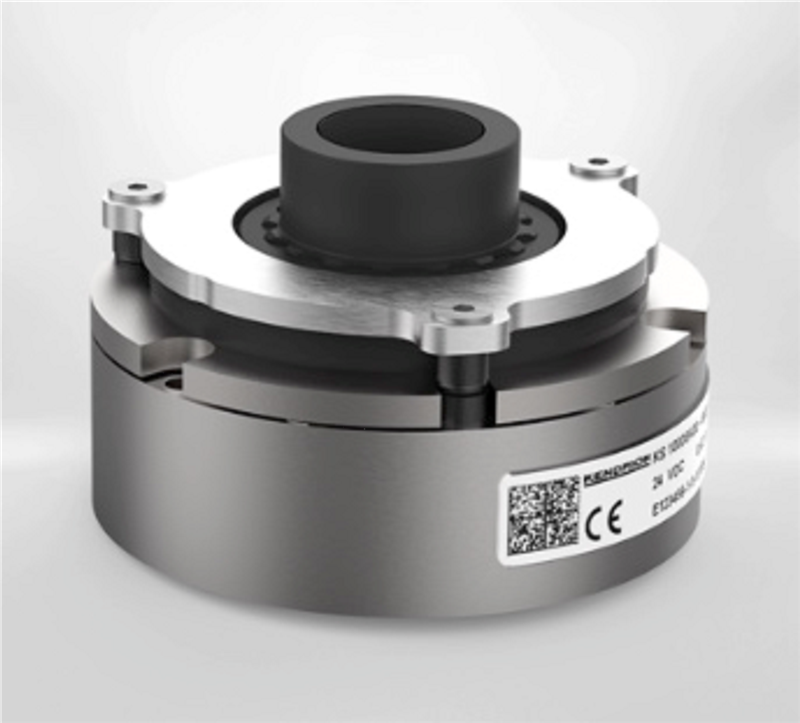
Permanent magnet single-disc brake |
Spring applied brake for servo motors |
Valves for active damping |
|
|
|
Source: Kendrion
Focus on industrial and automotive applications
For many years, Kendrion has been active in the market segments for industrial and automotive applications. Industrial represented 49% of FY23 revenues and can be split into Industrial Brakes (25% of group revenues) and Industrial Actuators & Controls (24%). Within Industrial Brakes, Kendrion provides electromagnetic brakes for electromotors and focuses on high-growth areas such as automation (including collaborative and medical robots), wind power and intra logistics (automated guided vehicles). Industrial Actuators & Controls focuses on applications that are based on electromagnetic actuators, control technology and fluid technology in market segments such as electricity distribution, control technology, industrial locks, nuclear power and inductive heating. Automotive focuses on advanced valve technology, smart actuation and control technology. Since 2023, this division is split between Core (combustion related, 68% of Automotive) and E (EV related, 32%).
Profitability is typically higher in Industrial and Kendrion expects Industrial to realise an EBITDA margin above the 15% level (assuming normalised market conditions), while Automotive achieves EBITDA margins below the 15% level.
|
Exhibit 12: FY23 revenue spread of activities |
Exhibit 13: FY23 EBITDA spread of activities |
|
|
|
Source: Kendrion |
Source: Kendrion |
|
Exhibit 12: FY23 revenue spread of activities |
|
|
Source: Kendrion |
|
Exhibit 13: FY23 EBITDA spread of activities |
|
|
Source: Kendrion |
Kendrion’s products are used in many different applications, in both the Industrial and Automotive segments. A list of these applications is shown in Exhibit 14.
Exhibit 14: Overview of applications in FY23 (unchanged from FY22)
Industrial |
Automotive |
Energy generation and distribution |
Active suspension systems |
Food and beverage industry |
Fuel systems |
Industrial automation |
Mobile hydraulics |
Intralogistics |
Acoustic vehicle alerting systems |
Medical equipment |
Thermal management |
Robotics |
Sensor cleaning systems |
Textile machinery |
Transmission systems |
Wind Power |
Industrial |
Energy generation and distribution |
Food and beverage industry |
Industrial automation |
Intralogistics |
Medical equipment |
Robotics |
Textile machinery |
Wind Power |
Automotive |
Active suspension systems |
Fuel systems |
Mobile hydraulics |
Acoustic vehicle alerting systems |
Thermal management |
Sensor cleaning systems |
Transmission systems |
Source: Kendrion
Kendrion’s geographical spread shows that Europe is its largest region, accounting for 70% of total revenues, while the Americas and Asia represent the remaining 30% (see Exhibit 15). When looking at the company’s two divisions, Automotive is relatively more exposed to the Americas and Industrial is relatively more exposed to Asia.
Exhibit 15: Geographical spread of revenues, FY23
Total revenues |
Industrial |
Automotive |
|
|
|
Source: Kendrion
Exhibit 16 shows examples of the company’s customers in each division. Within Industrial, the company has longstanding relationships with, for example, Lenze and Siemens. Within Automotive, customers include Continental, Daimler Group and Volkswagen Group. ThyssenKrupp Bilstein was the company’s first customer for its active damping systems. In FY23, two customers accounted for over 5% of group revenues: Volkswagen Group and ThyssenKrupp Bilstein within Automotive. Customers in Automotive tend to be larger than in Industrial, where Kendrion has a large roster of many smaller customers.
Exhibit 16: Examples of customers per division in FY23
Industrial |
Automotive |
ABB |
BMW |
ASML |
Continental |
Collins Aerospace |
Daimler Group |
Eaton Corporation |
Danfoss |
Euchner |
Ford |
Fresenius |
Great Wall Motors |
Jiangxi Special Motors |
Hyundai Kia |
Lancer |
KYB |
Lenze |
Marelli |
Oerlikon |
Stellantis |
Schneider Electric |
ThyssenKrupp Bilstein |
Siemens |
Volkswagen Group |
ZF Friedrichshafen |
Industrial |
ABB |
ASML |
Collins Aerospace |
Eaton Corporation |
Euchner |
Fresenius |
Jiangxi Special Motors |
Lancer |
Lenze |
Oerlikon |
Schneider Electric |
Siemens |
Automotive |
BMW |
Continental |
Daimler Group |
Danfoss |
Ford |
Great Wall Motors |
Hyundai Kia |
KYB |
Marelli |
Stellantis |
ThyssenKrupp Bilstein |
Volkswagen Group |
ZF Friedrichshafen |
Source: Kendrion. Note: Shaded companies are new in the list compared to last year.
Exhibit 17: Financial summary
€m |
2020 |
2021 |
2022 |
2023 |
2024e |
2025e |
Year end 31 December |
IFRS |
IFRS |
IFRS |
IFRS |
IFRS |
IFRS |
INCOME STATEMENT |
||||||
Revenue |
396.4 |
463.6 |
519.3 |
518.5 |
542.0 |
586.1 |
Gross Profit |
191.0 |
225.8 |
249.3 |
242.9 |
256.8 |
280.6 |
EBITDA normalised |
44.6 |
55.8 |
57.4 |
53.1 |
62.8 |
78.4 |
EBITDA reported |
40.2 |
51.7 |
(6.6) |
50.6 |
62.8 |
78.4 |
Depreciation & Amortisation |
(25.7) |
(23.9) |
(23.3) |
(23.7) |
(24.2) |
(24.0) |
EBITA normalised |
18.9 |
31.9 |
34.1 |
29.4 |
38.6 |
54.4 |
Amortisation of acquired intangibles |
(4.4) |
(3.9) |
(4.7) |
(3.1) |
(3.2) |
(3.2) |
Exceptionals (Edison definition) |
(4.4) |
(4.1) |
(64.0) |
(2.5) |
0.0 |
0.0 |
EBIT reported |
10.1 |
23.9 |
(-34.6) |
23.8 |
35.4 |
52.2 |
Net Interest |
(4.4) |
(3.7) |
(5.1) |
(9.9) |
(9.3) |
(8.6) |
Participations |
0.0 |
(0.1) |
0.0 |
0.0 |
0.0 |
0.0 |
Profit Before Tax |
5.7 |
20.1 |
(39.7) |
13.9 |
26.1 |
43.7 |
Reported tax |
(1.4) |
(5.7) |
(6.6) |
(4.0) |
(7.2) |
(11.8) |
Profit After Tax |
4.3 |
14.4 |
(46.3) |
9.9 |
18.9 |
31.9 |
Net income (normalised) |
11.7 |
20.6 |
21.7 |
13.9 |
22.1 |
34.1 |
Net income (reported) |
4.3 |
14.4 |
(46.3) |
9.9 |
18.9 |
32.9 |
Average number of shares (m) |
14.8 |
14.8 |
15.0 |
15.2 |
15.3 |
15.3 |
Total number of shares (m) |
14.9 |
14.9 |
15.1 |
15.3 |
15.3 |
15.3 |
EPS normalised before amortisation (€) |
0.79 |
1.39 |
1.45 |
0.91 |
1.45 |
2.23 |
EPS reported (€) |
0.29 |
0.97 |
(3.09) |
0.65 |
1.24 |
2.15 |
DPS (€) |
0.40 |
0.69 |
0.72 |
0.45 |
0.72 |
1.11 |
Revenue growth |
-3.9% |
17.0% |
12.0% |
-0.2% |
4.5% |
8.2% |
Gross Margin |
48.4% |
48.3% |
48.1% |
46.9% |
47.4% |
47.9% |
EBITDA Margin |
11.3% |
12.0% |
11.1% |
10.2% |
11.6% |
13.4% |
Normalised Operating Margin |
4.8% |
6.9% |
6.6% |
5.7% |
7.1% |
9.3% |
BALANCE SHEET |
||||||
Fixed Assets |
299.6 |
324.5 |
278.5 |
281.5 |
278.9 |
277.9 |
Intangible Assets |
159.1 |
183.4 |
126.5 |
125.8 |
126.0 |
126.4 |
Tangible Assets |
118.7 |
121.9 |
131.6 |
134.5 |
131.8 |
130.2 |
Investments & other |
21.8 |
19.2 |
20.4 |
21.2 |
21.2 |
21.2 |
Current Assets |
129.5 |
166.3 |
198.1 |
180.8 |
201.6 |
229.5 |
Stocks |
61.7 |
79.7 |
85.1 |
87.4 |
90.8 |
97.5 |
Debtors |
47.2 |
56.8 |
58.8 |
54.5 |
56.4 |
60.4 |
Other current assets |
7.6 |
11.2 |
16.4 |
18.3 |
19.1 |
20.7 |
Cash & cash equivalents |
13.0 |
18.6 |
37.8 |
20.6 |
35.3 |
51.0 |
Current Liabilities |
87.9 |
97.6 |
104.8 |
108.7 |
113.1 |
121.3 |
Creditors |
44.0 |
51.6 |
54.9 |
58.3 |
60.9 |
65.2 |
Other current liabilities |
31.9 |
33.2 |
38.4 |
38.0 |
39.7 |
42.7 |
Short term borrowings |
12.0 |
12.8 |
11.5 |
12.4 |
12.4 |
12.4 |
Long Term Liabilities |
137.8 |
170.2 |
196.8 |
181.6 |
181.6 |
181.6 |
Long term borrowings |
104.2 |
136.4 |
166.6 |
153.2 |
153.2 |
153.2 |
Other long term liabilities |
33.6 |
33.8 |
30.2 |
28.4 |
28.4 |
28.4 |
Shareholders' equity |
203.4 |
223.0 |
175.0 |
172.0 |
185.9 |
204.5 |
Balance sheet total |
429.1 |
490.8 |
476.6 |
462.3 |
478.5 |
505.4 |
CASH FLOW |
||||||
Op Cash Flow before WC and tax |
40.6 |
54.6 |
52.1 |
48.0 |
62.8 |
78.4 |
Working capital |
5.4 |
(17.4) |
(4.9) |
5.6 |
(1.7) |
(5.0) |
Tax |
(1.3) |
(6.2) |
(5.2) |
(9.0) |
(7.2) |
(11.8) |
Net interest |
(2.9) |
(3.2) |
(4.1) |
(8.2) |
(9.5) |
(8.8) |
Net operating cash flow |
41.8 |
27.8 |
37.9 |
36.4 |
44.4 |
52.8 |
Capex |
(16.0) |
(30.0) |
(37.7) |
(30.3) |
(24.8) |
(26.1) |
Acquisitions/disposals |
(78.2) |
(18.8) |
(0.2) |
0.7 |
2.0 |
0.0 |
Equity financing |
0.0 |
0.0 |
0.0 |
0.0 |
0.0 |
0.0 |
Dividends |
0.0 |
(4.3) |
(7.1) |
(7.1) |
(6.9) |
(11.1) |
Other |
(3.4) |
(2.1) |
(2.5) |
(4.5) |
0.0 |
0.0 |
Net Cash Flow |
(55.8) |
(27.4) |
(9.6) |
(4.8) |
14.7 |
15.7 |
Opening net debt/(cash) |
47.4 |
103.2 |
130.6 |
140.2 |
145.0 |
130.3 |
Closing net debt/(cash) |
103.2 |
130.6 |
140.2 |
145.0 |
130.3 |
114.6 |
Source: Kendrion accounts, Edison Investment Research
|
|
Research: Metals & Mining
On 4 March, KEFI announced a firm placing of 750m new shares to raise £4.5m at a price of 0.6p/share plus a further 83.3m shares (subject to approval by shareholders at a general meeting on 26 March), also at 0.6p, in direct settlement of a number of the company’s liabilities. Finally, on 5 March, it announced the closure of a simultaneous retail offer via PrimaryBid to raise a further £0.5m via the issue of a further 82.7m shares. Assuming approval at the company’s general meeting, in aggregate, KEFI will be raising £5.5m (gross) via the issue of 916.0m shares, such that the final total, post-presumed 26 March approval, will be 5,881.1m.