Last close As at 05/08/2026
—
— 0.00 (0.00%)
Market capitalisation
—
Research: Industrials
COVID-19 shutdowns and associated additional costs affected VivoPower’s Australian critical power business and hence group profitability, especially given the remaining divisions are primarily in investment mode. These nascent activities are critical to value creation, primarily the Tembo EV business and the potential from the recently announced crypto mining business.
VivoPower International |
COVID-19 financial impact vs operational progress |
Interim results update |
General industrials |
28 February 2022 |
Share price performance
Business description
Next events
Analyst
VivoPower International is a research client of Edison Investment Research Limited |
|||||||||||||||||||||||||||||||||||||||||||||
COVID-19 shutdowns and associated additional costs affected VivoPower’s Australian critical power business and hence group profitability, especially given the remaining divisions are primarily in investment mode. These nascent activities are critical to value creation, primarily the Tembo EV business and the potential from the recently announced crypto mining business.
Year end |
Revenue ($m) |
PBT* |
EPS* |
DPS |
P/E |
Yield |
06/20 |
48.7 |
(1.0) |
(12.0) |
0.0 |
N/A |
N/A |
06/21 |
40.4 |
(5.2) |
(31.0) |
0.0 |
N/A |
N/A |
06/22e |
42.3 |
(15.2) |
(69.8) |
0.0 |
N/A |
N/A |
06/23e |
60.1 |
(13.5) |
(62.2) |
0.0 |
N/A |
N/A |
Note: *PBT and EPS are normalised, excluding amortisation of acquired intangibles, exceptional items and share-based payments.
H122 interim results in brief
Sales declined 11% to $18.9m in H122. Operating losses widened to $7.3m (H121: $0.4m) due to COVID-19-related delays and costs including a $1.1m loss on a solar installation contract with operational investment in the Tembo EV business (loss $2.5m vs $0.2m). The loss before tax was $10.3m before exceptional items. Net debt increased to $21.9m (cash $3.3m) from $14.5m at the year end.
Operational progress
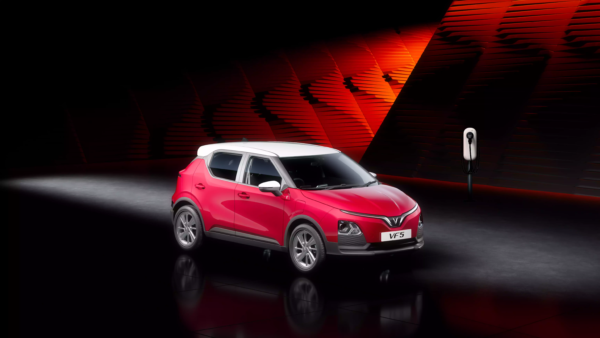
A new company called Caret has been established to develop the group’s solar assets including a cryptocurrency mining operation. In electric vehicles, Tembo is moving to a new facility in Eindhoven, doubling the current footprint, and Vivo has announced the planned acquisition of GB Auto in Australia (subject to due diligence and customary conditions being fulfilled, the timing has been affected by COVID-19). Current global auto supply chain issues are delaying the ramp-up timetable.
Forecast changes
The consequences of prolonged and strict COVID-19 lockdowns in key markets, especially Australia, led to softer than expected H1 results. These issues and costs are expected to continue for much of Q3, limiting the H2 recovery. The nascent businesses are expected to remain loss making, while the global automotive supply chain shortages suggest c 12-month delays in volume ramp-up at Tembo. In addition to the above operational effects, the interest charge is expected to be higher due to the opening net debt position. We have increased our FY22 loss before tax forecast from $0.9m to $15.2m and FY23e from $1.4m to $13.5m.
Valuation: Tembo EV division remains key
The key to our discounted cash flow valuation remains the success of Tembo. Assuming a cost of capital (WACC) of 14% and 2,500 units delivered in 2025 (previous expectation 5,000) suggests a valuation of $10.4 per share (from $19/share previously). Note that we have not ascribed any value to the new crypto mining business given the limited details available or taken into account any potential impact from additional funding that may be required.
Interim results
Overview
Continued COVID-19 restrictions in key markets, particularly Australia, continued to affect the ability to deliver contracts and led to additional costs. Sales declined 11% and losses widened to $7.3m due to costs and a $1.1m loss on a contract in Critical Power Services. Strategic progress has been positive, particularly for the Tembo business and development of the solar strategy, after taking full control of its US assets with a realisation of $20m within a new digital currency mining venture (these are reviewed later in more detail). Vivo also successfully passed its B Corp reassessment.
Exhibit 1: Profit and loss summary
$000s |
2020 |
H121 |
H221 |
2021 |
H122 |
Group turnover |
48,710 |
22,656 |
17,755 |
40,411 |
18,945 |
Operating profit |
|||||
Critical Power |
3,351 |
2,562 |
119 |
2,681 |
(690) |
Electric Vehicles |
|
(184) |
(1,983) |
(2,167) |
(2,535) |
SES |
|
|
|
|
(445) |
Solar |
1,083 |
(893) |
498 |
(395) |
(22) |
Central costs |
(-2265) |
(1,860) |
(3,041) |
(4,901) |
(3,620) |
Underlying operating profit |
2,169 |
(375) |
(4,407) |
(4,782) |
(7,311) |
Exceptionals |
|
|
|
|
|
Reorganisation costs |
(3,410) |
(364) |
(1,856) |
(2,220) |
(514) |
Other |
|
(1,536) |
876 |
(660) |
|
EBIT (reported) |
(1,241) |
(2,275) |
(5,387) |
(7,662) |
(7,825) |
|
|
|
|
|
|
Financing charges |
(3,149) |
2,259 |
(2,670) |
(411) |
(3,021) |
PBT reported |
(4,390) |
(16) |
(8,057) |
(8,073) |
(10,846) |
PBT before exceptionals |
(980) |
1,884 |
(7,077) |
(5,193) |
(10,332) |
Source: Edison Investment Research, VivoPower International
Critical Power
Critical Power’s H122 results were significantly weaker than the corresponding period in 2021 due to the COVID-19 restrictions and associated additional costs. A comparison with H221 when similar restrictions were in place suggests improvements in the top line but there was a decline from a $119k profit to a $688k loss. This was due entirely to the one-off $1.1m COVID-19 related loss on the BlueGrass solar project, suggesting underlying improving performance. Note that Australian peer Mayfield has reported similar trading difficulties, and released a profit warning. Critical Power’s strong order position, heads of terms up 72% year-on-year and expectation for pent-up demand should see the performance improve in H2, although with COVID-19 restrictions in place for the third quarter (Australia’s international borders only opened in February although Western Australia delayed opening until March) full recovery is not expected until FY23.
Exhibit 2: Critical Power divisional results
$000s |
2020 |
H121 |
H221 |
2021 |
H122 |
Sales |
48,638 |
22,196 |
16,636 |
38,832 |
18,007 |
COGS |
(40,865) |
(17,581) |
(15,211) |
(32,792) |
(17,222) |
Gross Profit |
7,773 |
4,615 |
1,425 |
6,040 |
785 |
G&A costs/other income |
(2,745) |
(1,208) |
(249) |
(1,457) |
(569) |
EBITDA |
5,028 |
3,407 |
1,176 |
4,583 |
216 |
D&A |
(1,718) |
(845) |
(1,057) |
(1,902) |
(904) |
Underlying EBIT |
3,310 |
2,562 |
119 |
2,681 |
(688) |
Gross margin |
16.0% |
20.8% |
8.6% |
15.6% |
4.4% |
EBITDA margin |
10.3% |
15.3% |
7.1% |
11.8% |
1.2% |
EBIT margin |
6.8% |
11.5% |
0.7% |
6.9% |
-3.8% |
Source: Edison Investment Research, VivoPower International
Electric vehicles
Electric vehicles’ turnover increased to $0.9m from $0.4m, although activity was curtailed by COVID-19 restrictions. Losses widened from $0.2m to $2.5m due primarily to increased opex, including investment to increase battery unit power from 28kWh to 72kWh. Expansion of the distribution network continues in line with plans (double over 12 months) and Vivo has announced a move to new premises in Eindhoven, which will permit capacity of up to 5,000 kits a year. Although the effects of COVID-19 should start to recede, supply chain issues in the automotive sector look set to be more protracted.
Exhibit 3: Tembo key agreements
Date |
Partner |
Region |
Contract |
Technology |
Minimum volume |
Timescale |
Value |
Jan-21 |
GB Auto |
Australia |
Definitive agreement |
Conversion kits |
2,000 |
4 years |
$250m |
May-21 |
Acces Industriel Mining |
Canada |
Heads of terms |
Conversion kits |
1,675 |
5.5 years |
$120m |
Jun-21 |
Arctic Trucks |
Nordic |
Heads of terms |
Conversion kits |
800 |
5.5 years |
$58m |
Jun-21 |
Toyota |
Global |
Letter of intent |
Technology partnership |
- |
5 years |
|
Jul-21 |
Bodiz |
Mongolia |
Heads of terms |
Conversion kits |
350 |
5 years |
$29m |
Sep-21 |
GHH |
Global |
Definitive agreement |
Conversion kits |
3,000 |
5 years |
Source: VivoPower International
SES, solar and central costs
Sustainable Energy Solution (SES) is a nascent business and hence marginally loss making as it looks to develop its products and end-markets. Solar business reflects the lack of disposals as Vivo took control of the US assets and looks to develop the portfolio. Central costs increased to reflect the increased development of the group.
Cash flow and financing
The operating loss and finance charges led to a cash outflow in the period of $7.4m, with net debt increasing to $21.9m. Management reports that cash of $3.3m has increased since the period end as COVID-19 restrictions have eased. Key to the funding of the group remains the $21.1m loan from AWN Holdings, the group’s largest shareholder, with bank debt of only $0.3m. Management expects working capital to unwind and increased activity in Critical Power to assist cash generation in H2. Additional financing is expected from UK R&D tax credits and European Investment Council grants and equity investments.
Exhibit 4: Cash flow
$000s |
2020 |
H121 |
H221 |
2021 |
H122 |
Operating profit (pre exc & g/w) |
2,169 |
(375) |
(4,407) |
(4,782) |
(7,311) |
Depreciation & amortisation |
1766 |
889 |
1367 |
2256 |
1173 |
EBITDA |
3,935 |
514 |
(3,040) |
(2,526) |
(6,138) |
Net change in WC |
(3,145) |
(5,686) |
(4,675) |
(10,361) |
2,099 |
(Profit)/loss on sale of fixed assets |
(1,589) |
324 |
71 |
395 |
|
Charge for share schemes |
|
704 |
374 |
1,078 |
|
Restructuring |
(3,410) |
(2,259) |
2,259 |
|
|
Other adjusting items |
|
(343) |
(3,306) |
(3,649) |
(755) |
Operating cash flow |
(4,209) |
(6,746) |
(8,317) |
(15,063) |
(4,794) |
Returns & servicing of finance |
(515) |
(3,135) |
(2,161) |
(5,296) |
(84) |
Total tax paid |
(477) |
(366) |
(354) |
(720) |
|
Net capex |
(452) |
(313) |
(588) |
(901) |
(2,888) |
Free cash flow |
(5,653) |
(10,560) |
(11,420) |
(21,980) |
(7,766)) |
Acquisitions & disposals |
746 |
(1,053) |
(728) |
(1,781) |
|
Shares issued / (repurchased) |
|
26,358 |
5,689 |
32,047 |
135 |
Net cash flow |
(4,907) |
14,745 |
(6,459) |
8,286 |
(7,631) |
Exchange rate differences |
(3,100) |
100 |
|
|
(81) |
Other non-cash |
(381) |
|
150 |
150 |
300 |
Net cash/(debt) b/fwd |
(14,557) |
(22,945) |
|
(22,945) |
(14,509) |
Movement in net debt |
(8,388) |
14,845 |
(6,309) |
8,436 |
(7,412) |
Net cash / (debt) |
(22,945) |
(8,100) |
|
(14,509) |
(21,921) |
Source: Edison Investment Research, VivoPower International
Recent strategic developments
Formation of digital asset mining business
Vivo took full control of its US solar development activities in 2021 and formed a new business unit called Caret to provide focus and future commercialisation of these assets. The first development is a letter of intent to create Caret Decimal Inc (CDI), a renewable-powered digital asset mining business. Initial expectations are for mining bitcoin, Ethereum and Litecoin, but CDI will be able to develop other blockchain opportunities.
CDI was created in partnership with an experienced New York-based crypto mining team. Caret will inject 206MW DC of fully permissioned solar assets in Texas in exchange for US$20m in equity. Further financing will be raised at the CDI level, including the potential for an IPO. Commissioning is expected to take 24 months and for the three sites to have 4,398 petahash capacity from a fleet of 33,000 mining rigs. The company expects this to provide revenue potential of c US$270m pa with an EBITDA margin of c 87% based on forecast bitcoin prices.
The following brief analysis looks to verify the revenue potential of the project.
|
Exhibit 5: Bitcoin mining revenue calculation |
|
|
Source: VivoPower |
Assuming that the block reward rate remains stable, Exhibit 6 provides analysis relative to the two key swing factors outside CDI’s control: the bitcoin price and annual growth in the network hashrate.
Exhibit 6: CDI revenue potential (US$m)
Bitcoin price (US$000) |
30 |
40 |
50 |
60 |
70 |
80 |
|
Annual growth in network hashrate |
25% |
182 |
243 |
303 |
364 |
425 |
485 |
50% |
126 |
169 |
211 |
253 |
295 |
337 |
|
75% |
93 |
124 |
155 |
186 |
217 |
248 |
|
100% |
71 |
95 |
119 |
142 |
166 |
190 |
Source: Edison Investment Research
We await further details on the exact timing, financial investment and funding, which is expected to take place at the CDI level. Note that Caret has a further 1.6GW of solar assets in varying stages of development.
Acquisition of GB Auto
Vivo has signed a letter of intent to acquire GB Auto, a supplier of a services, products and technology to fleet, heavy vehicle and mobile equipment operators in the mining, construction, transport and agriculture industries. GB has five centres in New South Wales. It is also Tembo’s Australian distributor, hence full ownership is expected to provide closer alignment with end-customers, especially in mining, and accelerate adoption. In the year to June 2021, GB Auto generated sales of $22.3m and adjusted EBITDA of US$2.1m (unaudited). The cash/debt-free price of US$7.6m translates into an EV/EBITDA multiple of 3.6x and will be funded 75% in cash and 25% in VivoPower shares. COVID-19 restrictions have delayed due diligence and the deal is now expected to be completed in mid-CY22.
Forecast changes
The financial effect of COVID-19 led to softer than expected H1 results with these COVID-19 restrictions and costs expected to continue for much of Q3 limiting the H2 recovery that had been expected. The nascent businesses are expected to remain loss making, as per previous expectations, but the effect of the global automotive supply chain shortages suggests a greater impact and delays in deliveries by c 12 months would be a prudent assumption. Central costs are expected to moderate now that the required infrastructure has been put in place. In addition to the above operational impacts, the interest charge is expected to be higher due to the opening net debt position.
Exhibit 7 provides a summary of our forecast changes and initial FY24 expectations.
Exhibit 7: Forecast changes
$m |
2022e |
2023e |
2024e |
|||||
Old |
New |
Change |
Old |
New |
Change |
New |
||
Revenues |
52.3 |
42.3 |
(19%) |
133.2 |
60.1 |
(55%) |
135.5 |
|
Gross profit |
5.0 |
2.0 |
(60%) |
20.7 |
6.2 |
(70%) |
17.2 |
|
Gross margin |
9.6% |
4.8% |
(5%) |
15.5% |
10.4% |
(5%) |
12.7% |
|
EBITDA |
5.3 |
(8.2) |
(255%) |
11.6 |
(4.7) |
(141%) |
4.3 |
|
EBITDA margin |
10.1% |
(19.4%) |
(292%) |
8.7% |
(7.8%) |
(190%) |
3.2% |
|
Normalised operating profit |
0.2 |
(10.8) |
N/A |
2.1 |
(9.7) |
N/A |
(2.5) |
|
Normalised operating profit margin |
0.4% |
(25.5%) |
(26%) |
1.6% |
(16.1%) |
(18%) |
(1.9%) |
|
Normalised PBT |
(0.9) |
(15.2) |
N/A |
(1.4) |
(13.5) |
866% |
(8.3) |
|
Normalised basic EPS (c) |
(4.1) |
(69.8) |
1603% |
(6.2) |
(62.3) |
904% |
(38.3) |
|
Source: Edison Investment Research
Valuation
We continue to believe that a discounted cash flow (DCF) is the most appropriate valuation given that the key value creation will come through the ramp-up of Tembo. The group has commitments for 7,825 units over the next five years, which underpins expansion plans, although given the global automotive supply-chain issues, we have delayed our volume ramp-up expectations by around 12 months. Exhibit 8 provides a per-share valuation based on the number of vehicle deliveries in 2025 and the WACC. Our assumption is for 2,500 deliveries in 2025 (previously 5,000), which, using a WACC of 14.0%, suggests a valuation of $10.4 per share. Note that we have not taken into account the new crypto mining venture at this point given the limited information on structure and timing. Also, we have not taken into account the impact of any additional funding that may be required although management expects much of Tembo’s funding to come from European green grants and working capital facilities, while management has already stated that CDI will be funded separately, outside of Vivo.
Exhibit 8: DCF valuation per share ($)
2025 Tembo deliveries |
||||||
1,500 |
2,000 |
2,500 |
3,000 |
3,500 |
||
|
18.0% |
2.3 |
3.9 |
5.4 |
6.9 |
8.4 |
17.0% |
2.8 |
4.7 |
6.3 |
8.0 |
9.7 |
|
16.0% |
3.5 |
5.6 |
7.4 |
9.3 |
11.2 |
|
15.0% |
4.4 |
6.7 |
8.8 |
10.9 |
13.0 |
|
14.0% |
5.4 |
8.0 |
10.4 |
12.8 |
15.2 |
|
13.0% |
6.7 |
9.6 |
12.4 |
15.1 |
17.8 |
|
12.0% |
8.3 |
11.7 |
14.9 |
18.0 |
21.2 |
|
11.0% |
10.4 |
14.3 |
18.1 |
21.8 |
25.5 |
|
Source: Edison Investment Research
Exhibit 9: Financial summary
$000s |
2020 |
2021 |
2022e |
2023e |
2024e |
Year end 30 June |
IFRS |
IFRS |
IFRS |
IFRS |
IFRS |
INCOME STATEMENT |
|||||
Revenue |
48,710 |
40,411 |
42,280 |
60,144 |
135,547 |
Cost of Sales |
(40,885) |
(34,084) |
(40,258) |
(53,910) |
(118,315) |
Gross Profit |
7,825 |
6,327 |
2,021 |
6,234 |
17,233 |
EBITDA |
3,935 |
(2,526) |
(8,210) |
(4,698) |
4,298 |
Normalised operating profit |
2,169 |
(4,782) |
(10,801) |
(9,656) |
(2,508) |
Amortisation of acquired intangibles |
0 |
0 |
0 |
0 |
0 |
Exceptionals |
(3,410) |
(2,880) |
(1,000) |
0 |
0 |
Share-based payments |
0 |
0 |
0 |
0 |
0 |
Reported operating profit |
(1,241) |
(7,662) |
(11,801) |
(9,656) |
(2,508) |
Net Interest |
(3,149) |
(411) |
(4,374) |
(3,870) |
(5,805) |
Joint ventures & associates (post tax) |
0 |
0 |
|||
Exceptionals |
3,410 |
2,880 |
1,000 |
||
Profit Before Tax (norm) |
(980) |
(5,193) |
(15,175) |
(13,526) |
(8,313) |
Profit Before Tax (reported) |
(4,390) |
(8,073) |
(16,175) |
(13,526) |
(8,313) |
Reported tax |
(713) |
115 |
809 |
676 |
416 |
Profit After Tax (norm) |
(980) |
(5,193) |
(14,416) |
(12,850) |
(7,897) |
Profit After Tax (reported) |
(5,103) |
(7,958) |
(15,366) |
(12,850) |
(7,897) |
Basic average number of shares (m) |
13,557 |
16,307 |
20,642 |
20,642 |
20,642 |
EPS - basic normalised ($) |
(12.0) |
(31.00) |
(69.84) |
(62.25) |
(38.26) |
EPS - diluted normalised ($) |
(12.0) |
(31.00) |
(69.84) |
(62.25) |
(38.26) |
EPS - basic reported ($) |
(37.64) |
(46.00) |
(74.44) |
(62.25) |
(38.26) |
Dividend ($) |
0.00 |
0.00 |
0.00 |
0.00 |
0.00 |
BALANCE SHEET |
|||||
Fixed Assets |
41,907 |
52,519 |
54,424 |
60,607 |
73,377 |
Intangible Assets |
29,849 |
47,449 |
48,818 |
52,362 |
56,544 |
Tangible Assets |
2,486 |
2,575 |
3,111 |
5,750 |
14,338 |
Investments & other |
9,572 |
2,495 |
2,495 |
2,495 |
2,495 |
Current Assets |
20,473 |
23,993 |
19,154 |
23,605 |
43,057 |
Stocks |
0 |
1,537 |
1,338 |
2,592 |
9,557 |
Debtors |
12,556 |
12,712 |
11,817 |
15,013 |
27,501 |
Cash & cash equivalents |
2,824 |
8,604 |
5,000 |
5,000 |
5,000 |
Other |
5,093 |
1,140 |
1,000 |
1,000 |
1,000 |
Current Liabilities |
(19,679) |
(13,431) |
(14,655) |
(20,202) |
(40,135) |
Creditors |
(15,395) |
(8,917) |
(10,221) |
(14,187) |
(30,836) |
Tax and social security |
(75) |
(708) |
101 |
777 |
1,193 |
Short term borrowings |
(1,312) |
(1,004) |
(1,000) |
(2,000) |
(3,000) |
Other |
(2,897) |
(2,802) |
(3,535) |
(4,792) |
(7,492) |
Long Term Liabilities |
(24,811) |
(22,663) |
(31,462) |
(46,654) |
(66,510) |
Long term borrowings |
(24,642) |
(22,087) |
(31,254) |
(46,372) |
(66,068) |
Other long term liabilities |
(169) |
(576) |
(208) |
(282) |
(441) |
Net Assets |
17,890 |
40,418 |
27,461 |
17,356 |
9,789 |
Minority interests |
184 |
0 |
0 |
0 |
0 |
Shareholders' equity |
18,074 |
40,418 |
27,461 |
17,356 |
9,789 |
CASH FLOW |
|||||
Op Cash Flow before WC and tax |
3,935 |
(2,526) |
(8,210) |
(5,568) |
4,574 |
Working capital |
(3,145) |
(10,361) |
2,442 |
2,031 |
(614) |
Exceptional & other |
(4,999) |
(2,176) |
522 |
1,000 |
1,000 |
Tax |
(477) |
(720) |
(50) |
0 |
0 |
Net operating cash flow |
(4,686) |
(15,783) |
(5,296) |
(2,537) |
4,961 |
Capex |
(452) |
(901) |
(4,810) |
(9,711) |
(19,852) |
Acquisitions/disposals |
746 |
(1,781) |
0 |
0 |
0 |
Net interest |
(515) |
(5,296) |
(2,774) |
(3,870) |
(5,805) |
Equity financing |
0 |
32,047 |
135 |
0 |
0 |
Dividends |
0 |
0 |
0 |
0 |
0 |
Other |
|||||
Net Cash Flow |
(4,907) |
8,286 |
(12,745) |
(16,118) |
(20,696) |
Opening net debt/(cash) |
(14,557) |
(22,945) |
(14,509) |
(27,254) |
(43,372) |
FX |
(3,100) |
0 |
0 |
0 |
0 |
Other non-cash movements |
(381) |
150 |
0 |
0 |
0 |
Closing net debt/(cash) |
(22,945) |
(14,509) |
(27,254) |
(43,372) |
(64,068) |
Source: Edison Investment Research, VivoPower International
|
|
Research: TMT
4imprint’s year-end trading update points to FY21 revenues of $787m, ahead of our expectation of $775m, up 41% on the prior year, after a strong Q4. PBT is indicated at the high end of the (wide) consensus range and we increase our estimate from $22.6m to $30.4m. Supply chain and inflation issues look set to continue, so margins will take longer to recover to the levels pre-COVID-19 pandemic, but the group has a degree of flexibility around substitution and pricing, which should mitigate the heaviest potential trading impact. 4imprint’s long-term growth record, strong cash generation and robust balance sheet underpin the premium rating.