British Polythene Industries
Written by
British Polythene Industries |
Steering a steady course |
FY15 results |
General industrials |
17 March 2016 |
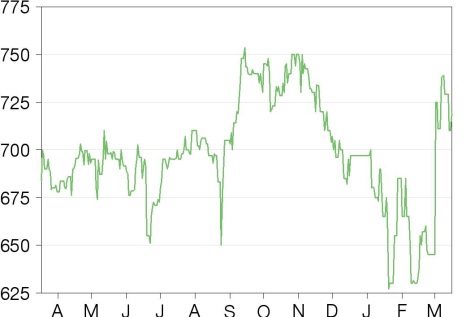
Share price performance
Business description
Next events
Analysts
British Polythene Industries is a research client of Edison Investment Research Limited |
|||||||||||||||||||||||||||||||||||||||||||||||||||
British Polythene Industries (BPI) successfully navigated a challenging FY15 trading year to deliver very respectable progress in profitability, earnings and dividends. Management is sticking to its tried and tested formula of investing in the business to enhance capability, market position and product offering and we expect further progress to flow from this.
Year end |
Revenue (£m) |
PBT* |
EPS* |
DPS |
P/E |
Yield |
12/14 |
499.0 |
25.1 |
66.2 |
16.0 |
10.9 |
2.2 |
12/15 |
468.3 |
27.4 |
76.6 |
18.0 |
9.4 |
2.5 |
12/16e |
493.2 |
29.7 |
80.1 |
19.3 |
9.0 |
2.7 |
12/17e |
501.8 |
31.3 |
84.4 |
20.6 |
8.5 |
2.9 |
Note: *PBT and EPS (fully diluted) are normalised, excluding pension net finance costs amortisation of acquired intangibles and exceptional items.
Underlying progress made in all three regions
FY15 results came in £0.4m ahead of our expectations at PBT £27.4m, up almost 9% on the previous year. EPS and DPS rose by 16% and 12.5% respectively. All three regions improved their operating profit contributions in local currency y-o-y, although Europe’s reported result was affected by adverse FX translation effects. The well flagged investment programme in production capability continued across the group and, as reported in H115, a sizeable cash injection was made into the group pension scheme following indexation changes. Although net bank debt increased over the year, BPI remains conservatively geared, with financial flexibility to expand organically or via acquisition.
Further progress anticipated
We understand that FY16 started well from a trading perspective with a more stable/slightly softer polymer price environment and weaker sterling in the year to date. Management has stated its confidence in making further progress in FY16 overall. Investment in expanding capability and improving operating efficiencies is set to continue, with the benefits from recent capex still flowing through. BPI has also signalled a willingness to supplement organic progress with acquisitions. Ahead of the June EU referendum, we note that BPI has substantial UK and European operations; both regions export (with external UK to EU sales of c £37m) while internal product flows are not material. At this stage, it is too early to say what impact (if any) on UK farming could be in the event of Brexit occurring and we note that the UK generates less than 20% of agricultural film sales.
Valuation: Modest rating attractions
The share price has responded well to the FY15 results announcement, increasing by c 10%, moving into positive territory year to date and outperforming the FTSE All-Share Index. On our revised estimates, the three-year EPS CAGR (FY15-18e) is running at just below 5%, with a DPS CAGR of 7% over the same time period. Consequently, the current year P/E and dividend yield are 9.0x and 2.7% respectively (with EV/EBITDA, adjusted for pensions recovery cash, of c 5.5x). These ratings are modest in the context of trading achievements in recent years, and securing earnings-accretive acquisitions would further enhance the attraction.
FY15 results overview
BPI delivered a c 9% increase in normalised PBT with EPS up c 16% despite a modest reduction in group volume (-0.7%), FX headwinds (adverse revenue and EBIT impacts of c £15m and £1.6m respectively) and considerable polymer price volatility during the year. This result was just ahead of our estimate (ie reported normalised PBT £27.4m versus £27m expected). DPS rose by 12.5%
y-o-y to 18p. Further capex and a pension scheme cash payment were the two most significant long-term investment actions taken and resulted in net bank debt increasing to £32.1m (or 0.7x EBITDA) at the year end.
Exhibit 1: BPI divisional and interim splits
December y/e |
IAS19R |
IAS19R |
IAS19R |
IAS19R |
IAS19R |
IAS19R |
% chg y-o-y |
% chg y-o-y |
% chg y-o-y |
% chg y-o-y |
||
£m |
H1 |
H2 |
2014 |
H1 |
H2 |
2015 |
H115 |
FY15 |
H115 |
FY15 |
||
Reported |
Reported |
CER |
CER |
|||||||||
Group turnover |
281.1 |
217.8 |
499.0 |
265.8 |
202.6 |
468.3 |
-5.5% |
-6.1% |
2.0% |
-3.0% |
||
UK/Ireland |
186.8 |
149.5 |
336.3 |
172.6 |
142.5 |
315.1 |
-7.6% |
-6.3% |
||||
Mainland Europe |
95.9 |
52.8 |
148.7 |
90.6 |
50.2 |
140.8 |
-5.5% |
-5.3% |
5.9% |
4.5% |
||
North America |
10.3 |
16.3 |
26.6 |
12.2 |
12.6 |
24.8 |
18.4% |
-6.6% |
8.2% |
-13.0% |
||
Inter company |
-11.9 |
-0.7 |
-12.6 |
-9.6 |
-2.8 |
-12.4 |
||||||
Group EBIT |
17.0 |
9.7 |
26.7 |
18.0 |
10.6 |
28.6 |
5.9% |
7.1% |
13.0% |
13.0% |
||
UK/Ireland |
7.5 |
3.7 |
11.2 |
7.6 |
4.0 |
11.6 |
1.3% |
3.1% |
||||
Mainland Europe |
10.1 |
6.2 |
16.3 |
9.6 |
6.1 |
15.7 |
-5.0% |
-3.3% |
6.5% |
6.5% |
||
North America |
-0.6 |
-0.2 |
-0.8 |
0.8 |
0.5 |
1.3 |
N/M |
N/M |
N/M |
N/M |
Source: BPI
UK/Ireland (188,700 tonnes sold, -2.6%): market conditions were challenging throughout the year with very volatile input prices, especially in H1, and ongoing margin pressure from consumer sector customers. Overall, average polymer prices were lower in the year, partly due to sterling strength. Volume was also lower; around half the reduction was due to a discontinued refuse sack contract, with other consumer film subsectors and a shorter agricultural selling period also contributing. The decline was more pronounced y-o-y in the seasonally quieter H2 and cost reduction actions were taken at three UK sites, as announced in Q4. Despite these challenges, BPI’s UK operations delivered improved profitability on both absolute and profit per tonne measures. The latter is consistent with the trend in recent years, which we believe has been driven by a site consolidation phase followed by investment to improve both efficiency and technical product quality at a number of them subsequently.
Mainland Europe (75,400 tonnes sold, +4.5%): the three European operations collectively had a very successful year, delivering increased volume and (in local currency) revenues and operating profit in FY15. Moreover, they also achieved improved revenue and operating profit per tonne with the reported operating margin rising by 20bp to 11.1%. All of the y-o-y volume increase was achieved in H1, reflecting the commissioning of new silage film capacity in 2014, although the margin contribution was constrained somewhat by sharp polymer price increases at the beginning of the selling season. We understand that Industrial volumes were also ahead in the year, as a result of good sales performance backed up by good operating efficiencies. A c 11% adverse movement in the average £/€ rate affected reported sterling profits by c £1.6m; this was down c £0.7m y-o-y, but a better outturn than we had expected. As we mention later, this £/€ strength has now largely unwound and the FY16 year to date movement, if sustained, will bring y-o-y translation benefits.
North America (8,000 tonnes sold, -1.2%): performance improved sharply with a £2.1m swing from a previous year loss to £1.3m operating profit in FY15. We believe this to be the best contribution since BPI acquired AT Films in 2007. Fairly steady profitability was interrupted in FY14 due to a delayed commissioning of more efficient replacement capacity. The benefits of this are now clearer and we note that the profit improvement was generated from comparable volumes shipped. Some lower-margin work (ie overwintering sheet) was exited in the period and we believe there is available capacity for growth from new products and more favourable H2 weather conditions.
UK cost base trimmed
As announced on 11 November, BPI undertook some cost reduction actions in the UK operations towards the end of FY15. These comprised:
■
Widnes (small industrial/pallet stretch film producer) – facility closed.
■
Worcester (consumer film converter) - reduced headcount.
■
Sevenoaks (consumer film extruder) – reduced headcount.
The total P&L charge for these items in the period was £1.1m – with an expected y-o-y benefit of c £0.5m – and we understand that the associated cash outflow took place during FY15 also.
Underlying cash flow funds investment and pensions
BPI ended FY15 with net debt at £32.1m, up £8m from the end of the previous year after a modestly favourable FX translation effect. As reported at the interim stage, an £11.2m one-off payment was made into the UK pension scheme following a switch to CPI indexation. So, before this payment, BPI was modestly cash positive in the year. The reported group net cash outflow was in line with our expectations at the headline level, although there were some variances that broadly offset each other. Against our estimates, the primary elements of this were a higher absorption into working capital and lower capex and tax cash outflows.
Looking at absolute movements, underlying operating cash flow was very similar to the previous year at c £39m with higher working capital investment at the year-end slightly exceeding the incremental EBITDA generated. We understand that this was primarily agricultural film inventory build from increased capacity and a shorter selling season compared to FY14. As well as the one-off pension payment referred to above, BPI makes cash deficit recovery payments of c £5.5m pa; higher levels of profitability can trigger an additional but more modest payment and this was the case in FY15 compared to FY14. Overall, the cash inflow from operations was £21.4m for the year. Lower interest (following refinancing in FY14) and taxes (mainly due to Belgian payment timing) were partly offset by higher cash dividend payments but, taken together, they came in slightly below the previous year’s level at £9.9m. The company’s strategy of investing in production capacity in higher value-added films continued in FY15, with net capex of £17.5m equivalent to 1.2x depreciation. In the year, specific projects included capacity upgrades in both printing and extrusion in Europe (at Zele and Hardenberg respectively) and Bromborough, Heanor and Ardeer in the UK. The acquisition of treasury shares (to satisfy expected ESOT scheme obligations) net of modest proceeds from shares issued made up the remainder of the group cash movement.
On the balance sheet, we would highlight two aspects:
■
a significant reduction in the IAS19R net pension fund deficit (from £83.9m to £47.6m, reflecting the cash contributions and adjustment for CPI-based indexation). The next triennial review is to be undertaken in FY17; and
■
an asset held for resale relates to the intended disposal of BPI’s Chinese facility (announced on 27 January (see our update note), which is expected to complete during Q216 subject to local regulatory approval. This is expected to give rise to a c £4m book profit and proceeds of c £9.4m, substantially falling into FY16. (Note: this operation has historically been reported under the UK/Ireland region.)
These sale proceeds and the absence of the £11.2m one-off pension payment alone represent a c £20m y-o-y benefit to expected FY16 cash flows. We are expecting increased EBITDA in FY16, but also higher tax payments with capex to be sustained at or above FY15 levels. Working capital is more difficult to predict, but we assume investment in line with higher revenues. We have factored in c £1.2m own share purchases for the ESOT so far this year. Overall, we expect a reduction in group net debt to below £20m by the end of FY16. This is less than half the expected EBITDA in the year, with P&L interest cover exceeding 20x.
Under existing banking facilities (a £70m RCF to 2019) and with the cash flow and net debt profile that we have outlined, BPI clearly has plenty of headroom to undertake both organic and non-organic investment. BPI’s last acquisition was in May 2013 (ie Flexfilm for £5.5m). This was a bolt-on UK deal complementing existing capability. Management comments that it is actively looking for further deals of this type and perhaps something more strategic in Europe that would bring in additional technology and/or customer access.
FY16 starts well – modest upgrades supplemented by FX
Management commented at the time of the results that FY16 had started well. At the macro level, weaker sterling improves export/weakens import competitiveness for UK operations and brings positive translation benefits from euro-based profitability (and North America to a lesser extent). We estimate this to be equivalent to c £1m at current rates compared to the FY15 average of c £/€1.38. Additionally, polymer prices appear to be easing in the early part of FY16 and this may provide short-term benefit also.
Our underlying estimates have edged up slightly, largely driven by improved profit per tonne generated from European operations. In the operations, volume growth is expected in each of the three reporting regions to varying degrees driven by increased capacity and efficiency and market development, especially in agricultural films. Although the absolute levels expected have been reduced (coming off a lower FY15 base), profitability is expected to be robust. Weaker sterling against the euro benefits our revenue and EBIT estimates by c £10m pa and c £1m respectively at current levels (assumes average £/€1.28), raising our FY16 and FY17 operating profit expectations by £1.5m and £1.6m in these years. Further progress is anticipated in FY18.
Exhibit 2: BPI estimate revisions
EPS (p) |
PBT (£m) |
EBITDA (£m) |
|||||||
Old |
New |
% chg. |
Old |
New |
% chg. |
Old |
New |
% chg. |
|
2015 |
72.0 |
76.6 |
+6.4% |
27.0 |
27.4 |
+1.5% |
43.4 |
43.4 |
---- |
2016e |
75.7 |
80.1 |
+5.8% |
28.3 |
29.7 |
+4.9% |
45.4 |
46.4 |
+2.2% |
2017e |
80.2 |
84.4 |
+5.2% |
30.0 |
31.3 |
+4.3% |
47.5 |
48.6 |
+2.3% |
2018e |
N/A |
88.3 |
N/A |
N/A |
32.7 |
N/A |
N/A |
49.9 |
N/A |
Source: Edison Investment Research
Below the operating profit line, note that we have nudged up expected interest costs in FY16 (slightly higher starting net debt, euro denominated) and trimmed the forecast tax charge by 100bp (to 26%). Note also that our dividend growth expectations have increased from +5% pa to +7% pa, covered c 4x in all years. Despite the increase this may still seem very conservative, but BPI makes annual pension recovery cash payments of around one-quarter of post-tax profit. While net debt is coming down fairly rapidly under our latest estimates, BPI is maintaining financial flexibility to sustain healthy levels of investment and be in a position to make acquisitions subject to suitable opportunities arising.
Exhibit 3: Financial summary
£'000s |
2011 |
2012 |
2013 |
2014 |
2015 |
2016e |
2017e |
2018e |
|||
Year end 31 December |
IFRS |
IFRS |
IFRS |
IFRS |
IFRS |
IFRS |
IFRS |
IFRS |
|||
PROFIT & LOSS |
IAS19R |
IAS19R |
IAS19R |
IAS19R |
IAS19R |
IAS19R |
IAS19R |
||||
Revenue |
|
|
507,867 |
478,716 |
507,519 |
498,973 |
468,282 |
493,183 |
501,780 |
507,357 |
|
Cost of Sales |
(432,957) |
(406,047) |
(430,732) |
(421,632) |
(395,698) |
(416,740) |
(424,004) |
(428,717) |
|||
Gross Profit |
74,910 |
72,669 |
76,788 |
77,341 |
72,584 |
76,443 |
77,776 |
78,640 |
|||
EBITDA |
|
|
34,200 |
33,973 |
37,883 |
41,045 |
43,365 |
46,381 |
48,599 |
49,944 |
|
Operating Profit (before amort. and except.) |
|
21,600 |
21,773 |
23,987 |
26,688 |
28,585 |
30,970 |
32,492 |
33,838 |
||
Intangible Amortisation |
0 |
0 |
0 |
0 |
0 |
0 |
0 |
0 |
|||
Pension net finance costs |
(500) |
(2,749) |
(2,600) |
(2,949) |
(3,200) |
(2,000) |
(2,000) |
(2,000) |
|||
Operating Profit |
21,100 |
19,024 |
21,387 |
23,739 |
25,385 |
28,970 |
30,492 |
31,838 |
|||
Net Interest |
(2,500) |
(2,050) |
(1,900) |
(1,550) |
(1,200) |
(1,300) |
(1,200) |
(1,100) |
|||
Exceptionals |
600 |
0 |
(1,000) |
0 |
(1,100) |
4,000 |
0 |
0 |
|||
Profit Before Tax (Edison norm) |
|
|
19,100 |
19,723 |
22,087 |
25,138 |
27,385 |
29,670 |
31,292 |
32,738 |
|
Profit Before Tax (FRS 3) |
|
|
19,200 |
16,974 |
18,487 |
22,189 |
23,085 |
31,670 |
29,292 |
30,738 |
|
Tax |
(4,401) |
(5,178) |
(5,487) |
(5,825) |
(5,586) |
(7,114) |
(7,536) |
(7,912) |
|||
Profit After Tax (Edison) |
15,600 |
15,350 |
17,400 |
18,763 |
20,999 |
21,956 |
23,156 |
24,226 |
|||
Profit After Tax (FRS 3) |
14,800 |
11,796 |
13,000 |
16,363 |
17,499 |
24,556 |
21,756 |
22,826 |
|||
Average Number of Shares Outstanding (m) |
25.8 |
25.7 |
25.5 |
25.9 |
26.5 |
27.2 |
27.2 |
27.2 |
|||
EPS - Edison fully diluted (p) |
|
|
53.2 |
51.7 |
59.1 |
66.2 |
76.6 |
80.1 |
84.4 |
88.3 |
|
EPS - Company fully diluted (p) |
|
|
46.9 |
51.5 |
59.1 |
66.2 |
76.6 |
80.1 |
84.4 |
88.3 |
|
EPS - FRS 3 fully diluted (p) |
|
|
50.2 |
38.9 |
43.2 |
57.5 |
63.8 |
89.5 |
79.3 |
83.2 |
|
Dividend per share (p) |
12.5 |
13.2 |
14.5 |
16.0 |
18.0 |
19.3 |
20.6 |
22.1 |
|||
Gross Margin (%) |
14.8 |
N/A |
N/A |
15.5 |
15.5 |
15.5 |
15.5 |
15.5 |
|||
EBITDA Margin (%) |
6.7 |
7.1 |
7.5 |
8.2 |
9.3 |
9.4 |
9.7 |
9.8 |
|||
Operating Margin (before amort. and except.) (%) |
4.3 |
4.5 |
4.7 |
5.3 |
6.1 |
6.3 |
6.5 |
6.7 |
|||
BALANCE SHEET |
|||||||||||
Fixed Assets |
|
|
108,400 |
112,500 |
119,200 |
123,000 |
111,220 |
109,709 |
112,902 |
116,096 |
|
Intangible Assets |
1,600 |
1,300 |
3,500 |
3,100 |
2,900 |
3,200 |
3,500 |
3,800 |
|||
Tangible Assets |
106,800 |
111,200 |
115,700 |
119,900 |
108,320 |
106,509 |
109,402 |
112,296 |
|||
Investments |
0 |
0 |
0 |
0 |
0 |
0 |
0 |
0 |
|||
Current Assets |
|
|
118,000 |
117,700 |
130,400 |
127,400 |
138,307 |
152,230 |
162,876 |
173,797 |
|
Stocks |
67,300 |
72,500 |
77,300 |
76,300 |
81,700 |
83,044 |
84,492 |
85,431 |
|||
Debtors |
47,700 |
41,800 |
49,400 |
47,100 |
44,203 |
46,554 |
47,365 |
47,891 |
|||
Cash |
300 |
100 |
800 |
500 |
500 |
16,226 |
25,614 |
35,068 |
|||
Other |
2,700 |
3,300 |
2,900 |
3,500 |
11,904 |
6,406 |
5,406 |
5,406 |
|||
Current Liabilities |
|
|
(82,007) |
(86,400) |
(100,200) |
(85,300) |
(83,287) |
(84,987) |
(90,068) |
(94,732) |
|
Creditors |
(74,607) |
(78,700) |
(87,900) |
(82,700) |
(83,287) |
(84,987) |
(90,068) |
(94,732) |
|||
Short term borrowings |
(7,400) |
(7,700) |
(12,300) |
(2,600) |
0 |
0 |
0 |
0 |
|||
Long Term Liabilities |
|
|
(89,793) |
(85,900) |
(81,200) |
(125,800) |
(90,826) |
(84,826) |
(78,826) |
(72,826) |
|
Long term borrowings |
(23,900) |
(15,600) |
(18,600) |
(22,000) |
(32,600) |
(32,600) |
(32,600) |
(32,600) |
|||
Other long term liabilities |
(65,893) |
(70,300) |
(62,600) |
(103,800) |
(58,226) |
(52,226) |
(46,226) |
(40,226) |
|||
Net Assets |
|
|
54,600 |
57,900 |
68,200 |
39,300 |
75,413 |
92,126 |
106,884 |
122,335 |
|
CASH FLOW |
|||||||||||
Operating Cash Flow |
|
|
37,400 |
33,373 |
31,583 |
35,545 |
21,365 |
39,956 |
41,599 |
43,366 |
|
Net Interest |
(2,500) |
(2,100) |
(1,900) |
(1,550) |
(1,200) |
(1,300) |
(1,200) |
(1,100) |
|||
Tax |
(4,600) |
(2,900) |
(6,200) |
(4,900) |
(4,200) |
(5,586) |
(7,114) |
(7,536) |
|||
Capex |
(11,800) |
(17,800) |
(19,800) |
(15,800) |
(17,500) |
(19,500) |
(19,500) |
(19,500) |
|||
Acquisitions/disposals |
0 |
0 |
(5,200) |
(300) |
0 |
8,400 |
1,000 |
0 |
|||
Financing |
(1,700) |
(1,100) |
(1,400) |
(4,000) |
(2,400) |
(1,200) |
0 |
0 |
|||
Dividends |
(3,100) |
(3,300) |
(3,500) |
(4,000) |
(4,500) |
(5,044) |
(5,397) |
(5,775) |
|||
Net Cash Flow |
13,700 |
6,173 |
(6,417) |
4,995 |
(8,435) |
15,726 |
9,388 |
9,455 |
|||
Opening net debt/(cash) |
|
|
45,600 |
31,000 |
23,200 |
30,100 |
24,100 |
32,100 |
16,374 |
6,986 |
|
HP finance leases initiated |
(2,600) |
(2,600) |
(1,000) |
(400) |
0 |
0 |
0 |
0 |
|||
FX/Other |
3,500 |
4,227 |
517 |
1,405 |
435 |
0 |
0 |
0 |
|||
Closing net debt/(cash) |
|
|
31,000 |
23,200 |
30,100 |
24,100 |
32,100 |
16,374 |
6,986 |
(2,468) |
|
Source: Company accounts, Edison Investment Research
|