Sunesis Pharmaceuticals
Written by
Sunesis Pharmaceuticals |
A make-or-break year |
Initiation of coverage |
Pharma & biotech |
21 April 2016 |
Share price performance
Business description
Next events
Analysts
Sunesis Pharmaceuticals is a research client of Edison Investment Research Limited |
|||||||||||||||||||||||||||||||||||||||||||||||||||
Sunesis is a pharmaceutical company developing small molecule oncology drugs. Its lead program is Qinprezo, a quinolone derivative for relapsed/refractory acute myeloid leukemia (AML) without the dose limiting cardiotoxicity of anthracyclines. The FDA discouraged submitting an NDA after it missed its primary endpoint, but significant potential remains in Europe where Qinprezo has data comparable to those used in other related approvals. Sunesis is also advancing SNS-062, a novel non-covalent, oral BTK inhibitor that may work in Imbruvica relapsed and refractory patients.
Year end |
Revenue |
PBT* |
EPS* |
DPS |
P/E |
Yield |
12/14 |
5.7 |
(43.0) |
(0.72) |
0.0 |
N/A |
N/A |
12/15 |
3.1 |
(36.7) |
(0.50) |
0.0 |
N/A |
N/A |
12/16e |
2.4 |
(36.1) |
(0.47) |
0.0 |
N/A |
N/A |
12/17e |
1.7 |
(48.1) |
(0.60) |
0.0 |
N/A |
N/A |
Note: *PBT and EPS are normalized, excluding amortization of acquired intangibles, exceptional items and share-based payments.
Europe is a different story for Qinprezo
The FDA’s recommendation to not pursue an NDA for Qinprezo following its less than significant improvement in survival (1.4 months, p = 0.061) is in line with a history of denials for AML. However, the EMA has encouraged submission for AML patients over 60 where the results for Qinprezo (OS increased 2.1 months, HR=0.75, p=0.003) exceed previous AML approvals for Dacogen and Vidaza.
Longer term: The US, front-line and MDS
The data indicating efficacy of Qinprezo in patients over 60 could be used to design a new pivotal trial in the US or for front-line AML for this population, both of which we are currently predicting. Additionally, Sunesis has provided initial data from a Phase I/II investigator-sponsored trial suggesting efficacy in myelodysplastic syndrome (MDS), providing another path to the market.
A new type of BTK inhibitor
The protein BTK is a validated target for treatment of B-cell cancers following the success of Imbruvica (over $1bn 2015 sales). However, 25% of patients progress on the drug, 80% due to a mutation to the protein BTK. Sunesis has developed a BTK inhibitor, SNS-062, with a novel binding mode effective in the mutant BTK. It is currently in a healthy volunteer study and expected to enter Phase I/II at YE16.
Valuation: $150.1m or $1.74 per basic share
We value Sunesis at $150.1m or $1.74 per basic share ($1.41 per diluted share) based on a risk-adjusted NPV analysis. We predict the company will need $95m in additional financing to reach profitability. We expect to update our valuation following clinical advancement of the early-stage pipeline and potential Qinprezo approval in late 2016, as well as updates with clinical readouts of SNS-062 and other programs.
Investment summary
Company description: Market ready with an early stage bench
Sunesis is an oncology company focused on the development of novel small molecule therapeutics that was incorporated in 1998. The company had an IPO in 2005 and has raised $570m in financing to date. It has approximately 35 employees, half of whom are in development. There are four programs at Sunesis, the most advanced of which is Qinprezo (vosaroxin) for acute myeloid leukemia, which was initially licensed from Sumitomo Dainippon in 2003. The drug failed to meet its primary endpoint in its registration trial, but there was efficacy suggested in various subgroups. The company is seeking European approval because other AML treatments have been approved with similar results. The company has three other cancer drugs in development, each designed to be effective in traditionally problematic patient populations. SNS-062 is a BTK inhibitor similar to Imbruvica, but with the potential to work in Imbruvica resistant patients, which constitute 25% or more of those treated with the drug and this number is expected to increase with more patients on the drug longer. Sunesis is enrolling healthy volunteers for a Phase Ia study and plans to file an IND and start a Phase I/II cancer study in 2016. Sunesis is also developing SNS-229, a preclinical pan-cancer inhibitor of PDK1 that may work in resistant populations (IND submission by YE16), and TAK-580, a pan-Raf inhibitor for solid tumors licensed to Takeda (Phase Ib/II results H216).
Valuation: $150.1m or $1.74 per basic share
Using a risk-adjusted NPV model, we value Sunesis at $150.1m or $1.74 per basic share ($1.41 per diluted share). Our valuation is based on the assumption that Sunesis will license Qinprezo in EU and US territories, and internally commercialize SNS-062 and SNS-229 in the years 2020 and 2021 respectively. We currently see a high probability (60%) of approval for Qinprezo in the EU for relapsed and refractory AML, and approval there is essential to support continued development, but we see SNS-062 as the highest potential revenue stream in the long term ($605m peak sales).
Financials: $46m in cash
Sunesis ended 2015 with $46m in cash and equivalents. We project that Sunesis will need $95m in additional cash before becoming cash flow positive in 2021 (when we assume $87.5m in approval and sales milestones), but that a portion of this should be provided by milestone and upfront payments associated with the partnering of Qinprezo in Europe and the development of TAK-580. We predict a net cash burn of $39m in 2016, with significant increases starting in 2018 with the advancement of the SNS-062 and SNS-229 clinical programs.
Sensitivities: Mix of early and late stage risks
Sunesis has a combination of risks due to its very early stage development pipeline and its potential near-term commercialization. Qinprezo is subject to regulatory risk, because although the EMA has approved AML drugs that missed their primary endpoints but showed signs of efficacy, there have been no approvals for relapsed and refractory AML. Also the improvement in median survival from 5.0 to 7.1 months (HR=0.75) in patients over 60 may not be significant enough to warrant intervention in this fragile population. There is substantial commercial risk because the market for relapsed and refractory AML is untested. The company’s early stage programs are high potential but high risk due to lack of human data. Although both SNS-062 and TAK-580 are based on established mechanisms, they are targeting resistant populations, which is nontrivial. There is also substantial financial risk due to the $95m in additional cash needed before profitability, which may result in substantial dilution. We predict that cash will be needed as soon as 2017. We have modelled a portion of this funding being offset by upfront and milestone payments, but this is contingent on the details of these agreements.
The times, they are a changin’
2016 could be a transformative year for Sunesis. The VALOR study of Qinprezo in AML did not reach its primary endpoints and the FDA subsequently provided guidance that it would not encourage an NDA. However, the focus has turned to European approval due to a more supportive regulatory policy that has in the past approved drugs for AML on the basis of data showing clinical benefit without achieving statistical significance in primary endpoints. Several subgroups were positive in the VALOR results, including patients over 60, which the EMA suggested for submission (other positive analyses were when patients were censored for stem cell transplant and in patients with previous relapses within one year). A Marketing Authorization Application (MAA) has been submitted to the EMA, and questions from the agency are expected in April 2016. The company hopes to have EMA approval in late 2016, depending on agency timing. Sunesis also has two early stage development programs that should all be in the clinic by early 2017. All of these drugs in early development are designed to have improved efficacy in certain difficult to treat populations. SNS-062 is a BTK inhibitor for chronic lymphocytic leukemia (CLL) in the same class as Imbruvica (AbbVie), but with potential efficacy in Imbruvica resistant patients. The drug is currently being studied in healthy volunteers and the company is targeting an IND submission and the start of a Phase I/II trial by the end of 2016. SNS-229 is a preclinical PDK1 inhibitor being investigated for solid and hematological tumors. PDK1 is a novel target that could have improved efficacy in tumors with PI3K and PTEN mutations, which are exceptionally common (30-50% of certain cancers). An IND should be submitted before the end of 2016. Lastly, Sunesis has out-licensed the Phase Ib/II pan-Raf inhibitor TAK-580 to Takeda. Pan-Raf inhibitors are a new class of drug that avoids the paradoxical enhancement of tumor growth in some patients that take B-Raf inhibitors.
Exhibit 1: Sunesis pipeline
Product |
Indication |
Class |
Phase |
Catalyst |
Timing |
Commercial advantage |
Qinprezo (vosaroxin) |
AML |
Anticancer quinolone |
MAA submitted |
EMA response questions |
April 2016 |
Designed to avoid cardiotoxicity present in other topo II inhibitors |
SNS-062 |
CLL |
BTK inhib. |
Phase I |
IND filing |
2016 |
Non-covalent inhibitor effective in Imbruvica resistant tumors |
SNS-229 |
Pan cancer |
PDK1 inhib. |
Preclinical |
IND filing |
Late 2016 |
Potential efficacy similar to PI3K inhibitors, resistant to PI3K, PTEN mutations |
TAK-580 |
Solid tumors/ Melanoma |
Pan-Raf inhib. |
Phase I |
Phase Ib data |
H216 |
Avoids “paradoxical activation” present in B-Raf inhibitors, effective in Ras mutants |
Source: Sunesis Pharmaceuticals
Qinprezo
Qinprezo is a novel anti-cancer quinolone derivative being investigated as a treatment for acute myeloid leukemia (AML). AML is a rapidly progressing hematologic cancer where abnormal white blood cell progenitors accumulate in the bone marrow, displacing normal blood cells. There were an estimated 12,000 new AML patients in the US in 2015.1
National Cancer Institute.
Qinprezo’s primary mechanism of action is the intercalation of DNA and the inhibition of topoisomerase II (topo II). Topo II inhibitors are a well understood class of compounds that derive their anticancer activity by inducing double-strand DNA breaks, which accumulate and induce apoptosis in the rapidly dividing cancer cells. However, like other chemotherapeutic agents, this activity is not limited to cancer cells and is associated with an array of toxic effects. The current standard of care for AML is the so called 7+3 regimen, which involves the alternating infusion of cytarabine and one of a number of different anthracycline topo II inhibitors (daunorubicin, mitoxantrone, etc). The 7+3 regimen has exceptionally good outcomes for the patients that can withstand the treatment: patients under 60 have a 60-85% complete response (CR) rate, and a 30% five-year disease-free survival rate.2 However, the efficacy of the treatment declines dramatically in older and more complicated patients, with a five-year disease-free survival rate for those over 60 of only 5-10%. Part of the reason for worsening prognoses is the lower CR rate and higher number of treatment-related adverse events associated with the therapy. In particular the anthracyclines used in 7+3 uniformly have dose limiting cardiotoxicity. Although the precise mechanism underlying cardiotoxicity topo II inhibitors is unknown, the consensus is that the toxic reactive oxygen species (ROS) generated by the anthracycline core structure underlies the effect.3 In contrast to anthracyclines, the quinolone core of Qinprezo does not generate significant levels of ROS,4 and is therefore expected to result in significantly less heart damage.
Cleveland Clinic.
Berthiaume JM, Wallace KB: Adriamycin-induced oxidative mitochondrial cardiotoxicity. Cell Biol Toxicol 23: 15-25, 2007.
Hawtin RE, Stockett DE, Voreloxin is an anticancer quinolone derivative that intercalates DNA and poisons topoisomerase II. PLoS One. 2010 Apr 15;5(4):e10186.
In older or more compromised patients, doctors frequently forgo the 7+3 regimen in favor of gentler treatments such as low dose cytarabine (LoDAC) or hypomethylating agents (HMA). The primary alternative to chemotherapy is hematopoietic stem cell transplant (HSCT), although there are several limitations on its use. First, HSCT is typically given after induction of a complete remission on 7+3 or other chemotherapy. However, there is a 20-25% treatment related mortality rate associated with HSCT, which increases with age, limiting its use primarily to younger patients. Because of this, improvement in overall survival is limited to patients with bad cytogenetics and highly aggressive disease. HSCT is typically available to patients with a matched donor, such as a sibling. However, with these factors considered, the complete remission rate for patients following HSCT is 45-65% (subject to selection bias).
Exhibit 2: AML incidence and stratification
Incidence (est. 2015) |
Rate |
EU |
US |
Total |
100% |
33,200 |
20,800 |
Over 60* |
75% |
25,000 |
15,700 |
Relapse (at 5 years)** |
43% |
14,400 |
9,000 |
Refractory** |
27% |
9,000 |
5,600 |
Relapsed/refractory over 60† |
53% |
17,600 |
11,000 |
Low risk*** |
34% |
11,300 |
7,100 |
Intermediate risk*** |
46% |
15,300 |
9,600 |
High risk*** |
20% |
6,600 |
4,200 |
Intermediate or high risk over 60† |
50% |
16,500 |
10,300 |
Source: *Juliuson, G (2009) Blood. 113(18), 4179-4187, **Grimwade (2001) Blood. 98(5), 1312-1320, ***Valcárcel D (2012) Cancer, 118(2) 410-417, † Extrapolated from above data.
Approval for Qinprezo is currently being sought in Europe for individuals over 60 with relapsed and refractory AML. The relapsed and refractory market is large at 70% of patients, and individuals over 60 are typically unfit for HSCT. Based on our estimates, this market consists of approximately 17,600 patients in Europe. Qinprezo also has significant market potential as a front-line induction therapy in patients who are unlikely to benefit from 7+3. Patients are stratified into classes based on predefined criteria to reflect their risk of death from induction therapy. Those identified as high-risk represent 20% of all AML patients and 32% die from induction. Likewise, 46% of AML patients are intermediate-risk, of which 19% die from induction.5 Although many of these patients (especially intermediate risk) currently receive 7+3, this may be due to lack of viable alternatives. The company has stated that it intends to perform additional clinical trials and seek future approval for front-line therapy. Based on this guidance, we currently model the company will initially seek approval for front-line therapy for Europe and the US in intermediate- and high-risk patients over 60, as it has fewer of the factors that limit AML trial success (discussed below), showed significant efficacy in previous trials (discussed below) and still represents 50% of the available market (14,300 combined US and EU market).
Valcárcel D, et al (2012) A scoring system to predict the risk of death during induction with anthracycline plus cytarabine-based chemotherapy in patients with de novo acute myeloid leukemia. Cancer, 118(2) 410-417.
The VALOR study
Qinprezo has been investigated in a single pivotal Phase III study for efficacy in first relapsed or refractory AML: the VALOR trial. This study built on previous Phase II data suggesting safety and efficacy inducing complete remissions (CR) when the drug is used as a front-line treatment monotherapy (25% CR rate in high-risk patents >60) and in combination with cytarabine in relapsed and refractory AML (28% CR). The VALOR trial sought to expand on this data by investigating the treatment of patients with Qinprezo in combination with intermediate-dose cytarabine in first relapse and refractory AML patients. The combination with intermediate-dose cytarabine was chosen due to a similar overall survival and higher tolerability compared to high-dose cytarabine.6 The three-year randomized, double-blind study initiated in December 2010 enrolled 711 patients across 101 international sites with overall survival as the primary endpoint. The adaptive trial design enabled patients to receive between one to four cycles of treatment, depending on their response.
Löwenberg B (2013) Sense and nonsense of high-dose cytarabine for acute myeloid leukemia. Blood. 121(1), 26-28.
|
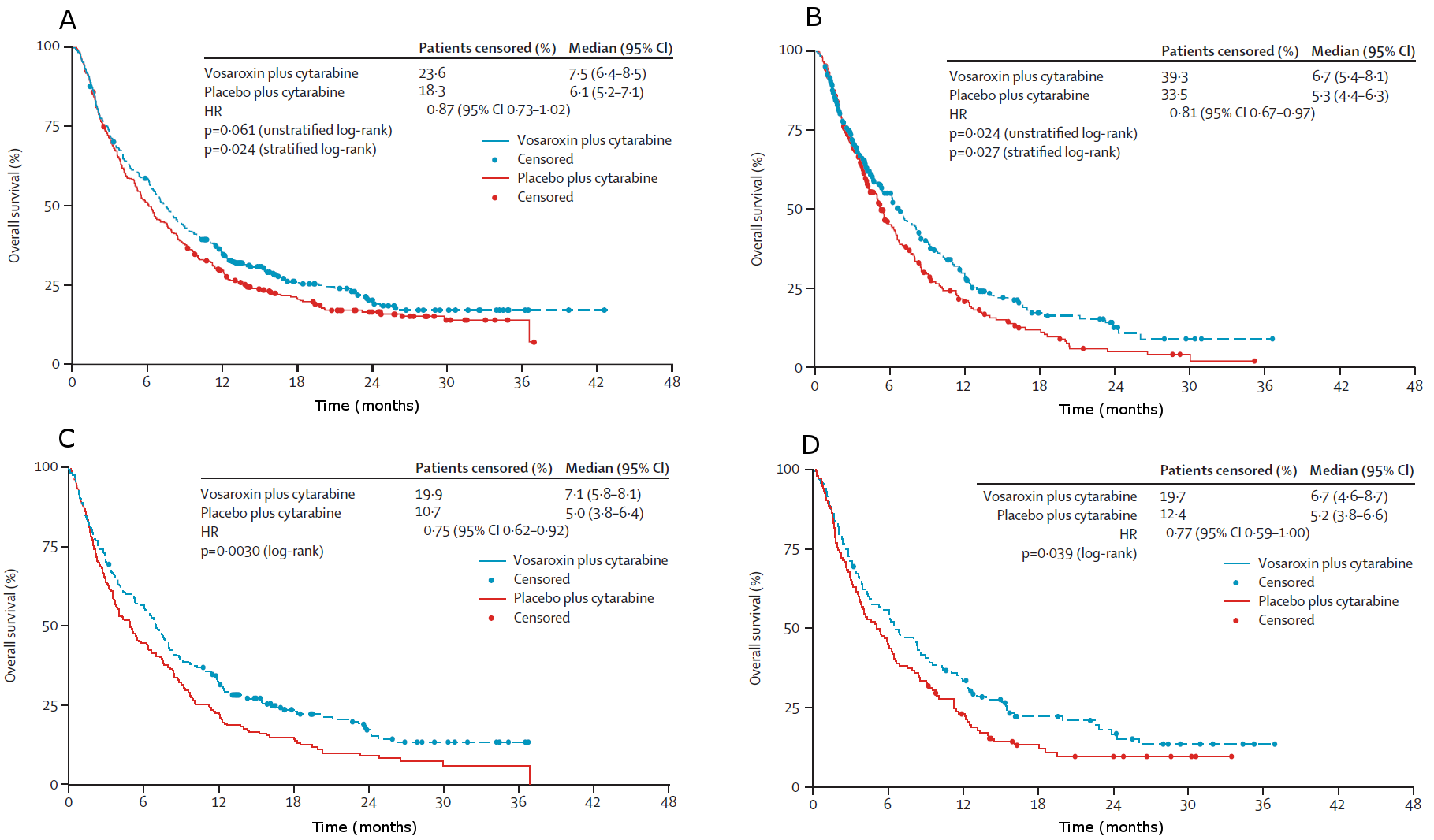
Exhibit 3: Overall survival from VALOR trial |
|
|
Source: Modified from Ravandi F, Ritchie EK (2015) Lancet. 16(9), 1025-1036. Kaplan-Meyer curves of overall survival of patient from the VALOR clinical trial. A) All patients; B) Patients censored at stem cell transplant; C) Patients over 60; D) Patients with a previous early relapse. |
The median overall survival (OS) in the Qinprezo plus cytarabine arm was 7.5 months compared to 6.1 months in the placebo plus cytarabine (HR 0.87, 95% CI 0.73-1.02, unstratified log-rank p=0.061), missing the trial’s primary endpoint. However, when the data was adjusted for the effects of the randomization criteria (age, prior treatments, etc) via a stratified log-rank analysis, the study achieved p=0.024, suggesting differential activity depending on these variables. A series of pre-specified analyses shed some light on which of these stratifications are indicative of a clinical response. Patients censored on HSCT (n=711, OS benefit=1.4 months, HR=0.81, p=0.024, 30% and 29% of patients received HSCT in active and placebo arms) and patients over 60 (n=320, OS benefit=2.1 months, HR=0.75, p=0.003) showed an increased treatment effect compared to the trial overall. Additionally, patients with an early previous relapse (90 days to one year after initiating their front-line treatment) were more responsive to Qinprezo (n=256, OS benefit=1.5, HR=0.77, p=0.039), whereas there was no difference in survival in patients with long previous remissions (p=0.96) or refractory patients (p=0.23).
Each of the subgroups that showed efficacy (advanced age, inappropriate for stem cell transplant, aggressive disease) are classes with poor initial prognoses. There are several potential explanations for why poor prognosis is correlated with an improved clinical effect. First, it is possible that younger and more fit patients were able to have more aggressive subsequent therapy following Qinprezo treatment including HSCT. The effect of subsequent therapies has consistently been a confounding factor in AML trials. The treatment effect of these therapies can begin to occlude that of the experimental drug with longer survival times and interject variability due to different treatments.
An alternative explanation is that the treatment effect in healthier populations is occluded by adverse reactions to the drug because they are alive longer to experience these reactions or their treatment effect is smaller. Serious adverse events (SAEs) were significantly higher in the Qinprezo arm of the trial (33% compared to 17% on placebo) as were deaths attributed to SAEs (14% vs 7%). However, the majority of these deaths (96% in both arms) occurred in the first 60 days, suggesting the longevity of the patients might not be in play. It should be noted, however, that organ damage, including cardiotoxicity, was not observed in the trial.
Despite the admittedly modest improvements in survival in this study, Qinprezo was demonstrably effective at inducing remissions. Approximately twice as many patients in the study achieved a CR (30% vs 16%, p<0.0001), and this was true across virtually every single subgroup that was examined.
Exhibit 4: Complete remission rates from VALOR study
CR |
Combined CR CR/CRp/CRi* |
||||||||
Qinprezo + cytarabine |
Placebo + cytarabine |
Difference |
p value |
Qinprezo + cytarabine |
Placebo + cytarabine |
Difference |
p value |
||
Overall |
30% |
16% |
14% |
<0.0001 |
37% |
19% |
18% |
<0.0001 |
|
By age years |
<60 |
27% |
21% |
6% |
0.24 |
35% |
23% |
12% |
0.04 |
≥60 |
32% |
14% |
18% |
<0.0001 |
38% |
16% |
22% |
<0.0001 |
|
By disease status |
Early relapse |
28% |
12% |
15% |
0.0024 |
35% |
16% |
19% |
0.0004 |
Late relapse |
53% |
34% |
19% |
0.015 |
60% |
36% |
23% |
0.0037 |
|
Refractory |
20% |
11% |
10% |
0.021 |
28% |
12% |
16% |
0.0007 |
|
By region |
USA |
28% |
14% |
13% |
0.0032 |
35% |
17% |
18% |
0.0002 |
Outside USA |
32% |
18% |
14% |
0.0014 |
38% |
20% |
19% |
<0.0001 |
|
Source: Ravandi F, Ritchie EK, Lancet Oncol. 2015 Sep;16(9):1025-36. Note: *Includes CR with incomplete platelet recovery (CRp) and CR with incomplete marrow recovery (CRi).
Can Qinprezo get approved?
Sunesis announced in July 2015 after speaking with the FDA and presenting its analysis of the VALOR data that the agency had guided against submitting a new drug application for Qinprezo until the company had gathered additional clinical efficacy data. This is consistent with the agency’s strict stance with respect to novel AML treatments. Demonstrating efficacy to the standards of the FDA has been difficult in AML trials due to a host of issues. Because the prognosis is poor, patients may require multiple treatments beside the study drug during the course of a trial, clouding the clinical effect. Additionally, the agents that have been studied are generally significantly toxic, and improvements in disease status are often overshadowed by treatment related adverse events and low tolerability. As a result, there has only been a single approval for AML in the US in the past 20 years (Mylotarg), which was subsequently pulled from the market due to lack of treatment effect and toxicity. The company may be able to seek approval in the US following additional clinical trials. Sunesis has already stated its intention to target front-line AML and there are three ongoing investigator-sponsored trials in front-line patients that could be used to inform future pivotal trial designs (Exhibit 5). Based on this guidance we have included as part of our model that the company will perform the necessary trials to seek US approval (for front-line therapy of intermediate- and high-risk patients over 60, and relapsed and refractory patients over 60).
Exhibit 5: Investigator sponsored trials of front-line AML
Description |
Trial no. |
Stage |
Sponsor |
Target date |
Qinprezo and cytarabine in untreated AML |
Phase II |
Vanderbilt-Ingram Cancer Center |
January 2019 |
|
Qinprezo and cytarabine in untreated AML over 60 years old |
Phase I |
Indiana University School of Medicine |
May 2017 |
|
Qinprezo and Dacogen in AML and high risk MDS |
Phase I/II |
MD Anderson Cancer Center |
July 2018 |
Source: Clinicaltrials.gov
The regulatory environment in the EU is substantially different from the US, however, and during similar meetings with the EMA, Sunesis was encouraged to submit a marketing application for the use of Qinprezo in relapsed and refractory patients over 60. This is indicative of a different stance at the EMA with regards to AML, as it has historically been more pragmatic when considering applications for this and other indications where few treatment options exist. Two treatments for AML have been approved in Europe: Vidaza (Celgene) and Dacogen (Otsuka, Janssen). Both of these drugs were rejected by the FDA for AML but subsequently approved in Europe for very specific indications where there were indications of efficacy (Exhibit 6).
Exhibit 6: Europe AML treatment comparison
OS (months) |
HR |
p value* |
Description |
||
Treatment |
Control |
||||
Vidaza |
10.4 |
6.5 |
0.85 |
0.101 |
Newly diagnosed patients, >65, >30% bone marrow blasts or 20-30% blasts with multilineage dysplasia |
Dacogen |
7.7 |
5.0 |
0.82 |
0.108 |
Newly diagnosed patients, >65, intermediate or unfavorable cytogenetics |
Qinprezo** |
7.1 |
5.0 |
0.75 |
0.003 |
Relapsed/Refractory, >60, all cytologies |
Source: Celgene, Eisai, Sunesis. Note: *Stratified log-rank. **Subset of VALOR suggested for approval by MAA.
The subset of the VALOR trial (patients over 60) that the EMA asked Sunesis to submit for approval has a substantially lower p value than the clinical trials that led to the approval of Vidaza and Dacogen, and we believe this positions the drug well for approval. Moreover, Sunesis will be seeking approval for relapsed and refractory AML, which will differentiate the drug from the two other treatments.
|
Exhibit 7: Vidaza overall survival |
Exhibit 8: Dacogen overall survival |
|
|
|
Source: Vidaza EMA public assessment report |
Source: Dacogen EMA public assessment report |
|
Exhibit 7: Vidaza overall survival |
|
|
Source: Vidaza EMA public assessment report |
|
Exhibit 8: Dacogen overall survival |
|
|
Source: Dacogen EMA public assessment report |
The CHMP decision to approve Vidaza7 and Dacogen8 in both cases rested on analyses that corrected for confounding factors limiting the overall statistical significance of the studies. In both of the previous approvals, the CHMP cited analyses that took into account the subsequent therapies administered after the study drug. These studies were central to the approval of these drugs, because subsequent therapies are often the confounding factor that limits statistical significance in an AML study. Some of the VALOR data suggests that a similar analysis may be positive for Qinprezo (HSCT were an identified confounding factor, and treatment effect was weaker in healthier patients more fit for other therapies), but currently there is no direct read through whether such an analysis will be positive, or if the CHMP analysis will be made on the same basis. Despite this, we believe that the data from the VALOR trial compares favorably to that used in the previous approvals and EU approval is the most likely route to commercialization.
Vidaza EMA public assessment report, page 40.
Dacogen EMA public assessment report, page 64.
Because of the above factors, Sunesis has targeted EU approval of Qinprezo as its primary strategic goal. The company has submitted an MAA as of December 2015 and approval is expected as early as Q416 (although it could be delayed by up to a year if issues arise).
Competitive environment
It should be noted that although there are a small number of approved products for AML, this is an area of intense clinical development activity. There are currently no less than 109 ongoing clinical programs for AML, 12 of which are in Phase III (Exhibit 9). There are both a large number of drugs where AML is the primary indication and a large number of follow-on studies. The high degree of activity may lead to future approvals and market competition, but in the near term, there could be substantial competition for patients in clinical trials.
Of particular interest is the recent Phase III trial of Vyxeos (from Celator), a liposomal co-formulation of cytarabine and daunorubicin, the components of the 7+3 regimen. In March 2016, Celator released results demonstrating a 3.61-month improvement in survival (9.56 vs 5.95, HR=0.69, p=0.005) in a 309-patient trial comparing high-risk AML patients to 7+3. Currently the drug has only been tested in patients who have been deemed fit for 7+3, but the drug could reshape the treatment landscape if it is suitable for patients typically excluded from 7+3 or high-dose cytarabine treatment. The initial reports from the trial indicated a similar rate of adverse events to 7+3, but the increased efficacy may alter the risk-benefit calculation for marginal patients. This could limit the potential market for drugs like Qinprezo seeking approval specifically for these unfit patients.
Exhibit 9: Late-stage AML clinical programs
Company |
Drug |
Phase |
Method of Action |
Agios, Celgene |
AG-221 |
Phase III |
IDH2 inhibitor |
Astellas, Kotobuki |
Gilteritinib (ASP2215) |
Phase III |
AXL and FLT3 inhibitor |
Boehringer Ingelheim |
Volasertib (BI 6727) |
Phase III |
PLK1 inhibitor |
Celator |
Vyxeos (CPX-351) |
Phase III |
Liposomal formulation of cytarabine and daunorubicin |
Daiichi Sankyo |
Quizartinib (AC220) |
Phase III |
FLT3 inhibitor |
Daiichi Sankyo, Cyclacel |
Sapacitabine (CYC682) |
Phase III |
Nucleoside analogue |
Gamida Cell, Teva |
StemEx, carlecortemcel-l |
Phase II/III |
Expanded cord blood |
Janssen, Kura Oncology |
Tipifarnib (zarnestra, R115777) |
Phase III |
Farnesyl transferase inhibitor |
Novartis |
Midostaurin (CGP 41251, PKC412) |
Phase III |
FLT3 inhibitor |
Sanofi |
Clolar, Evoltra, (clofarabine) |
Phase III |
Nucleoside analogue |
Synta |
Ganetespib (sta-9090) |
Phase III |
Hsp90 Inhibitor |
Vernalis, CTI |
Tosedostat (CHR2797, chr-2797) |
Phase II/III |
Aminopeptidase inhibitor |
Source: Biocentury
Qinprezo for MDS
An alternative path to commercialization is the approval of Qinprezo for myelodysplastic syndrome (MDS). MDS is a condition that is similar in AML in terms of pathology, but there are fewer abnormal blood cells in the bone marrow. There are approximately 10,000 to 15,000 new cases diagnosed in the US every year and 60,000 people living with the disorder.9 Although the symptoms of MDS are milder, if it is not managed, it can progress to AML. Treatments for MDS tend to be less aggressive than AML, although some subclasses of MDS are considered high risk and are treated similarly.
Ma X, (2012) Epidemiology of myelodysplastic syndromes. Am. J. Med. 125(s7), s2-5.
There has been marginally better regulatory success with MDS and there are four approved drugs in the US, including both Vidaza and Dacogen. There are currently three ongoing clinical trials studying Qinprezo in MDS (Exhibit 10), the nearest-term readout being final data from the University of Washington Medical Center sponsored trial of Qinprezo in combination with Vidaza. The exploratory trial started in December 2013 and will enroll up to 60 patients. Data released from the dose escalation portion of the trial in December 2015 showed 10/16 patients experienced a CR or an incomplete CR (normal marrow, but levels of blood cells not completely recovered). This compares favorably to Vidaza alone, which had a 15% response rate. The trial is currently in the dose expansion phase, with topline data expected in 2017.
Exhibit 10: Investigator sponsored trials of MDS
Description |
Trial no. |
Stage |
Sponsor |
Target date |
Qinprezo and Vidaza in MDS |
Phase I |
Washington University School of Medicine |
December 2016 |
|
Qinprezo in Intermediate to High Risk MDS after HMA failure |
Phase I/II |
Weill-Cornell Medical College |
October 2018 |
|
Qinprezo and Dacogen in AML and High risk MDS* |
Phase I/II |
MD Anderson Cancer Center |
July 2018 |
Source: Clinicaltrials.gov, Note: *Additionally listed in Exhibit 5, front-line AML trials.
Intellectual property
Qinprezo has a number of protections that should ensure market exclusivity until the mid to late 2020s in the US and EU. The drug has an orphan designation from both the FDA and EMA, which would ensure seven and 10 years of market exclusivity respectively, but this is from the first approval, therefore potentially limiting the runway for potential follow-on indications such as front line treatment and MDS. The initial composition of matter patent for the drug expired in 2015, but method of use and formulation patents extend to 2027 in Europe and additional composition patents extend to 2030 in the US.
SNS-062
Sunesis is developing SNS-062 as a treatment for chronic lymphocytic leukemia (CLL), in particular for patients refractory to Imbruvica (ibrutinib). The treatment of B-cell malignancies has been an area of substantial investment and it has been transformed over the past decade by the development of new targeted drugs for these diseases. One of the greatest successes in this field was the development of Imbruvica by Pharmacyclics (acquired by AbbVie in May 2015, partnered with Janssen). The drug was approved in 2013 with accelerated approval following a three-year Phase III trial and it retails for approximately $130,000. Imbruvica substantially improved the standard of care for relapsed and refractory CLL by more than doubling the survival rate for these patients (HR=0.43 vs ofatumumab at 18 months). Imbruvica is also approved in mantle cell lymphoma (MCL) and Waldenström’s macroglobulinemia (WM). It had sales of over $1bn for 2015, and sales are expected to increase significantly with the March 2016 approval of a label expansion to front-line CLL treatment.
Imbruvica was the first marketed drug to target Bruton’s tyrosine kinase (BTK), a protein expressed in B-cells, and is important for their activation and maturation in response to antigen binding. When the antibody being expressed by a particular B-cell binds to a pathogen or foreign substance, this triggers the cell to continue expressing this antibody and multiply, such that sufficient antibodies are present to fight the invader. This pathway is frequently mutated in B-cell malignancies leading to the out-of-control proliferation of these cells. However, an interesting facet of BTK is that because it is present solely in leukocytes, it can be inhibited (or functionally absent as in the case of X-linked agammaglobulinemia) and patients are immune suppressed but otherwise phenotypically normal.
The development and treatment using Imbruvica is relatively recent and so the long-term effects on patients are still under investigation. As with other cancer therapies, certain patients are resistant to the drug and some develop resistance during the course of treatment. The precise mechanism of this resistance is an area of active investigation, and a recent report identified a particular mutation to BTK (cysteine-481 to serine) is frequently present in resistant individuals.10 This particular amino acid residue is critical because it forms an irreversible covalent bond with Imbruvica and is essential for the drug’s potency. It is the position at which Imbruvica forms a covalent bond to BTK, and its mutation dramatically impacts the potency of the drug (Exhibit 11).
JA Woyach, RR Furman (2014) Resistance mechanisms for the Bruton's tyrosine kinase inhibitor ibrutinib. NEJM. 370;24, 2286-94.
Exhibit 11: Comparison of Imbruvica and SNS-062 binding to wild type and mutant BTK
Kinase inhibition |
Inhibition of activated BTK formation |
|||||
IC50 (nM) |
BTK |
Mutant BTK |
Fold change |
BTK |
Mutant BTK |
Fold change |
Imbruvica |
0.58 |
25.2 |
43.4 |
0.016 |
25.5 |
>1,000 |
SNS-062 |
2.9 |
4.5 |
1.6 |
0.57 |
0.8 |
1.4 |
Source: Sunesis
Sunesis has developed a next-generation BTK inhibitor, SNS-062. Unlike Imbruvica, SNS-062 does not form a covalent bond with cysteine-481 of BTK, but retains significant binding affinity to both native and mutant forms of the enzyme. Moreover, it prevents the generation of activated BTK (auto-phosphorylated BTK, pBTK), in the presence of the mutant, whereas this effect is completely lost by Imbruvica. This positions SNS-062 as a potential treatment for Imbruvica resistant forms of the disease. Approximately 25% of relapsed and refractory patients treated with Imbruvica progress on the drug at 26 months,11 and the most recent report suggests the cysteine-481 mutation is present in approximately 80% of these remissions (leaving 20% of Imbruvica patients appropriate for SNS-062).12 The company has an ongoing Phase I healthy volunteer study in Belgium and intends to file an IND and initiate a Phase I/II study of the drug later in 2016.
Byrd JC, et al. (2013) Targeting BTK with ibrutinib in relapsed chronic lymphocytic leukemia. N. Engl. J. Med. 369, 32-42.
Kami J. Maddocks, MD1; Amy S. Ruppert (2015) Etiology of Ibrutinib Therapy Discontinuation and Outcomes in Patients With Chronic Lymphocytic Leukemia. JAMA Oncol. 1(1): 80-87.
Market and competitive environment
Sales of Imbruvica were $754m for 2015 in the US. This represents a relatively low penetration of the 14,600 estimated new cases of CLL per year in part because the drug was only approved for relapsed and refractory CLL or those patients carrying the 17p chromosomal deletion. However, Janssen and AbbVie have received approval for a label extension to front-line CLL in March 2016, which should substantially increase the number of patients on the drug and consequently resistant patients. Additionally, patients who become resistant to Imbruvica during front-line treatment should be healthier and more fit to receive follow-up treatments.
Assuming that 20% of new CLL patients will develop a cysteine-481 mutation, this corresponds to a market of approximately $380m in the US per year that patients remain on the drug. At the moment, there is little insight into the number of years that patients would be treated with SNS-062. With the current standard of care, survival times are very short following Imbruvica resistance.12
There are at least eight other BTK inhibitors in clinical development. Seven of these inhibitors form covalent bonds to BTK similar to Imbruvica, and therefore are susceptible to the same cysteine-481 mutation that leads to Imbruvica resistance. The only potential competitor in the Imbruvica resistance space is TP-4207 from private development stage company Tolero Pharmaceuticals. In contrast, entrance of the other BTK inhibitors could drive an expansion of the market and therefore more resistant individuals. Because they share the same cysteine-481 dependent mechanism, they should induce the same resistance as Imbruvica. We expect the drugs composition of matter patent (9,029,359) to provide market exclusivity through the early 2030s (2034 in our model, based on a five-year Hatch-Waxman extension).
Exhibit 12: BTK inhibitors
Drug |
Company |
Status |
Lead indication |
Binding mode |
Imbruvica |
AbbVie |
Approved |
CLL, MCL, WM |
Covalent |
Spebrutinib |
Celgene |
Phase II |
Rheumatoid arthritis |
Covalent |
Acalabrutinib |
Acerta |
Phase I/II |
CLL |
Covalent |
BGB-3111 |
BeiGene |
Phase I |
B cell lymphoma |
Covalent |
HM71224 |
Hanmi |
Phase I |
Rheumatoid arthritis |
Covalent |
ONO-4059 |
Ono |
Phase I |
B cell lymphoma |
Covalent |
PRN1008 |
Principia |
Phase I |
Pemphigus vulgaris |
Covalent |
HCI-1401 |
LSK BioPharma |
Preclinical |
CLL |
Covalent |
SNS-062 |
Sunesis |
Preclinical |
CLL |
Non-covalent |
TP-4207 |
Tolero |
Preclinical |
CLL |
Non-covalent |
Source: Biocentury, Edison Investment Research
SNS-229
The receptor tyrosine kinase (RTK) signaling pathway has been central to the development of targeted cancer therapies for the past two decades. RTKs are a class of protein that respond to signals from growth factors and other signaling molecules, but mutations in this pathway can lead to a constitutive growth signal that is characteristic of cancer. Drugs have been developed targeting the receptor itself (for instance Herceptin targeting HER2), as well as the downstream effectors of RTKs in the so-called PI3K/AKT pathway, for instance PI3K (Zydelig) and mTOR (Torisel). The RTK pathway is central to the pathology of a wide array of different cancer types, as evidenced by the indications this class of drug has been approved for in both solid tumor and hematologic malignancies. One of the multiple downstream pathways from RTK is the PI3K/AKT pathway, which has been a topic of considerable development interest due to its role in promoting cancer cell survival and metastasis.
Sunesis has developed SNS-229 as an inhibitor of phosphoinositide dependent kinase 1 (PDK1), a previously unstudied target in the PI3K/AKT pathway. PDK1 is an effector of PI3K, and therefore it is reasonable to expect an efficacy profile similar to PI3K inhibitors like Zydelig. Because the RTK pathway is implicated in such a broad array of cancers, SNS-229 could potentially have many applications. However, the drug would be uniquely effective in malignancies where PI3K or PTEN is frequently mutated such as breast cancer (27% PI3K mutation frequency), or endometrial cancer (38% PTEN mutation frequency).13 In these cases a PDK inhibitor could potentially limit the effect of these mutations as it is the immediate downstream effector of these proteins. A potential risk to this program is opportunistic infections among patients, considering that inhibition of this pathway by Zydelig is associated with this risk.
COSMIC.
There are no other known PDK1 inhibitors in development. Sunesis is currently in preclinical studies, which should enable the company to file an IND by the end of 2016. The drug was initially developed in a collaboration with Biogen Idec, whose rights were acquired by Takeda. Sunesis will owe royalties and $9.2m in development milestones to Takeda for these rights. It is protected by composition of matter patent 8,778,977.
|
Exhibit 13: PI3K/AKT and Ras/Raf pathways |
|
|
Source: Edison Investment Research |
TAK-580
There has been substantial success recently developing and getting approval for inhibitors of the oncogene B-Raf. There are currently three B-Raf targeted medications approved in the US (Nexavar, Bayer, $1.01bn worldwide sales in 2015; Zelboraf, Roche, $220m; Tafinlar, Novartis, $453m) and at least four others in development. B-Raf is a very common oncogene that is mutated in 20% of cancers. When mutated it activates a pathway that triggers uncontrolled growth of cells.
However, a major limiting factor in the efficacy of B-Raf inhibitors is that they can have a detrimental effect when a mutation in the upstream signaling protein Ras is mutated. Cancers with a Ras mutation have a very similar phenotype to B-Raf mutations and activate the same pathway, but the signal is transduced through all three Raf isoforms (A-Raf, B-Raf, and C-Raf aka Raf1). The presence of a B-Raf inhibitor paradoxically enhances this response by encouraging the association of B-Raf with other isoforms. Because Ras mutations are exceptionally common in certain cancers (eg 34% of colon cancer, 57% of pancreatic cancer), the potential application for B-Raf inhibitors is limited to only certain cancer indications where paradoxical activation is not an issue.
TAK-580 was developed as a pan-Raf inhibitor by Sunesis and inhibits all Raf isoforms, therefore preventing the activation of the pathway even in the presence of Ras mutations. The drug was developed in collaboration with Biogen Idec and licensed to Takeda. It is currently in a Phase Ib/II trial as a monotherapy and in combination for the treatment of solid tumors, with an estimated completion date of June 2016. It is also in a Phase I dose expansion trial started in 2011 originally scheduled to conclude in December 2015, but the reason for the length of the trial and lack of results is currently uncertain. Eli Lilly is currently the only other major pharmaceutical company with a pan-Raf in clinical trials (Phase I). It is protected by composition of matter patent 8,802,657.
Sensitivities
Sunesis has a set of sensitivities indicative of its combination of a registration product and several products in early development. Although a European approval appears to be the path of least resistance for Qinprezo, there remains a significant amount of regulatory risk. The previous EMA approvals of Vidaza and Dacogen were for front-line treatment of AML, whereas Qinprezo will be seeking approval for relapsed and refractory AML, which no drug has been approved for. Taking these factors into consideration, we have assigned a 60% probability of approval by the EMA rather than a typical 80-90% probability for a compound at this stage. Also, if Qinprezo is approved by European authorities, there remains substantial commercial risk. A large factor in the commercial success of Qinprezo will be the ability of Sunesis to find an equitable European partner. Sunesis owes royalties to both RPI Finance Trust (6.75%) and Sumitomo Dainippon (undisclosed, assumed at 3% for our forecasts) on Qinprezo limiting its profit potential even in the event of a successful launch. Additionally, there has never been an approved product for relapsed and refractory AML, and the market is untested. Doctors may elect to move to palliative care due to the exceptionally poor prognosis of these patients. An expansion to front-line AML or a second attempt at US approval will require additional clinical studies with the associated expense in capital and time. The time to capitalize on a front-line indication in Europe is limited because the orphan exclusivity will start with a relapsed/refractory approval (and the composition of matter patent has expired). We have assigned a 40% probability of approval in the EU for front-line therapy, and 30% and 20% probability of approval in the US for relapsed/refractory and front-line therapy following additional trials with a total clinical cost of $24m in our models.
The remainder of the Sunesis pipeline is very early stage, and carries the associated clinical risk. We see the greatest profit potential for SNS-062 because it is wholly owned by Sunesis, it is based on a mechanism with established efficacy, and it is substantially differentiated from competitors. However, even with the established mechanism of action, we predict a 10% probability of approval considering the exceptionally low success rate for development of small molecule targeted oncology drugs and the lack of efficacy data in humans. Moreover, there is a high degree of uncertainty surrounding the market of Imbruvica refractory patients, considering the eventual size of this population is largely unknown at this point. Additionally, the survival for these patients is typically measured in months, presenting issues initiating them on a new therapy. The TAK-580 and SNS-229 programs, while principled in design are largely untested, and we assign probabilities of approval of 15 and 5% respectively.
The spending associated with these development programs carries a substantial financial risk. The company is currently burning over $40m per year, half of which is due to SG&A expenses, and high for a non-commercial company. We predict that the company will become cash flow positive in 2021. This factors in a 30% royalty on Qinprezo in Europe and pricing based on Vidaza as well as milestones on Qinprezo and TAK-580. We predict that the company will need to seek $95m in additional funding, which presents a substantial dilution risk at current valuations. These costs could be at least partially offset with additional licensing agreements for SNS-062 and SNS-229, but this would have a substantial impact on our revenue predictions and valuation for these assets.
Valuation
Using a risk-adjusted NPV model, we value Sunesis at $150.1m or $1.74 per basic share ($1.41 per diluted share). We have assumed that the company will seek a partner or partners for commercialization of Qinprezo in Europe and the US, in which Sunesis will remain responsible for future development activities needed for US approval and label expansions to frontline AML and MDS. We have modelled a total of $24m in clinical trial costs for AML and $18m for MDS. In exchange we have included an expected royalty of 30% of net sales and a total of $160m in milestones spread between the different indications and territories ($20m upfront, $10m per approval per indication, $80 in sales based milestones). We have estimated a royalty for TAK-580 of 15% and $57.5m in development milestones, as reported by the company. We expect the royalty streams from Qinprezo to be able to support the internal commercialization of SNS-062 and SNS-229 in 2022. This timeline is based on other accelerated approval timelines (for instance Imbruvica was approved following a single three-year Phase III). We have assumed initial commercialization of TAK-580 and SNS-229 in melanoma and breast cancer respectively. The probability of success for each clinical asset is predicted based on Edison research principles, and an analysis of the underlying asset. In all cases, our valuations of individual assets include associated costs (R&D, SG&A). Additional costs that are shared or not attached to an individual program are risk adjusted and recorded as “unallocated costs.” These costs include general and administrative expenses, changes in working capital, and research activities not attached to individual programs. We expect our valuation to change significantly with further EMA and FDA feedback on Qinprezo to reflect the probability of approval in these regions. Additionally, we expect to adjust our valuation as we learn more about the details of future trials for SNS-062 and SNS-229.
Exhibit 14: Valuation of Sunesis
Development Program |
Clinical stage |
Expected Commercialization |
Prob. of success |
Launch year |
Launch Pricing ($, WAC) |
Peak sales ($m) |
Patent/ Exclusivity Protection |
Royalty/ Margin |
rNPV ($m) |
||
Qinprezo, Rel/Ref AML EU |
MAA submitted |
Partnered |
60% |
2017 |
53,000 |
190 |
2027 |
30% |
$57 |
||
Qinprezo, Frontline AML EU |
Phase III |
Partnered |
40% |
2021 |
57,000 |
220 |
2027 |
30% |
$20 |
||
Qinprezo, MDS EU |
Phase I/II |
Partnered |
30% |
2021 |
57,000 |
152 |
2027 |
30% |
$8 |
||
Qinprezo, Rel/Ref AML US |
Phase III |
Partnered |
30% |
2021 |
82,000 |
175 |
2028 |
30% |
$11 |
||
Qinprezo, Frontline AML US |
Phase III |
Partnered |
20% |
2021 |
82,000 |
269 |
2028 |
30% |
$12 |
||
Qinprezo, MDS US |
Phase I/II |
Partnered |
25% |
2021 |
82,000 |
174 |
2028 |
30% |
$9 |
||
TAK-580 |
Phase Ib |
Licensed to Takeda |
15% |
2021 |
138,000 |
727 |
2032 |
15% |
$21 |
||
SNS-062 |
Preclinical |
Proprietary |
10% |
2022 |
152,000 |
605 |
2034 |
45% |
$36 |
||
SNS-229 |
Preclinical |
Proprietary |
5% |
2022 |
101,000 |
320 |
2031 |
44% |
$5 |
||
Unallocated costs (discovery programs, administrative costs, etc.) |
($69) |
||||||||||
Total |
|
|
|
|
|
|
|
|
$112 |
||
Net cash and equivalents (Q415) ($m) |
$38.6 |
||||||||||
Total firm value ($m) |
$150.1 |
||||||||||
Total basic shares (m) |
86.5 |
||||||||||
Value per basic share ($) |
$1.74 |
||||||||||
Convertible Pref stock (m) |
20.2 |
||||||||||
Total diluted shares |
106.7 |
||||||||||
Value per diluted share |
$1.41 |
||||||||||
Source: Edison Investment Research, company reports
Financials
Sunesis reported a loss of $36.7m for 2015 and ended the year with $46.4m in cash, following a $25m equity offering in December 2015 at $0.84 per share with an additional $18.6m in proceeds from the sale of equity from an at-the-market account in 2015. The company signed a $15m loan agreement in April 2016 (LIBOR+8.54%, 48 month term) with the stated aim of refinancing their existing $7.8m in debt and supporting operations to Q217. We currently model R&D spending to remain steady at $23m for 2016 and to increase in 2017 to $28m with advancement of the Qinprezo, SNS-062 and SNS-229 clinical programs. We forecast $14m in SG&A spending for 2016 and 2017 respectively, which is a $5m reduction from 2015 spending, based on guidance we have received from management. We forecast that the company will be cash flow positive in 2021 contingent on Qinprezo and TAK-580 milestones ($87.5m in our current model: $37.5m for TAK-580 approval, $50m in Qinprezo approval and sales milestones), but will require $95m in additional capital before these milestones are forecast in 2021. We have recorded financing as illustrative long-term debt in our model ($30m in 2017, $30m in 2018, and $35m in 2020), although if the company seeks financing on the equity markets, these raises could result in significant dilution. All of the above assumptions are contingent on the details of licensing agreements for Qinprezo and the company’s ability to source these agreements and achieve approval in Europe, as well as EMA approval.
Exhibit 15: Financial summary
$'000s |
2013 |
2014 |
2015 |
2016e |
2017e |
||
Year end 31 December |
US GAAP |
US GAAP |
US GAAP |
US GAAP |
US GAAP |
||
PROFIT & LOSS |
|||||||
Revenue |
|
|
7,956 |
5,734 |
3,061 |
2,441 |
1,697 |
Cost of Sales |
0 |
0 |
0 |
0 |
(3,353) |
||
Gross Profit |
7,956 |
5,734 |
3,061 |
2,441 |
(1,657) |
||
Research and development |
(28,891) |
(27,665) |
(23,701) |
(23,066) |
(27,513) |
||
Selling, general & administrative |
(10,838) |
(23,112) |
(18,662) |
(13,997) |
(14,416) |
||
EBITDA |
|
|
(31,701) |
(41,312) |
(35,764) |
(34,629) |
(43,594) |
Operating Profit (before GW and except.) |
(31,681) |
(41,283) |
(35,737) |
(34,621) |
(43,586) |
||
Intangible Amortisation |
0 |
0 |
0 |
0 |
0 |
||
Exceptionals/Other |
0 |
0 |
0 |
0 |
0 |
||
Operating Profit |
(31,681) |
(41,283) |
(35,737) |
(34,621) |
(43,586) |
||
Net Interest |
(2,917) |
(1,719) |
(939) |
(1,500) |
(4,500) |
||
Other (change in fair value of warrants) |
0 |
0 |
0 |
0 |
0 |
||
Profit Before Tax (norm) |
|
|
(34,598) |
(43,002) |
(36,676) |
(36,121) |
(48,086) |
Profit Before Tax (IFRS) |
|
|
(34,598) |
(43,002) |
(36,676) |
(36,121) |
(48,086) |
Tax |
0 |
0 |
0 |
0 |
0 |
||
Deferred tax |
0 |
0 |
0 |
0 |
0 |
||
Profit After Tax (norm) |
(34,598) |
(43,002) |
(36,676) |
(36,121) |
(48,086) |
||
Profit After Tax (IFRS) |
(34,598) |
(43,002) |
(36,676) |
(36,121) |
(48,086) |
||
Average Number of Shares Outstanding (m) |
52.2 |
60.1 |
72.9 |
76.2 |
79.9 |
||
EPS - normalized ($) |
|
|
(0.66) |
(0.72) |
(0.50) |
(0.47) |
(0.60) |
EPS - IFRS ($) |
|
|
(0.66) |
(0.72) |
(0.50) |
(0.47) |
(0.60) |
Dividend per share ($) |
0.0 |
0.0 |
0.0 |
0.0 |
0.0 |
||
BALANCE SHEET |
|||||||
Fixed Assets |
|
|
33 |
42 |
14 |
6 |
(2) |
Intangible Assets |
0 |
0 |
0 |
0 |
0 |
||
Tangible Assets |
23 |
42 |
14 |
6 |
(2) |
||
Other |
10 |
0 |
0 |
0 |
0 |
||
Current Assets |
|
|
40,492 |
44,204 |
46,988 |
19,818 |
9,672 |
Stocks |
0 |
0 |
0 |
0 |
0 |
||
Debtors |
0 |
0 |
0 |
0 |
0 |
||
Cash |
39,293 |
42,981 |
46,430 |
19,260 |
9,114 |
||
Other |
1,199 |
1,223 |
558 |
558 |
558 |
||
Current Liabilities |
|
|
(25,858) |
(19,395) |
(12,728) |
(2,131) |
(2,141) |
Creditors |
(16,840) |
(10,138) |
(4,894) |
(2,131) |
(2,141) |
||
Short term borrowings |
(9,018) |
(9,257) |
(7,834) |
0 |
0 |
||
Long Term Liabilities |
|
|
(12,737) |
(2,563) |
(610) |
(15,000) |
(45,000)* |
Long term borrowings |
(9,025) |
0 |
0 |
(15,000) |
(45,000) |
||
Other long term liabilities |
(3,712) |
(2,563) |
(610) |
0 |
0 |
||
Net Assets |
|
|
1,930 |
22,288 |
33,664 |
2,693 |
(37,471) |
CASH FLOW |
|||||||
Operating Cash Flow |
|
|
(37,423) |
(43,181) |
(38,731) |
(34,336) |
(40,146) |
Net Interest |
0 |
0 |
0 |
0 |
0 |
||
Tax |
0 |
0 |
0 |
0 |
0 |
||
Capex |
0 |
(48) |
0 |
0 |
0 |
||
Acquisitions/disposals |
0 |
0 |
0 |
0 |
0 |
||
Financing |
12,570 |
56,277 |
43,826 |
0 |
0 |
||
Dividends |
0 |
0 |
0 |
0 |
0 |
||
Other |
0 |
0 |
0 |
(1,499) |
0 |
||
Net Cash Flow |
(24,853) |
13,048 |
5,095 |
(35,835) |
(40,146) |
||
Opening net debt/(cash) |
|
|
(46,966) |
(21,250) |
(33,724) |
(38,596) |
(4,260) |
HP finance leases initiated |
0 |
0 |
0 |
0 |
0 |
||
Exchange rate movements |
0 |
0 |
0 |
0 |
0 |
||
Other |
(863) |
(574) |
(223) |
1,499 |
0 |
||
Closing net debt/(cash) |
|
|
(21,250) |
(33,724) |
(38,596) |
(4,260) |
35,886 |
Source: Edison Investment Research, company reports. Note: *Corresponds to the $15m debt agreement signed in April 2016 and $30m in illustrative debt.
|
|||||||||||||||||||||||||||||||||||||||||||||||
|
